
The Receipt for a Life Lived
Your photographs matter but not in the way you think.
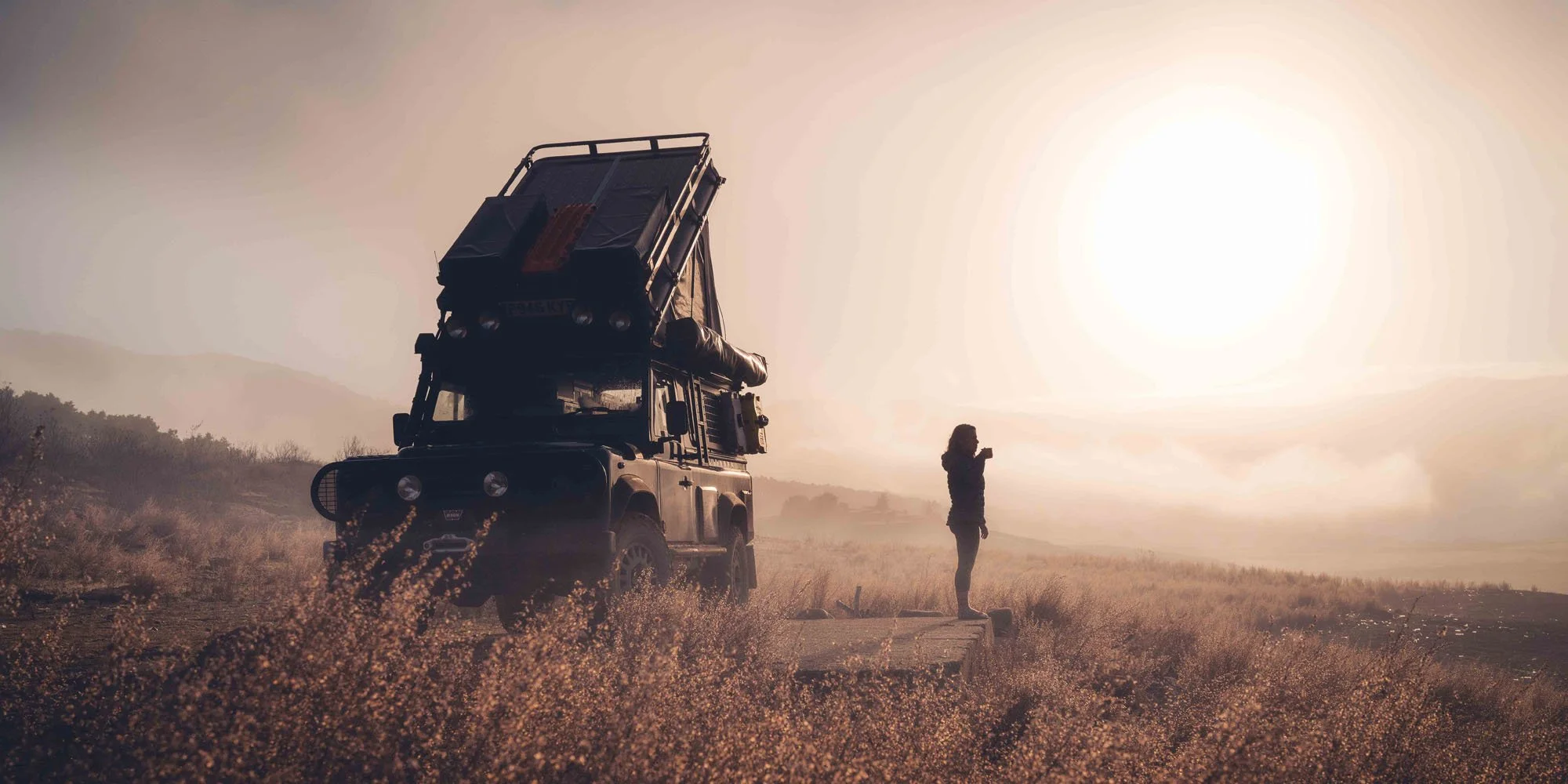
Somewhere!? Just enjoying a pretty epic morning coffee, Morocco
Your photographs probably don’t matter that much. And neither do mine.
The one that took home the ribbon at the local fair? It’s not going to change the world.
The one that made the cover of a magazine you’ve always admired? In two years, you’ll look back at it and see only the technical mistakes you wish you could fix.
The one that got a thousand likes on socials? It isn’t the one you’d run back into a burning house to save.
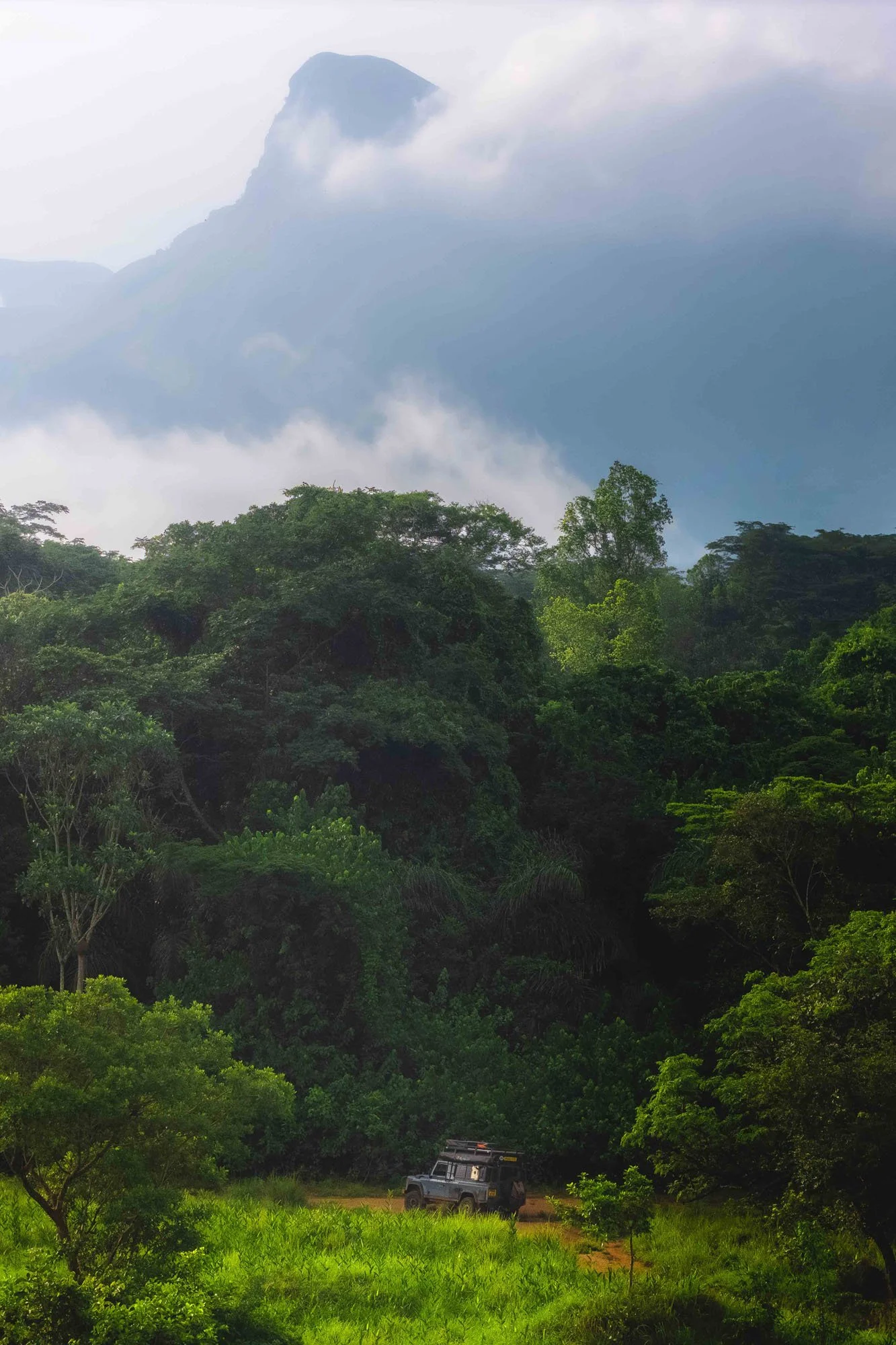
An adventure through the Highlands, Guinea
After photographing for twenty years and across more than 70 countries, I’ve realised that most of the images we go to such lengths to create—the money spent, the 4AM alarms, the miles of travel—they really don't matter in the grand scheme of things.
Eventually, you’ll flip past the greatest hits in your collection without a second glance.
And I’m here to tell you, this is the best news you’ll hear all year!
Because once you accept that the 'photograph' is secondary, you are finally free to experience the only thing that actually matters...
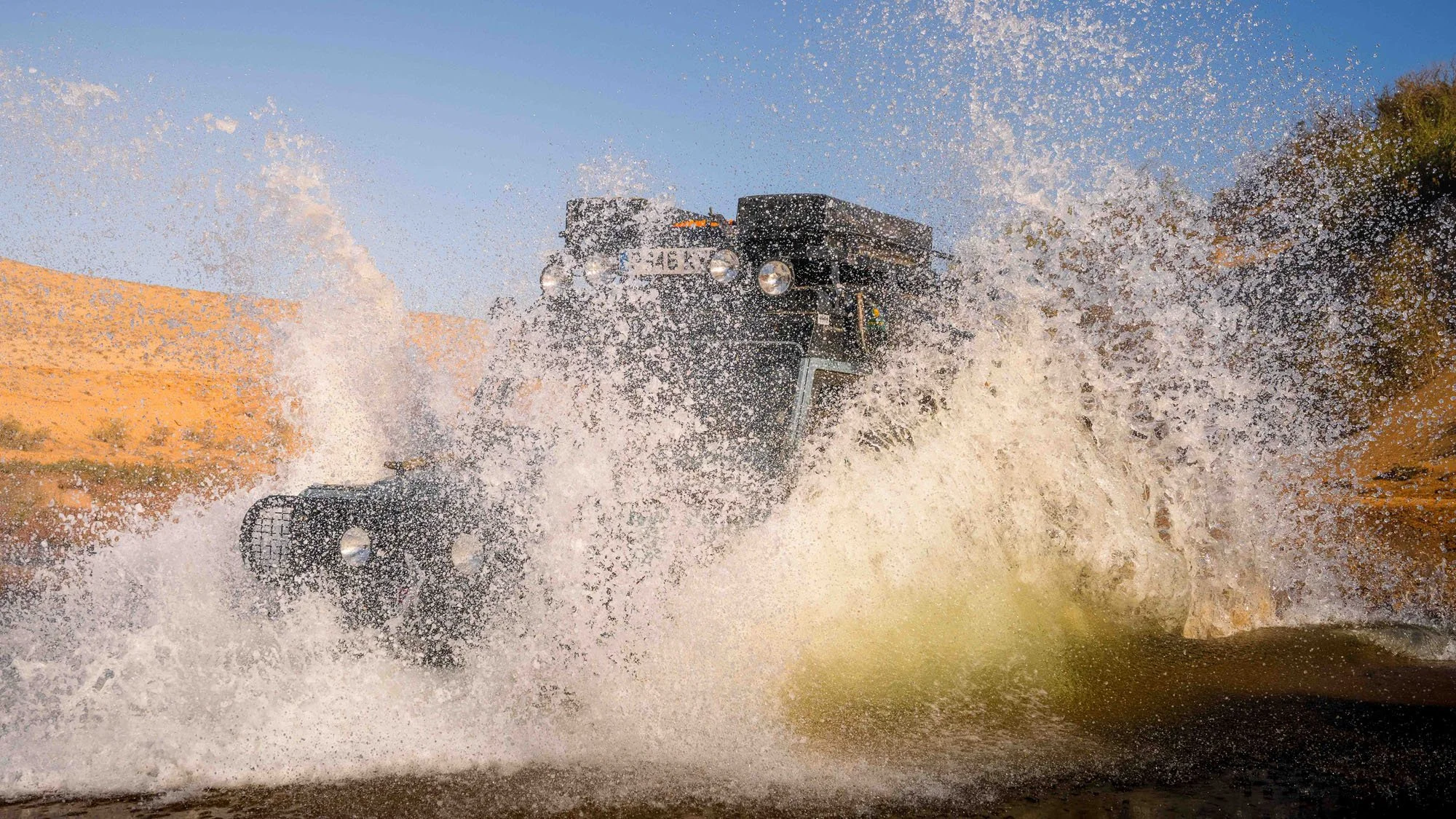
Crashing through the ‘dry’ riverbeds of the Western Sahara
The Problem
We are often so busy checking the histogram, worrying about sharpness or 'hunting for a story’ that we aren't actually present in the world we are recording.
In psychology, this is a form of cognitive decoupling—where our technician's brain replaces the observer's heart. When we look through a viewfinder only to 'get the result,' we separate our minds from the sensory richness of the moment.
We are recording a scene we aren't truly experiencing.
We think the 'next great shot' will provide lasting satisfaction, but the dopamine spike of a successful image is notoriously short-lived. It’s like a treadmill, as soon as we get the shot, we are already hungry for the next one, leaving the actual moment we lived in the dust.
Be more present in the moment. Capture the Signal In The Frame.
A practical blueprint to transform your photography.
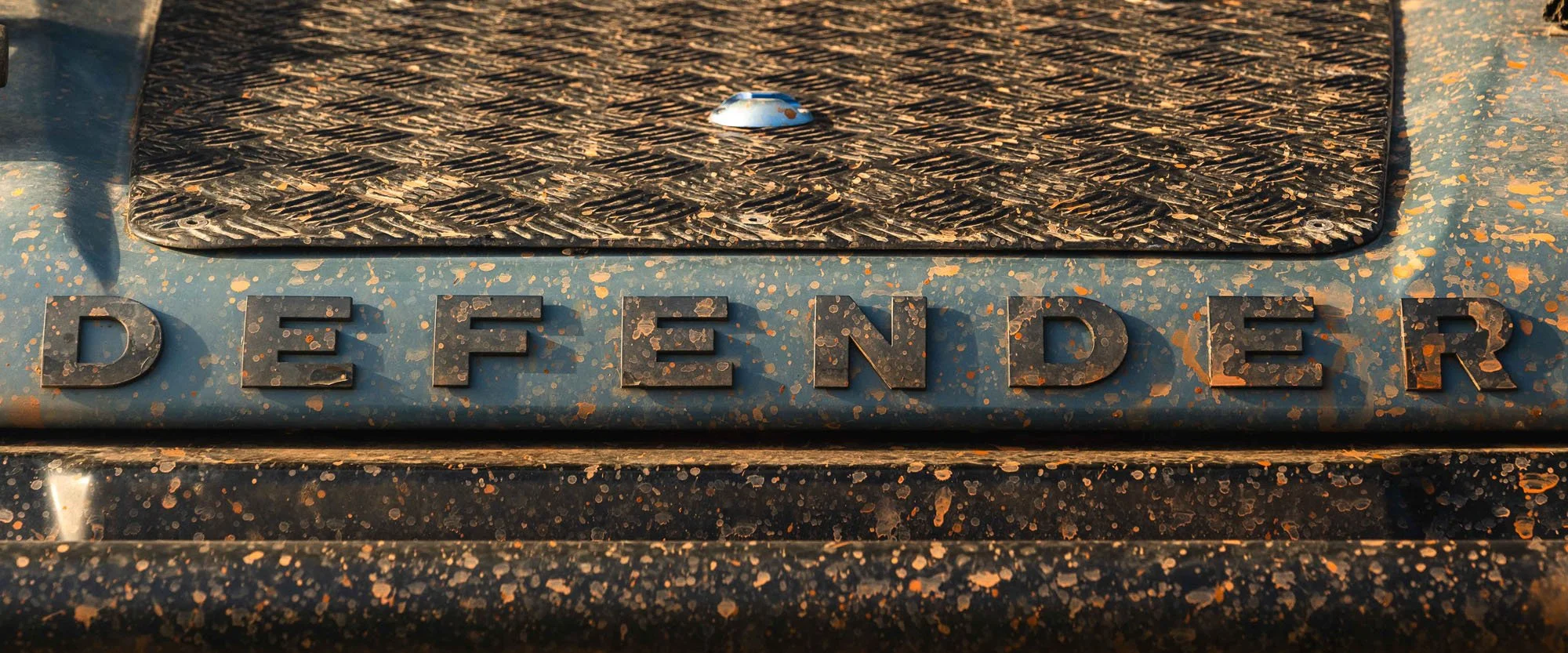
A very muddy ‘receipt’, Côte d'Ivoire
The Receipt
The truth is that a photograph is just a receipt.
The value of your work doesn’t really live on your hard drive or in those pixels on your screen. It lives inside you. The reason we spend hours behind the lens, baking in the heat of the desert or taking a journey across a country in search of the ‘perfect photograph’, isn’t really for the file—at least to me, it’s an excuse to experience the world more deeply.
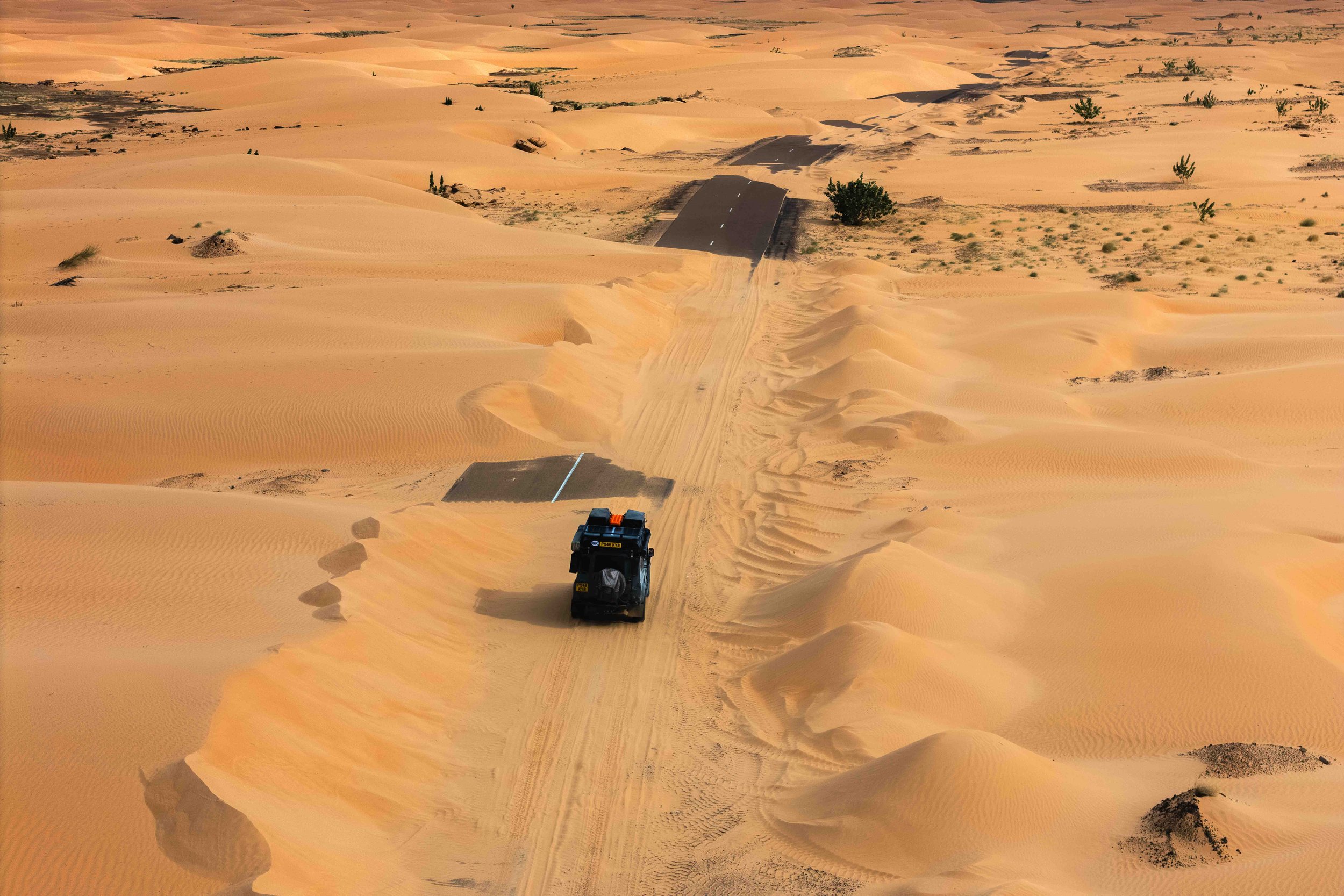
In search of the ‘receipt’ on the edges of the Sahara desert, Mauritania
Psychology shows that we value something more because it cost us something.
Effort.
Cold.
Risk.
Patience. It doesn’t matter what it is, as long as there is a cost.
The photo is simply the evidence that you paid the price to be there.
Nowadays, AI can generate the perfect image of whatever you want. The desert. The culture. The street scene you’ve always dreamt of. But where there’s no effort, there is no reward: no experience to look back on, no story about what it took to get that image.
And that friction. That is worth more than whatever you actually capture in the end.
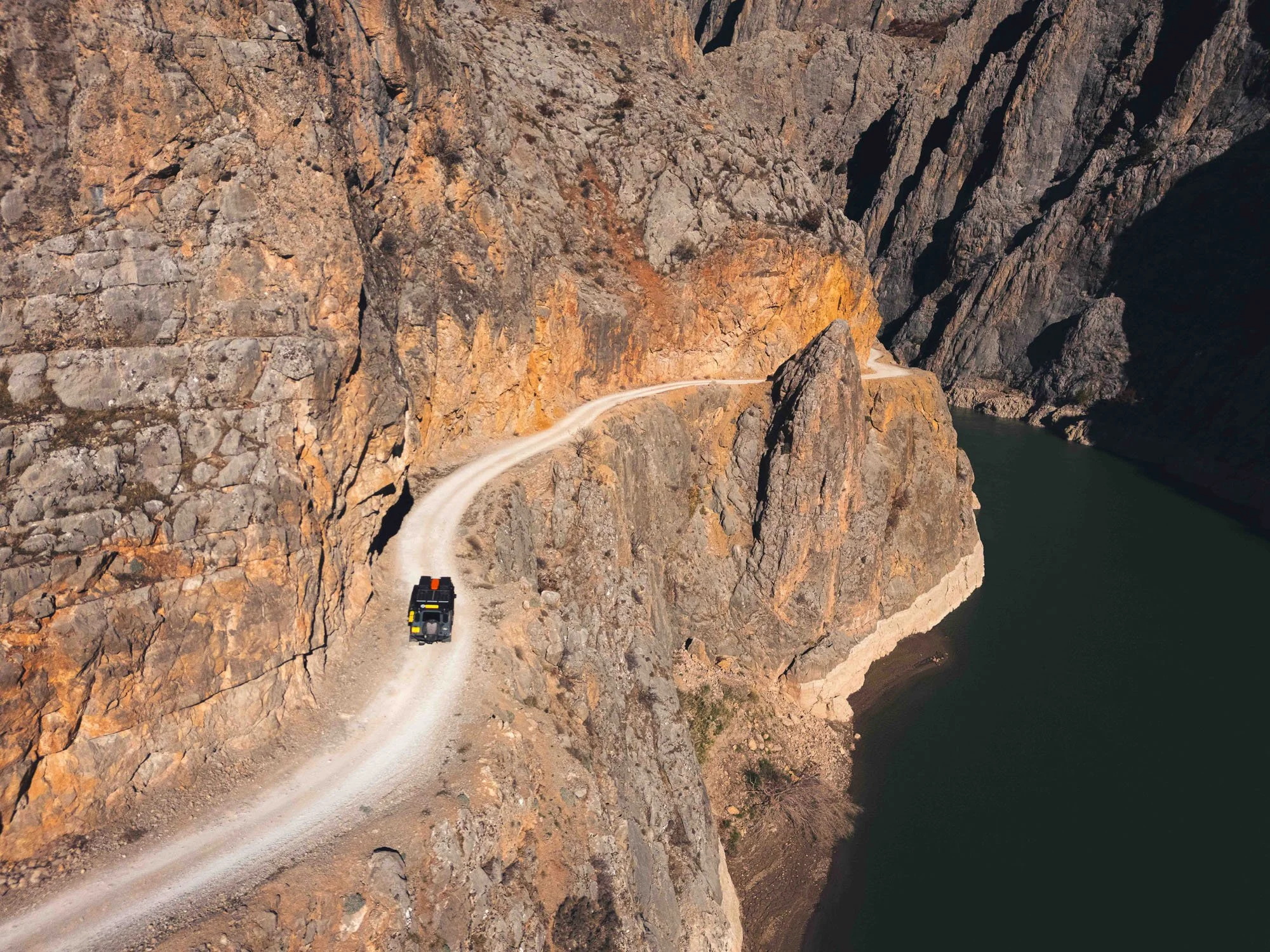
Skirting the edges of the land, Türkiye
The Freedom
When you realise your next photograph doesn't have to 'change the world' or justify your existence, your inner critic loses its voice. You are liberated from the pressure.
Ironically, when you stop caring if the photo is 'good,' your work usually becomes better. You start taking creative risks. You start looking for the 'whisper' instead of the 'shout.' You start listening to your intuition rather than what some algorithm is going to think.
You start having more fun.
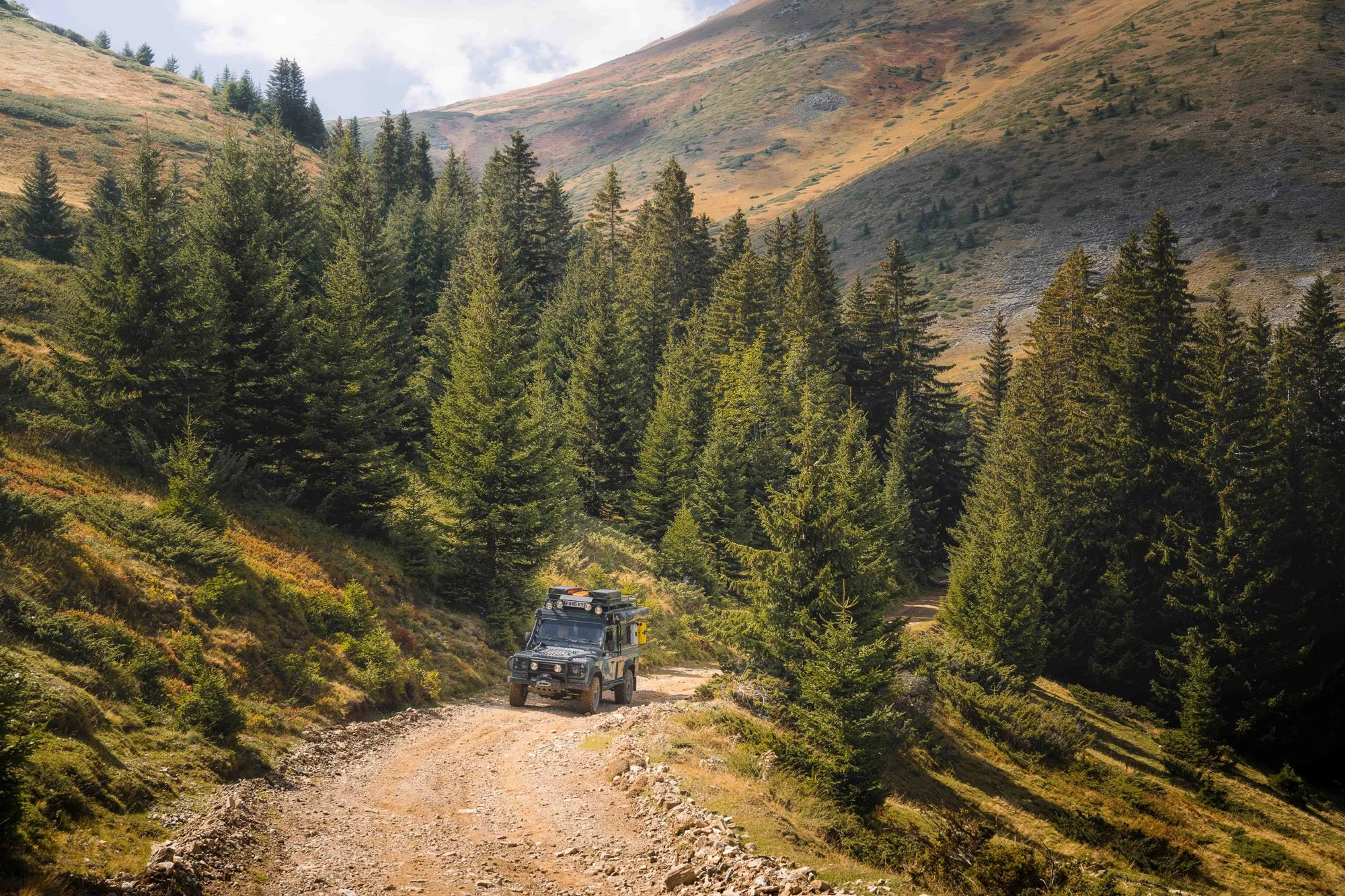
A journey through the mountains, Macedonia
The "So What"
Look at it this way. Your craft should not be about making pictures. It should be about the pictures making you.
Nowadays, the AI machine will make perfect pictures on demand. So much so, that I think the very act of raising the camera is ‘an act of defiance against a world that is trying to put me to sleep’. It is a commitment to be awake, to be curious, and to find joy in the little details that too many people are walking past. And that is important.
So the next time you head out with your camera, don't look for a masterpiece.
Stop checking your focus for a second.
Instead, check your pulse, lean into the friction of the experience and remind yourself why you are actually here. Why did you set that alarm, why did you travel so far, why are you standing in the p***ing rain… again? 😝
The photo is just the receipt; the life you lived to get it, that is the real art.
Cliff is a Visual Ethnographer using psychology to capture the unvarnished reality of the human condition. If you are ready to stop documenting what things look like and start capturing what they really mean, get the Signal in the Frame blueprint. Join the expedition on YouTube here.
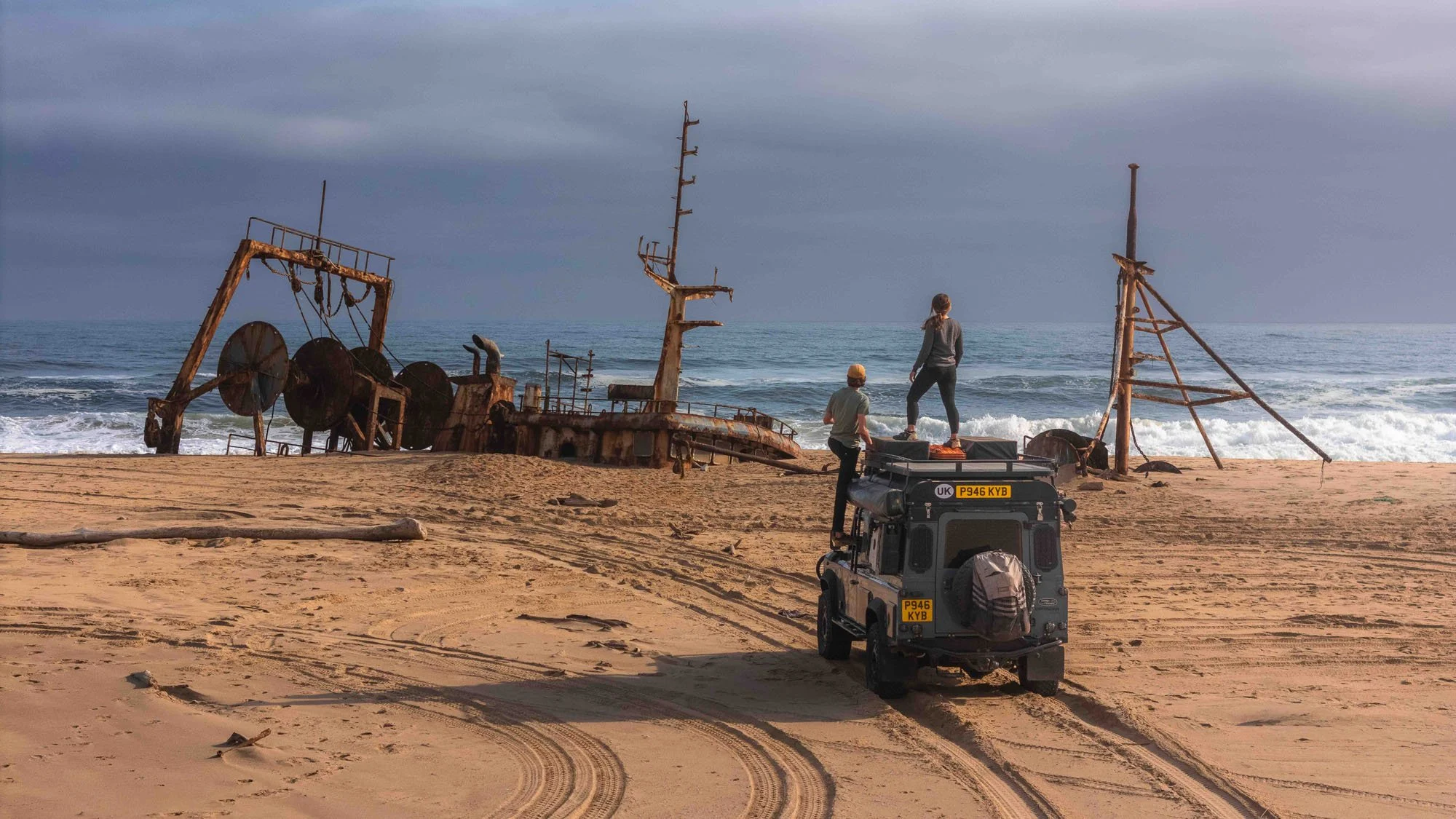
Unexpected discoveries, Angola