
You know how to photograph.
But how do you make people actually care?
You understand exposure, bought decent glass and nailed the composition.
Yet your shots feel flat, missing the moment because you’re not tapping into what moves people.
The Signal in the Frame trains you to spot the psychological cues people respond to, making your images impossible to ignore.
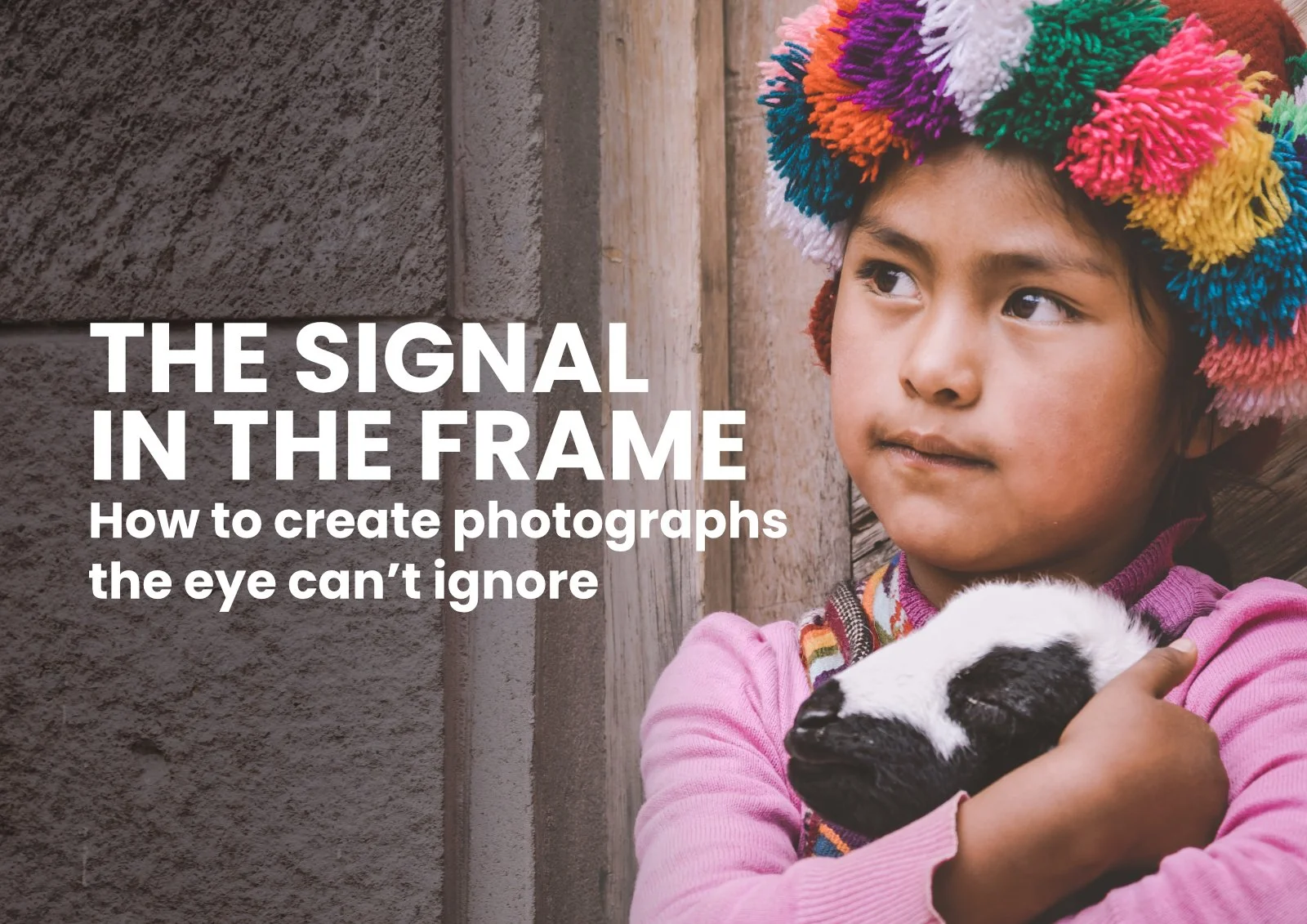
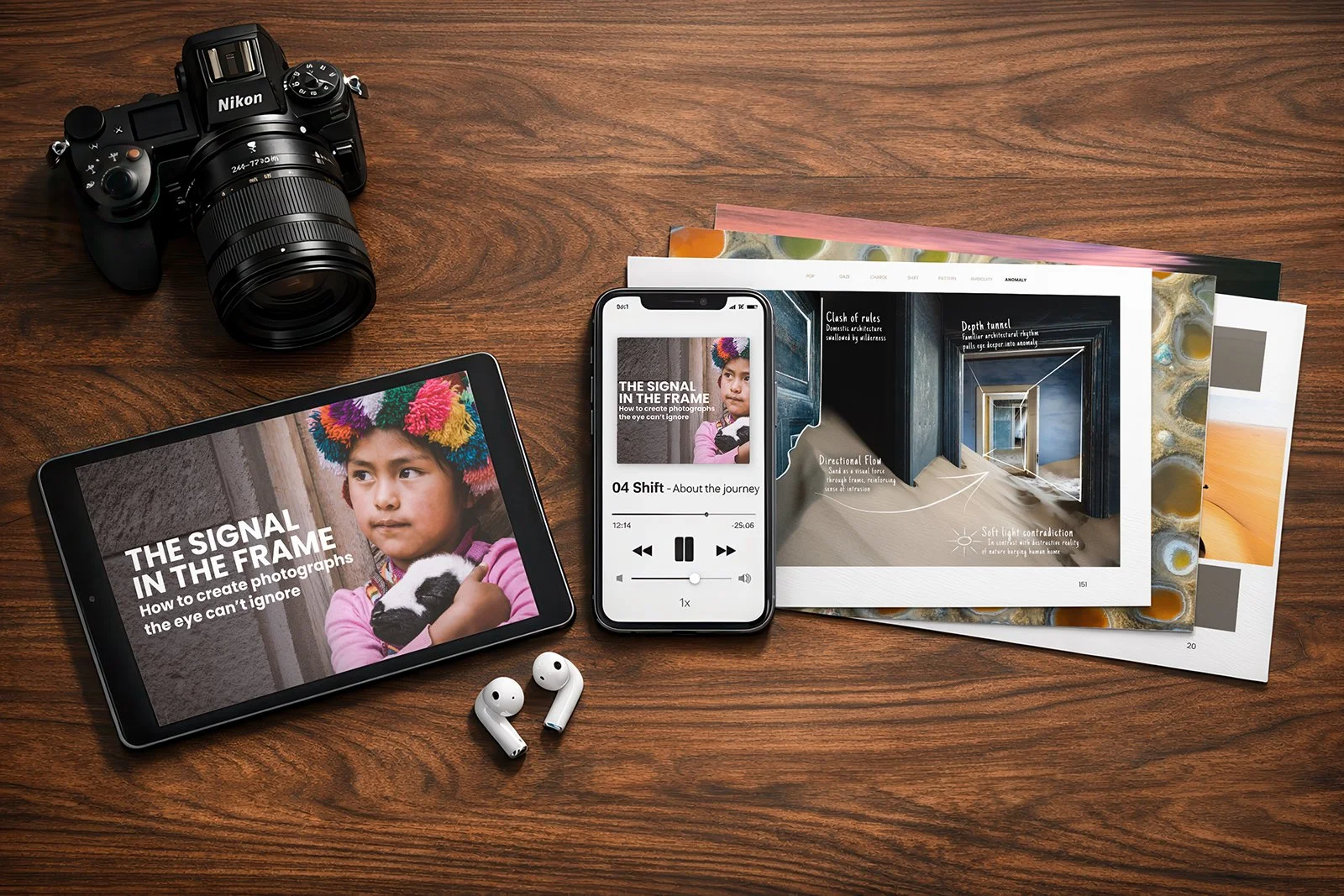
Stop relying on expensive gear and rigid composition rules to try and force meaning into your photographs. The Signal In The Frame is a complete cognitive operating manual - featuring a massive visual eBook and a private audio series - that permanently installs the 7 biological signals of human attention directly into your workflow.
The complete field companion.
Instant download. 166-page monograph, 28 field deconstructions, pocket cheat sheets, and 7-part audio companion.

From taking pictures to making people care
From hoping for luck
To creating impact anywhere.
You stop relying on dramatic golden hours, epic weather or exotic locations. When you understand how Signals work, an overcast street corner carries as much emotional weight as a mountain peak.
From abstract method
To science-backed system
Instead of vague advice - like ‘tell a story’ with your photography - you get a clear system rooted in how the brain actually processes visual breadcrumbs.
From technically good
To emotionally felt
Clean focus and perfect exposure only satisfy the camera sensor; they don’t move the human mind. By learning the Signals, your work shifts into something people feel in their gut.
From guessing in Lightroom
To ruthless selection & editing
You stop trying to rescue lifeless shots with trendy presets and you see immediately which photographs carry a clear Signal or are just noise.
The 7 Signals that turn looking into emotional engagement
This isn't another book about camera settings.
It is a masterclass in Visual Intelligence, backed by science.
By combining my expertise in psychology and decades of travel photography I have developed a practical framework for photographers.
Simply, 7 Signals that the brain can’t ignore. 7 Signals that underpin emotionally-powerful photography:
Pop: Controlling light and tone so the subject grabs the eye before conscious thought kicks in.
Gaze: Using direct connection, shared sightlines, and the averted look to pull curiosity beyond the edges of the frame.
Charge: Photographing physical strain, gravity, and stored energy you can actually feel in your gut.
Shift: Freezing action right before it resolves—leaving the brain's prediction engine desperate to know what happens next.
Pattern: Sorting environmental clutter into clean visual rhythms that let the eye travel without getting snagged.
Ambiguity: The craft of holding back—leaving just enough unsaid that the viewer is compelled to lean in and finish the picture.
Anomaly: Breaking the pattern. Dropping in visual friction to wake the brain from autopilot.

Designed by a photographer for photographers.
Psychological Framework
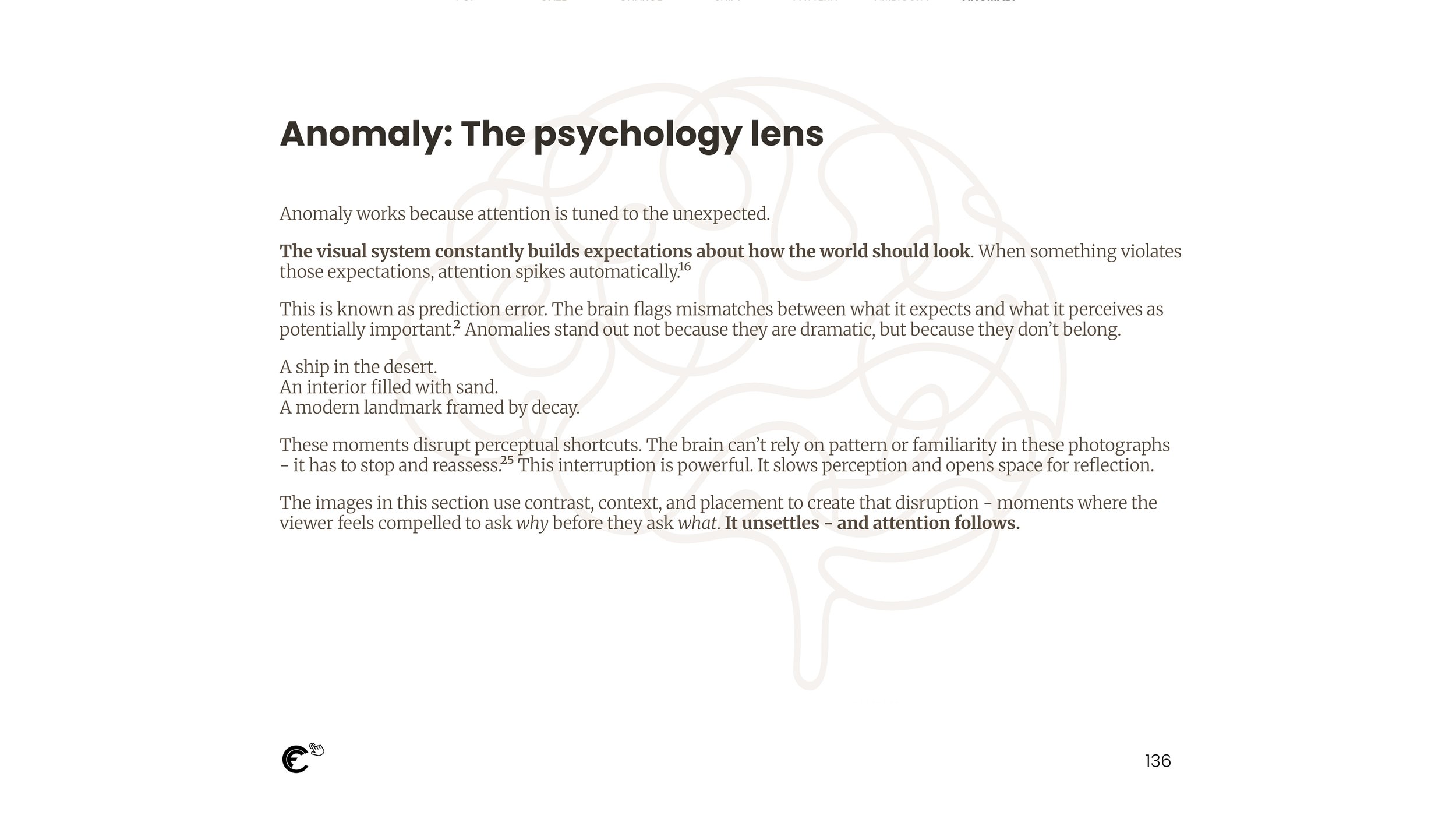
A step-by-step unpicking of how human psychology drives photographic impact
28 Image Deconstructions
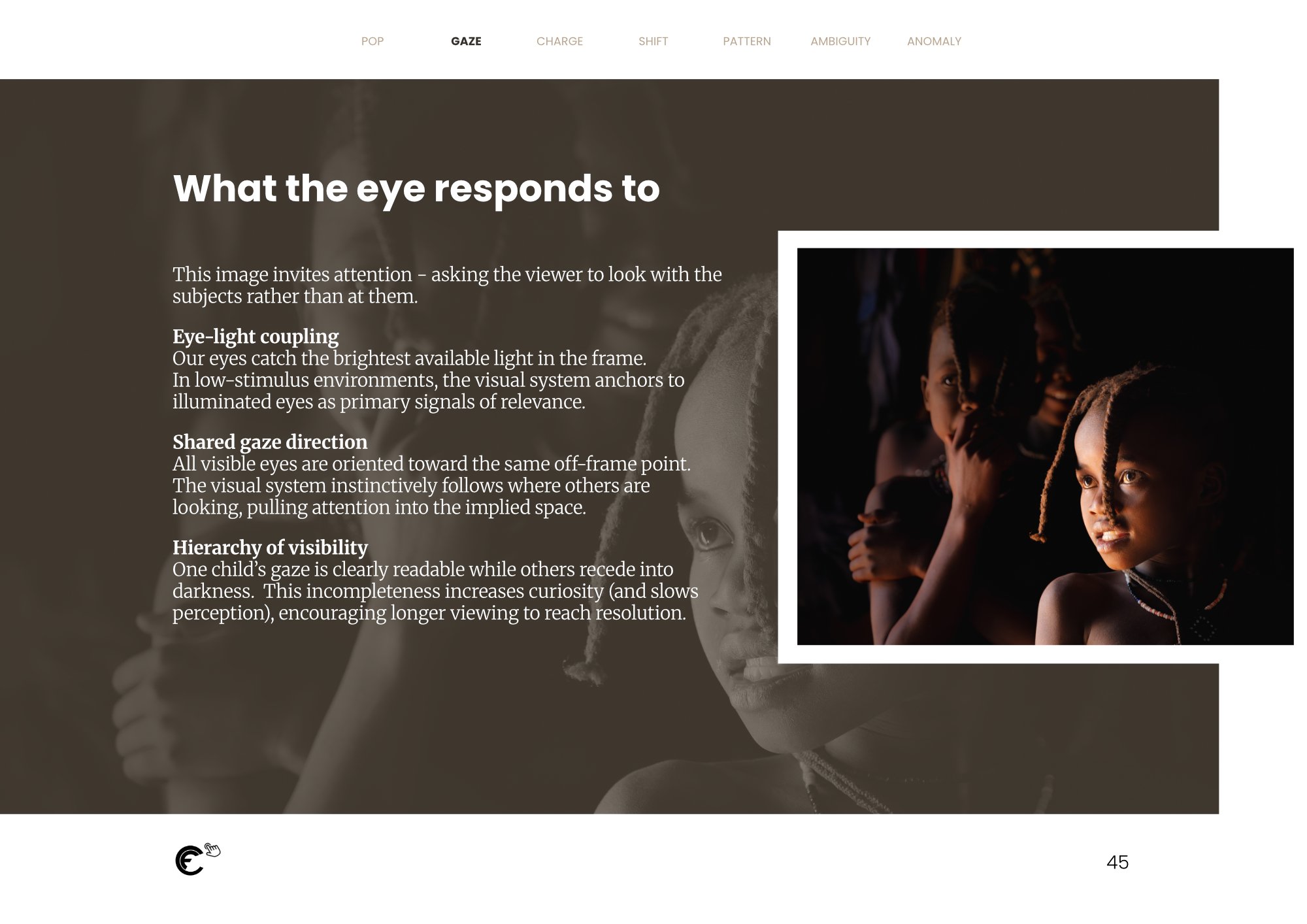
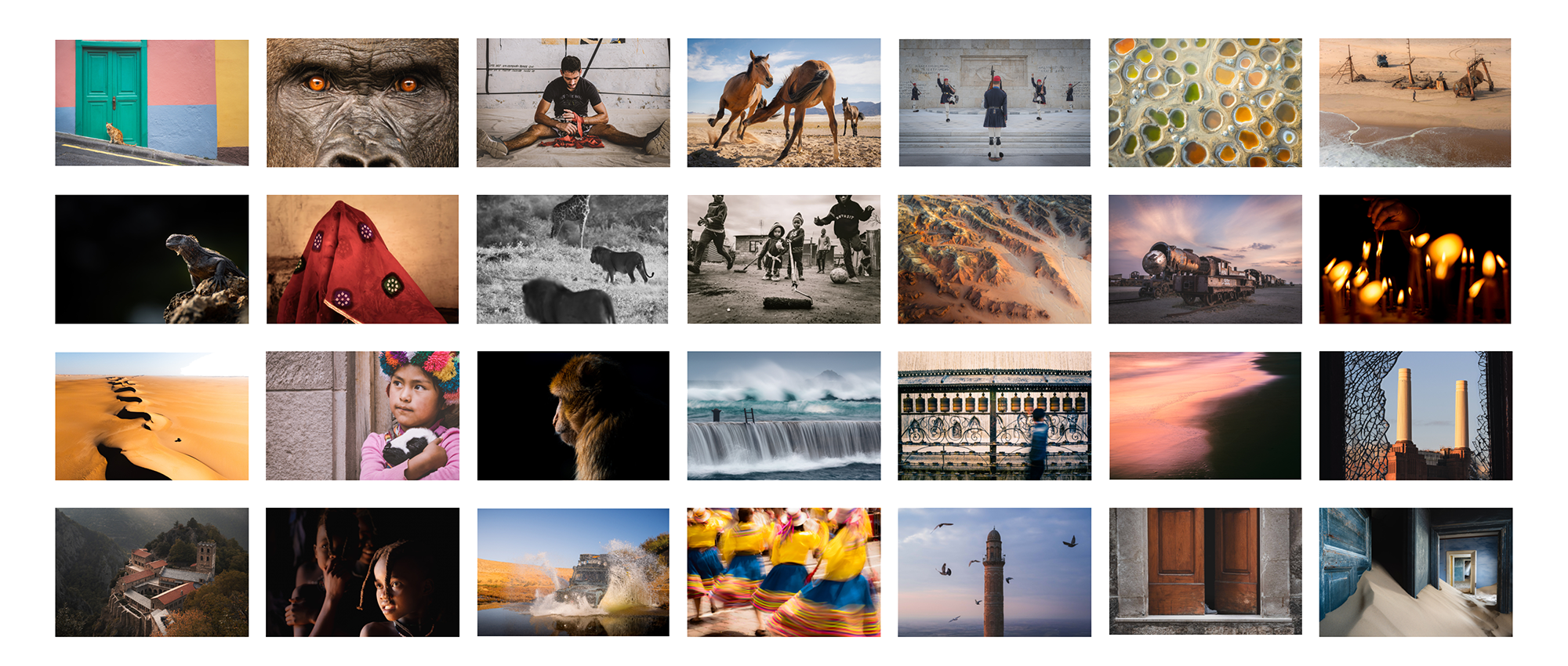
Carefully selected photographs (across genres) deconstructed to reveal what the eye responds to
Detailed Diagrams
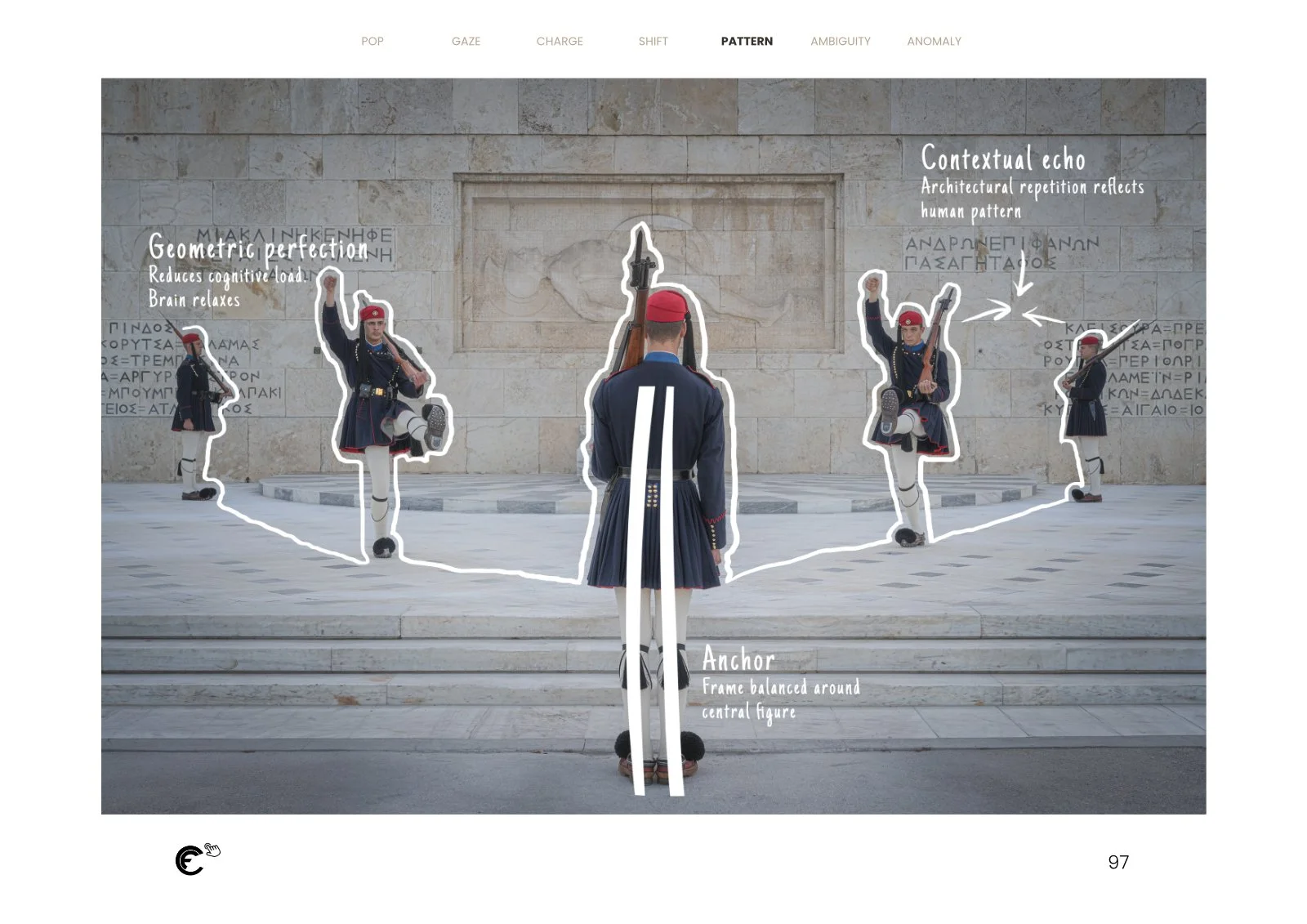
Making the Signals visible so you learn to spot these critical details & nuances.
Exclusive Audio Series
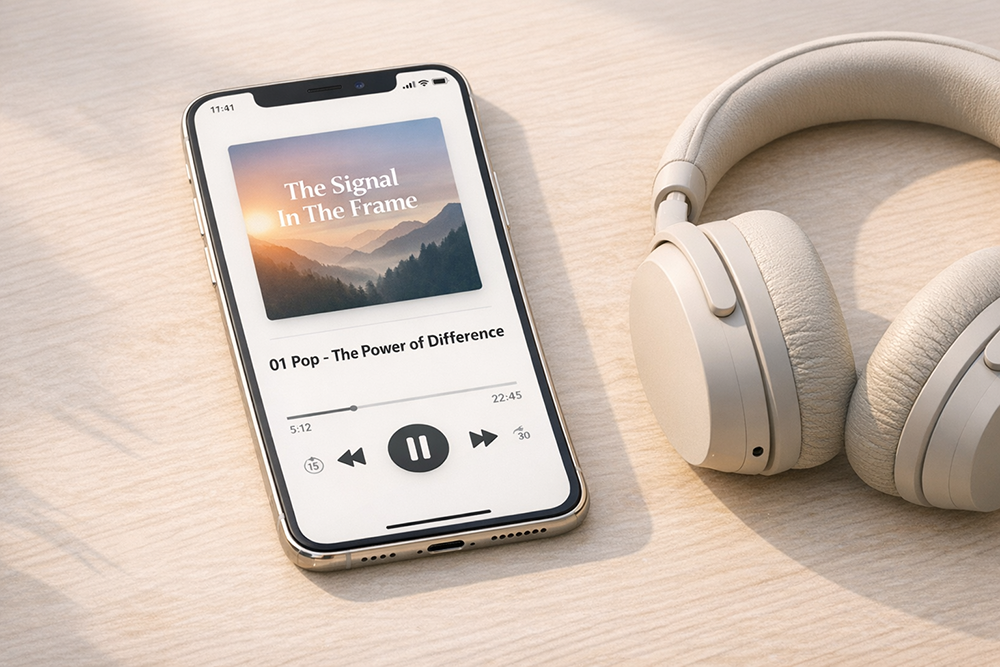
7-part audio masterclass for your photo walks to change how you scan a scene.
Field Blueprints
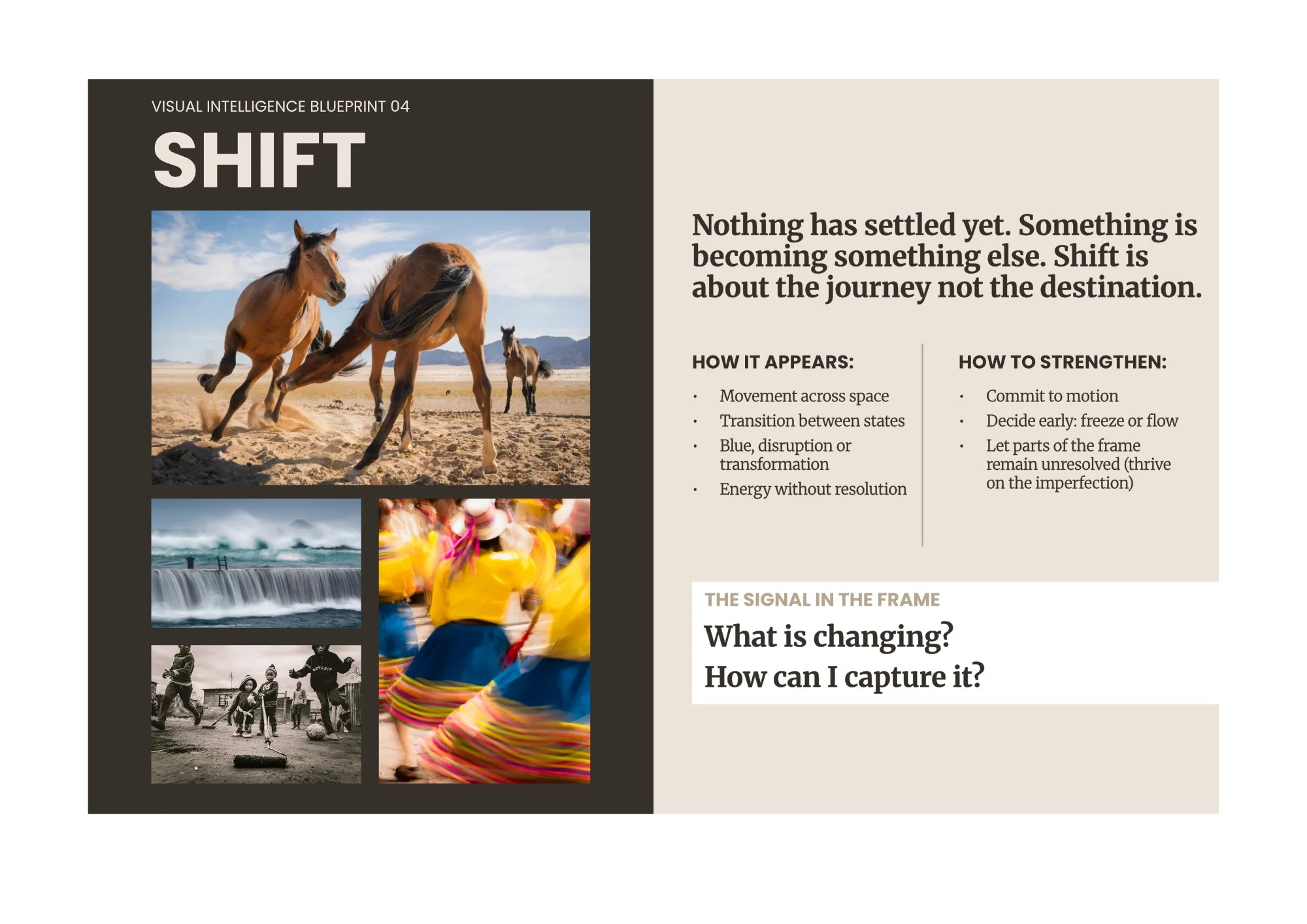
Quick reference cheat cards. What to look for, what to avoid, and the questions to ask yourself.
Stop relying on expensive gear and rigid composition rules to try and force meaning into your photographs. The Signal In The Frame is a complete cognitive operating manual - featuring a massive visual eBook and a private audio series - that permanently installs the 7 biological signals of human attention directly into your workflow.
Instantly download the complete Visual Intelligence Toolkit:
✓ The 166-Page Monograph
✓ The 7-Part Field Audio Series
✓ 28 Real-World Visual Deconstructions
✓ Printable Field Blueprint
Why learn this from me?
I’m Cliff. I’ve spent the better part of two decades dragging cameras across the continents, including traversing the length of Africa. I’ve won awards like Travel Photographer of the Year (People/Faces) and been published internationally.
And at the same time I’ve worked in psychology, understanding what grabs attention and what creates meaning.
The Signal in the Frame was built in the field, tested across thousands of hours in the dirt, the rain and the heat. It is the missing link in photography and the framework I wish I had years ago.


Me at my happiest - roaming the planet.
Just a few examples of where my work’s landed
The Zero-Risk Guarantee.

Download The Signal in the Frame. Read it. Listen to the audio. Take the Blueprints out on your very next photo walk. If this framework doesn't change the way you see the world through your viewfinder, simply email me within 14 days.
I will refund every single penny. No questions asked.
Three ways to fix your photography this year…
Option 1:
The Destination Workshop
Cost: £3,000+
Outcome: You have beautiful photos from a beautiful location, but when you fly home you are right back to square one because you were taught where to look, not how to truly see.
Option 2:
The Hardware Route
Cost: £1,500
Outcome: Your images are 10% sharper, but without soul. You still take the exact same photographs, just in a higher resolution.
Option 3:
The Visual Upgrade (The Signal in the Frame)
Cost: £39.99 (less than the price of a single camera battery)
Outcome: A permanent upgrade. A complete masterclass packaged into an instant digital system you can use anywhere in the world.
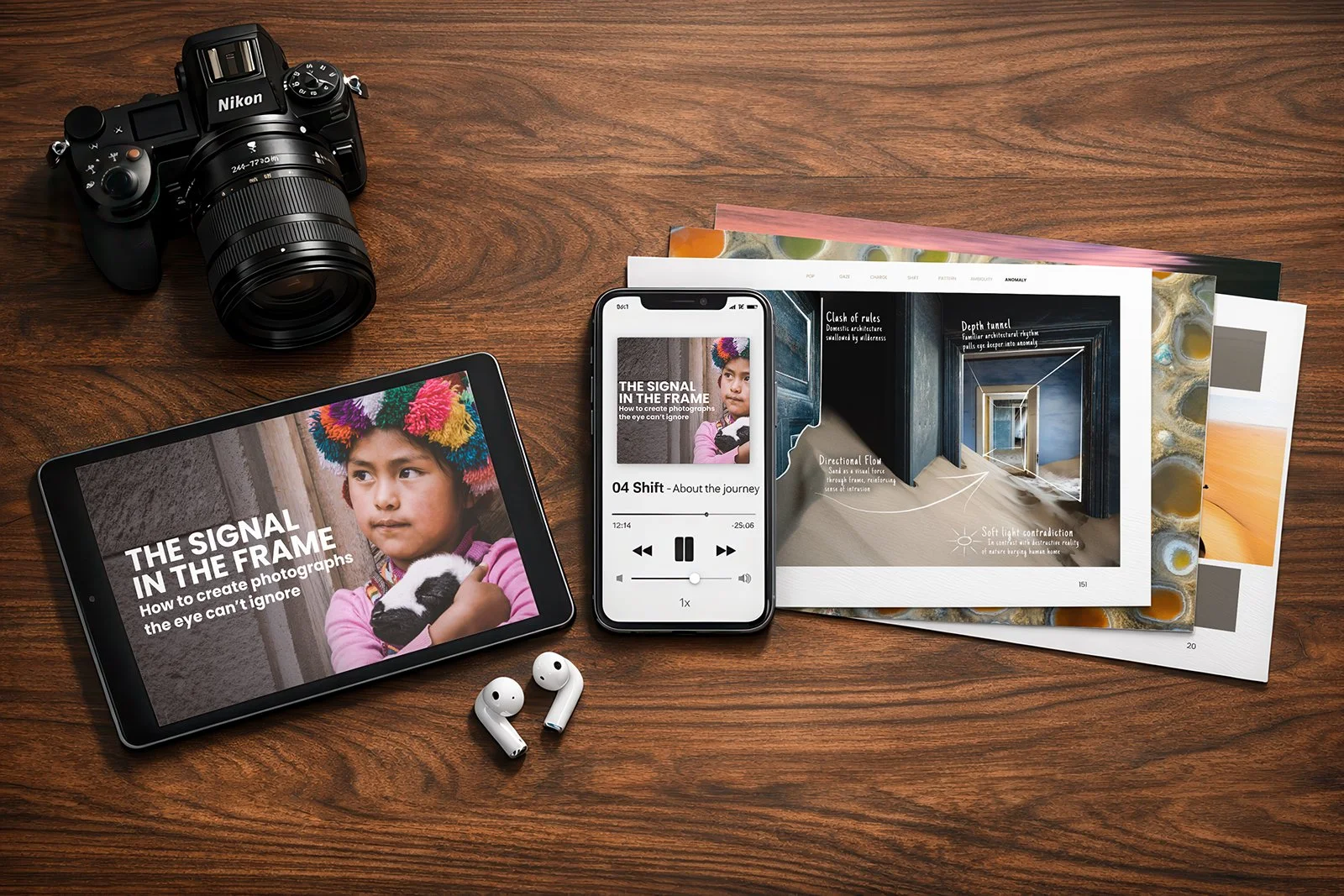
Stop relying on expensive gear and rigid composition rules to try and force meaning into your photographs. The Signal In The Frame is a complete cognitive operating manual - featuring a massive visual eBook and a private audio series - that permanently installs the 7 biological signals of human attention directly into your workflow.
Instant access. Compatible with Mac, PC, iPad, iPhone and Android.
✓ The 166-Page Monograph
✓ 28 Real-World Visual Breakdowns & Diagrams
✓ The 7-Part Field Audio Series
✓ Printable Field Blueprint
✓ 14-Day Money-back Guarantee
Frequently Asked Questions
-
At this stage, I'm only releasing a digital version and the audio part. You need a computer, a tablet or a smart phone.
As far as the audio – most devices have built in audio players, so you shouldn’t need anything specific for that.
-
Whilst I would encourage you to have a camera with an interchangeable lens if you're serious about photography, it isn’t a necessity. You don’t even need to worry about editing software like Lightroom & Photoshop.
Because this resource is based on how attention works and how our brains view images you can apply the thinking to any camera you use. If you prefer your phone, or a point and shoot camera – you’ll get plenty out of this tool.
-
This book is grounded in psychology, but it’s built for photographers — not academics.
Every attention signal is explained clearly and concisely, then applied directly to real images. You’ll see what the signal is, why it works, how it appears in a photograph, and how it was used in the field.
The goal isn’t to make you think more while you’re shooting. It’s to train your perception so you start noticing stronger images instinctively.
-
I believe all photographers will benefit from seeing photography human-first rather than through a series of rules. That said, this probably shouldn’t be your first resource. Having a basic understanding of how your camera technically works (e.g. shutter speed, aperture, ISO) will give you a solid base from which this will build.
In terms of type of photography this resource goes crosses genres (and is applicable to portrait, documentary, landscape, street, wildlife, drone and more). The attention signals are evidence based, rooted in human psychology and field-tested across genres.
-
No. Composition is how you arrange elements. This book is built from how we - as photographers and viewers - actual perceive a scene. Why certain elements matter first and how you can learn to recognise them.
-
This isn’t a collection of tips or surface-level composition advice. It’s a structured framework built around how human perception works — and how you can use that to create photographs with greater depth and impact.
It’s 7 psychology-backed attention signals, 28 fully deconstructed images (with diagrams, detailed thinking and field-decisions) and almost 2 hours of private audio masterclass.
This focuses on perception — the part that determines whether an image feels powerful in the first place. It’s a tool you will carry with you on all future shoots.