
7 Unusual Travel Photography Tips
Why the best travel photos happen when you stop following the rules.
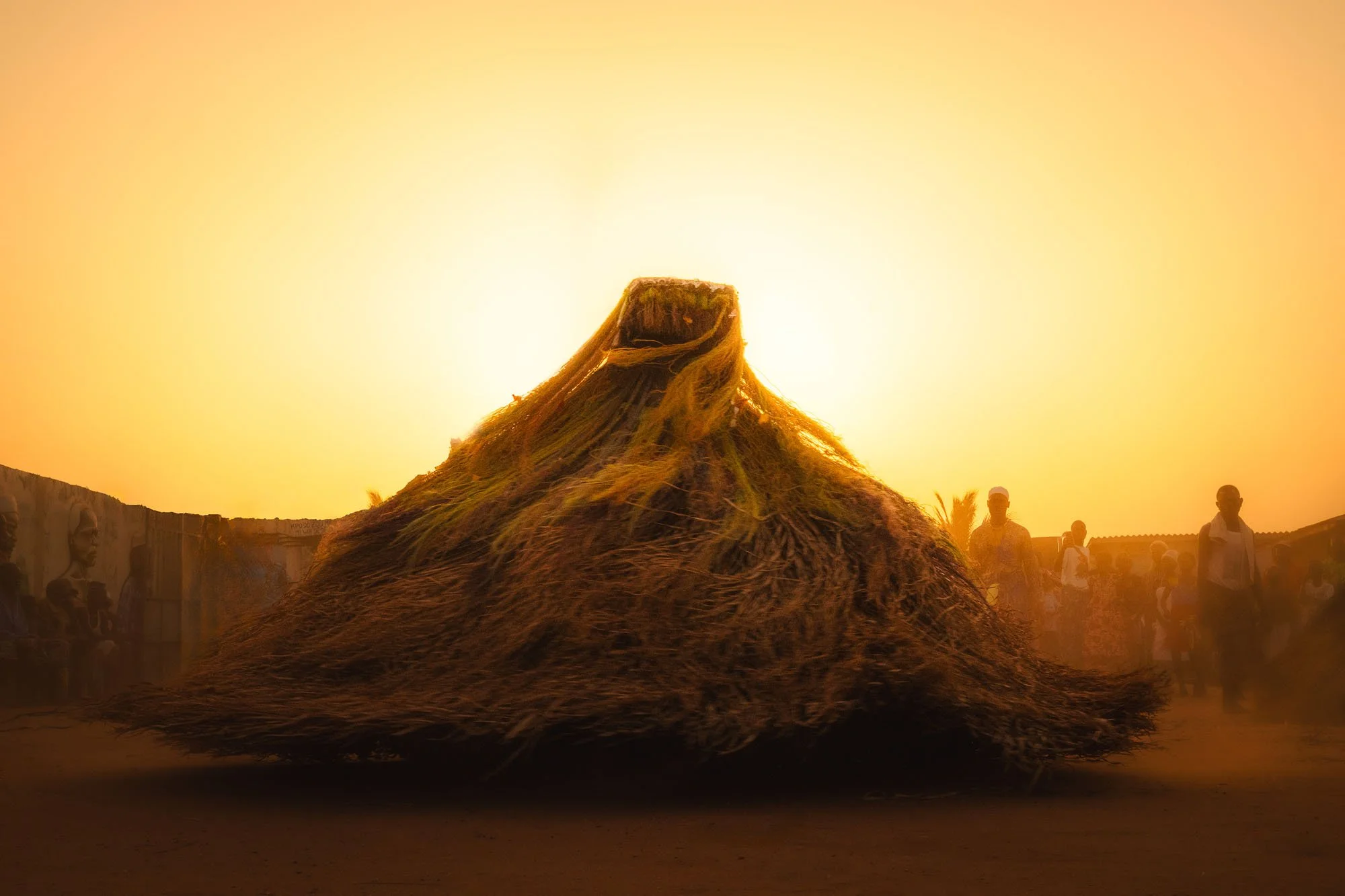
A Zangbeto spirit spins towards my lens as the sun sets, Ouidah, Benin
Most travel photography advice is a collection of clichés. But after years of travel, expeditions in my Land Rover Defender and countless photographs I’ve realised that the gear in your bag matters far less than the psychology of your approach.
If you want to move beyond the 'pretty postcard' and start capturing photographs full of meaning. Photographs you can feel, here are seven unusual, field-tested tips that will fundamentally change how you see the world through your lens.
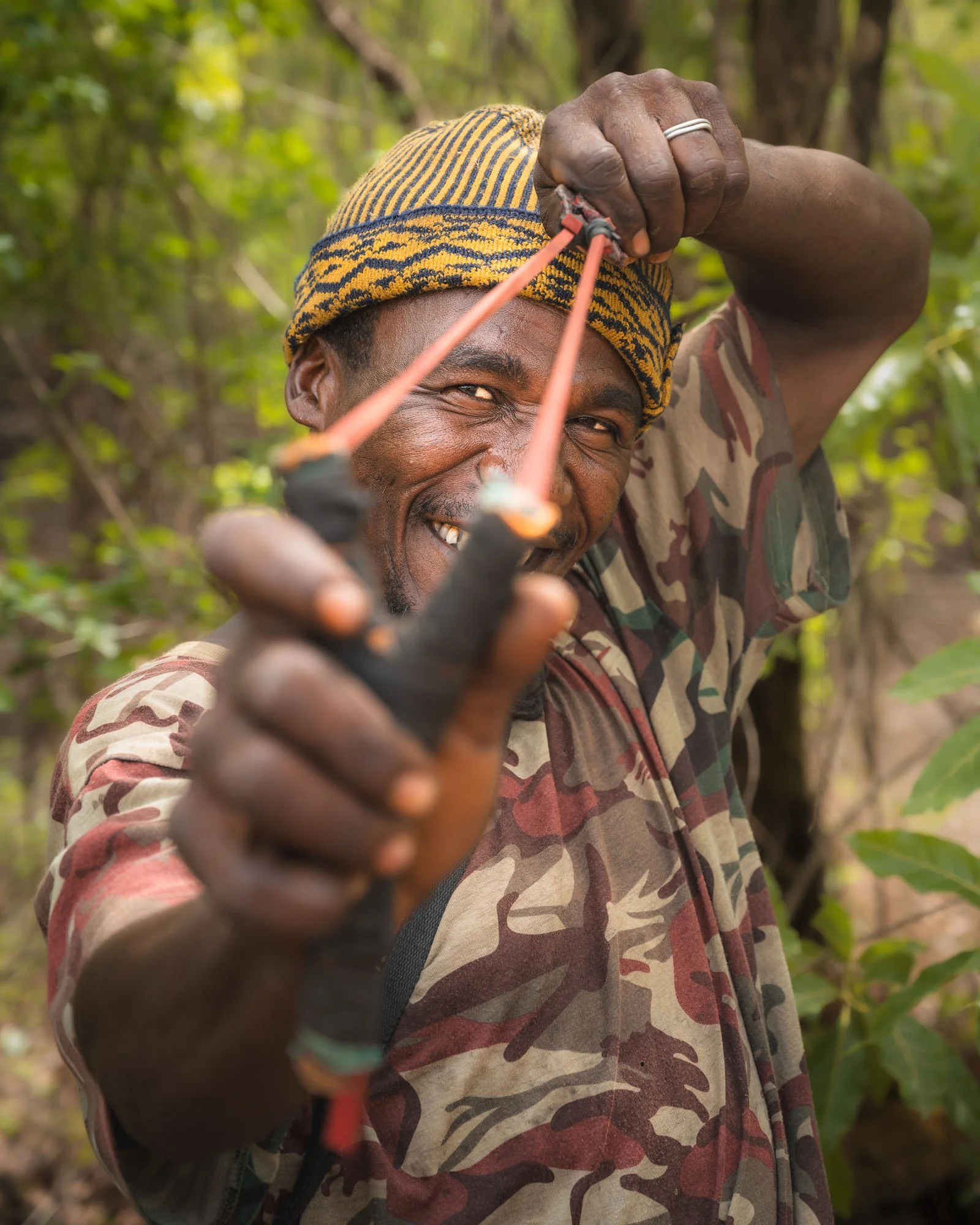
A villager in the Highlands of Guinea takes aim… playfully!
1. Weaponise Your Naivety
Most photographers wait for the 'perfect' moment to take their camera out. They over-estimate the risk of rejection or the 'right' way to behave. I’ve found that the best results come from a state of intentional innocence. Don't assume you know how people will react. Just be genuinely interested and approach a scene with curiosity rather than an agenda.
The Psychological Truth: When you approach a stranger with open, naive curiosity, their nervous system mirrors yours. Research in social psychology shows that first impressions are formed in just 30 milliseconds. So, if you approach relaxed and interested, they are more likely to become relaxed and interested.
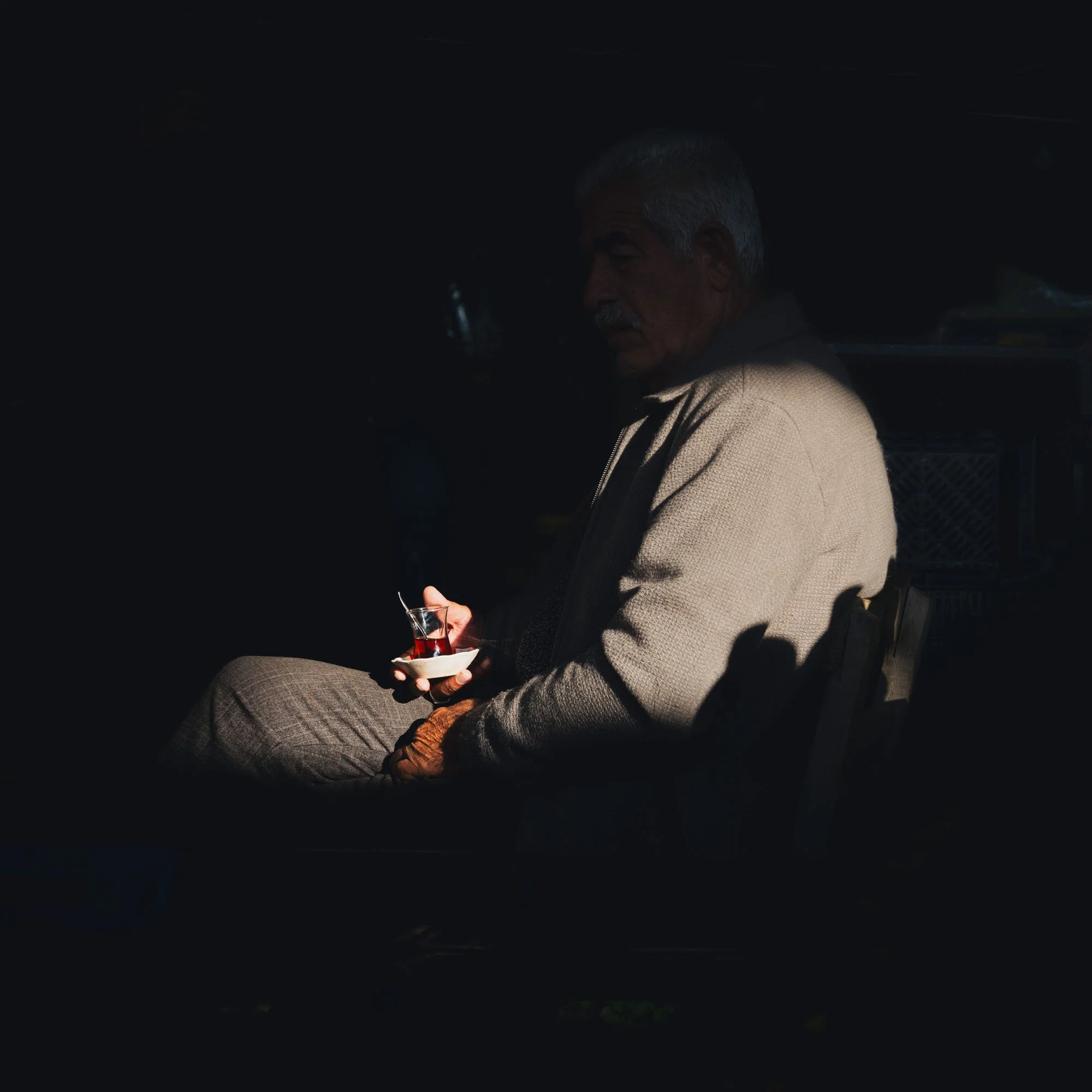
The classic tea ritual of Türkiye, spotlit
2. The Main Event is a Distraction
In Turkiye, thousands of people head to Istanbul to photograph the grandeur. Most photographers focus on the Mosques and the Bosphorous. I focus on the people doing the everyday. The big spectacle is often visually 'loud' but conceptually 'thin.' The real 'Signal' is usually found in the quiet tension of the city or the messy reality of life.
The Psychological Truth: Our brains are more attracted to incomplete or unresolved narratives. A 'main event' is a finished story; the build-up is a puzzle that forces the viewer to stay engaged. Studies show that viewers spend up to 40% more time looking at images that hint at a story rather than explicitly explaining one.
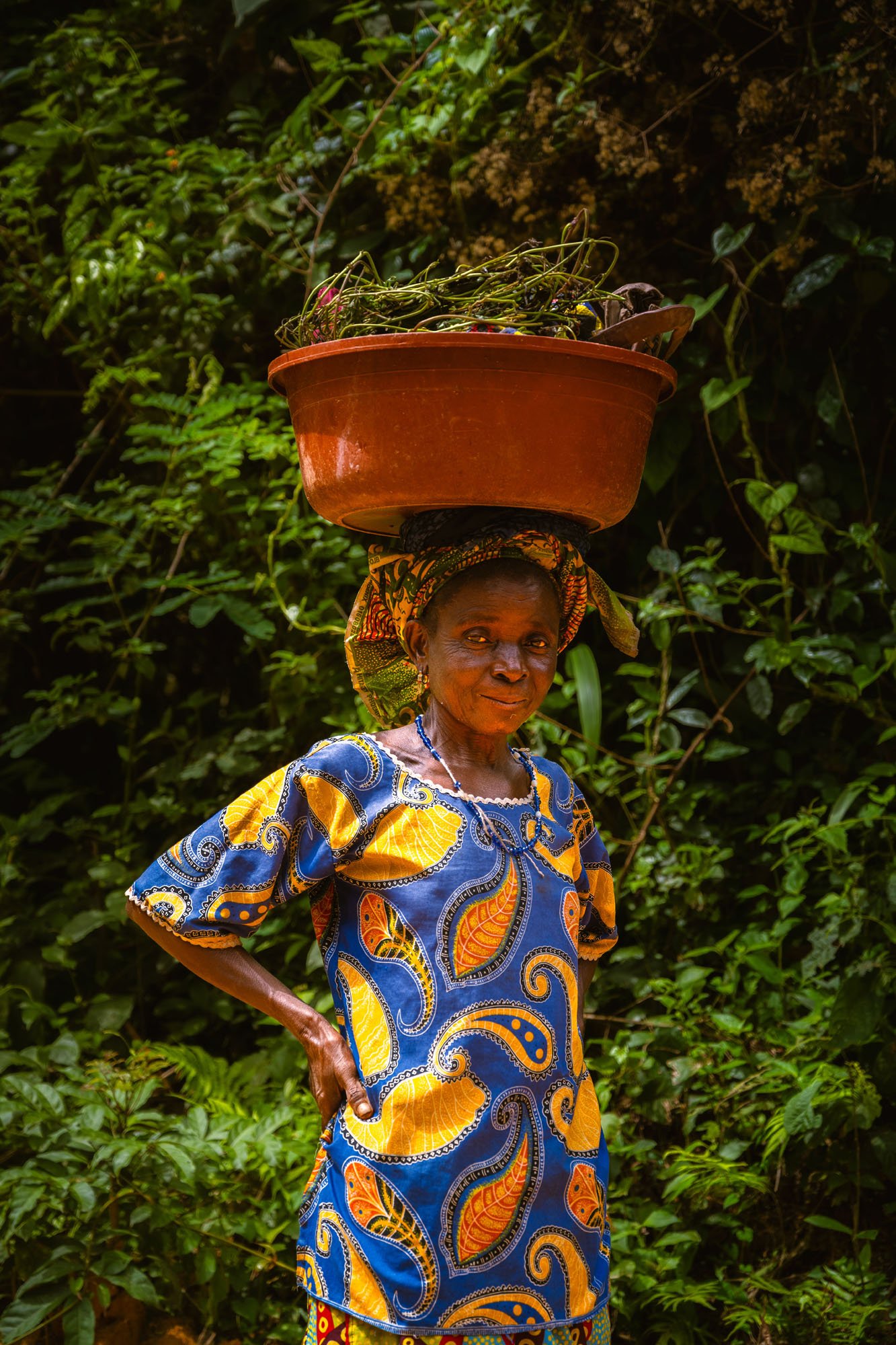
A woman emerges from the jungle in dazzling vibrancy, Guinea Bissau
3. There is No 'Next Time'
I was driving through Macedonia when I saw a market seller on a desolate stretch of road. I didn't stop because I was in a rush. I went back two days later; the light was dead and the man was gone. In travel, conditions are a chaotic lottery of light, weather, and human presence. If your gut tells you there is a signal in the frame, hit the brakes immediately.
The Psychological Truth: We suffer from Optimism Bias—the belief that the future will provide a 'better' version of the present. In the field, this bias is a lie that leads to missed masterpieces. In cognitive tests, 'Gut-level' decisions during high-pressure moments are shown to be accurate up to 90% of the time. If you feel the click, take it.
👉 Download my FREE Visual Blueprints here to learn the Signals that make great photographs.
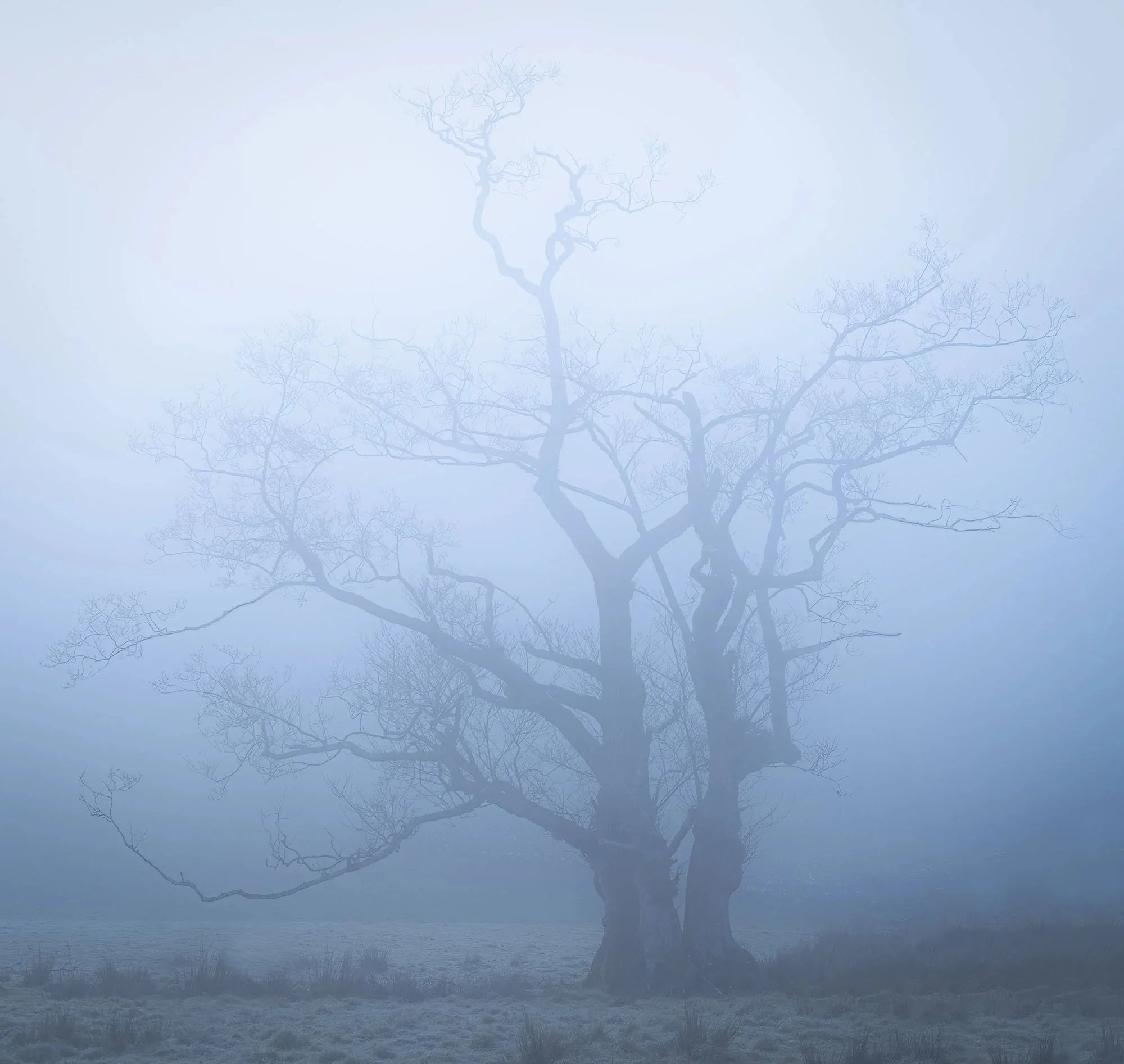
As the mist recedes, the tree emerges, Lake District, UK
4. Run Toward the Bad Weather
The moment the rain starts or the fog rolls in, most photographers pack up. That is the exact moment you should be reaching for your camera. Bad weather introduces Signals I call Ambiguity and Charge—it strips away the predictable 'pretty' light and replaces it with a visceral, atmospheric reality that the human mind is drawn to.
The Psychological Truth: Atmospheric conditions like mist or storms trigger a primal emotional response in the viewer. They don't just see the photo; they feel it. Darker, more 'moody' images have shown to have a higher retention rate on digital platforms than standard high-key, sunny shots because they require more 'empathic processing' from the brain.

A wreck languishes on the Angolan coastline
5. Find the Soul in the 'Ugly'
We are trained to look for beauty. But beauty is a commodity. 'Ugliness'—a decaying shipwreck, a scrap yard, or industrial smoke—holds a narrative weight that perfection cannot match. These subjects provide a Prediction Error for the brain. They don't belong in the 'travel' schema, which is exactly why they capture attention.
The Psychological Truth: Just as we find high-performing people more relatable when they show a flaw, we find landscapes more authentic when they show the 'grit' of reality (The Pratfall Effect). In visual tests, 'Anomalous' images (things out of place) trigger a dopamine spike in the brain, making them more memorable than standard 'beautiful' scenes.
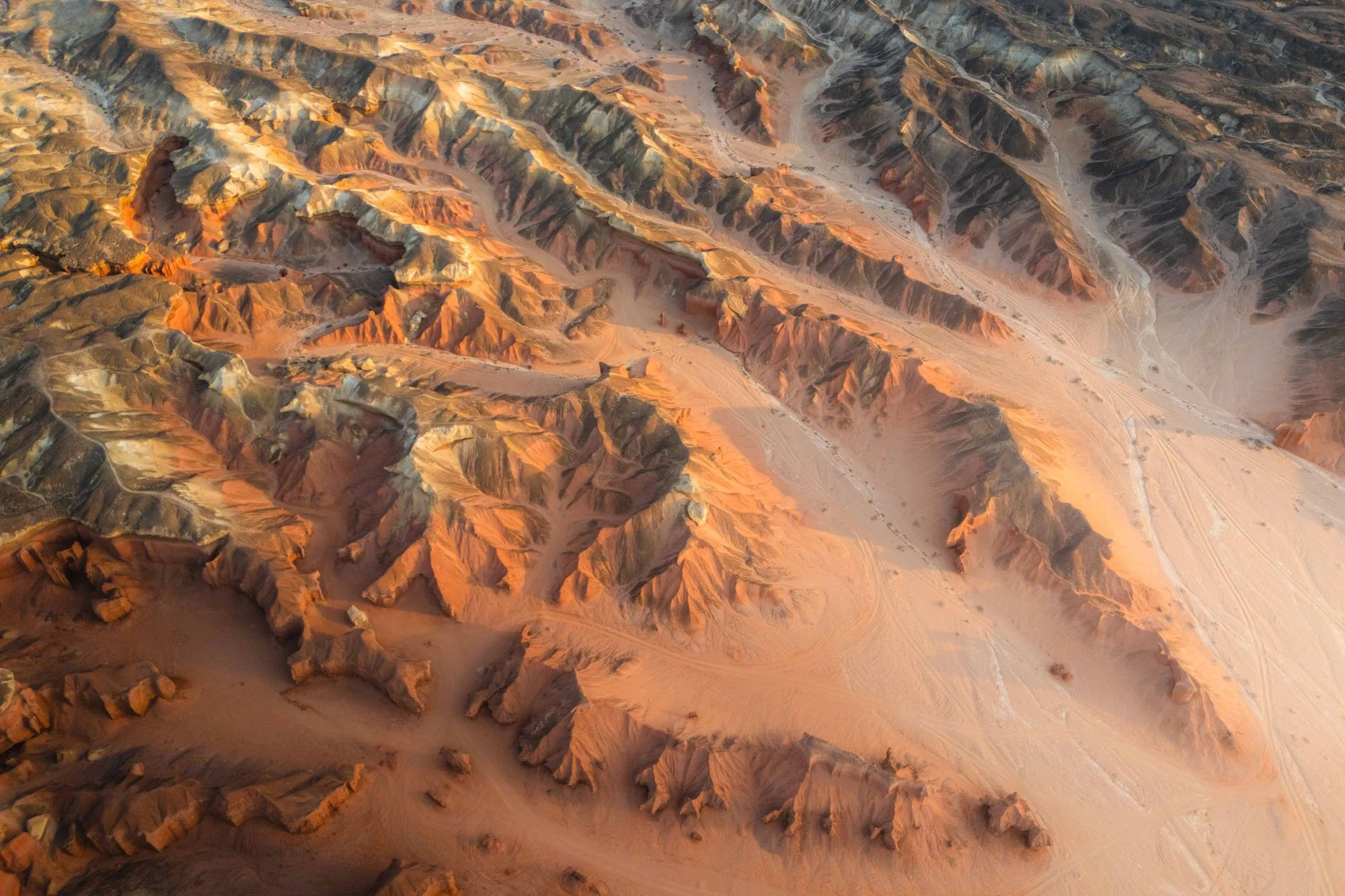
‘Just a load of rocks’ as seen from above, Angola
6. Be Skeptical of Local Pride
If you ask a local where to go, they will send you to the renovated church or the scenic viewpoint. They are showing you their 'Ideal.' As a visual ethnographer, I’m looking for the 'Real.' The best shots are often in the places the locals think are boring or embarrassing. Don't let someone else's civic pride dictate your photography.
The Psychological Truth: Locals want to present a world that fits their 'Good Home' schema. Your job is to find the Schema Violation—the truth that exists in the cracks. The brain's Saliency Network ignores common, prideful landmarks and snaps instantly to the unexpected, the weathered, and the authentic.
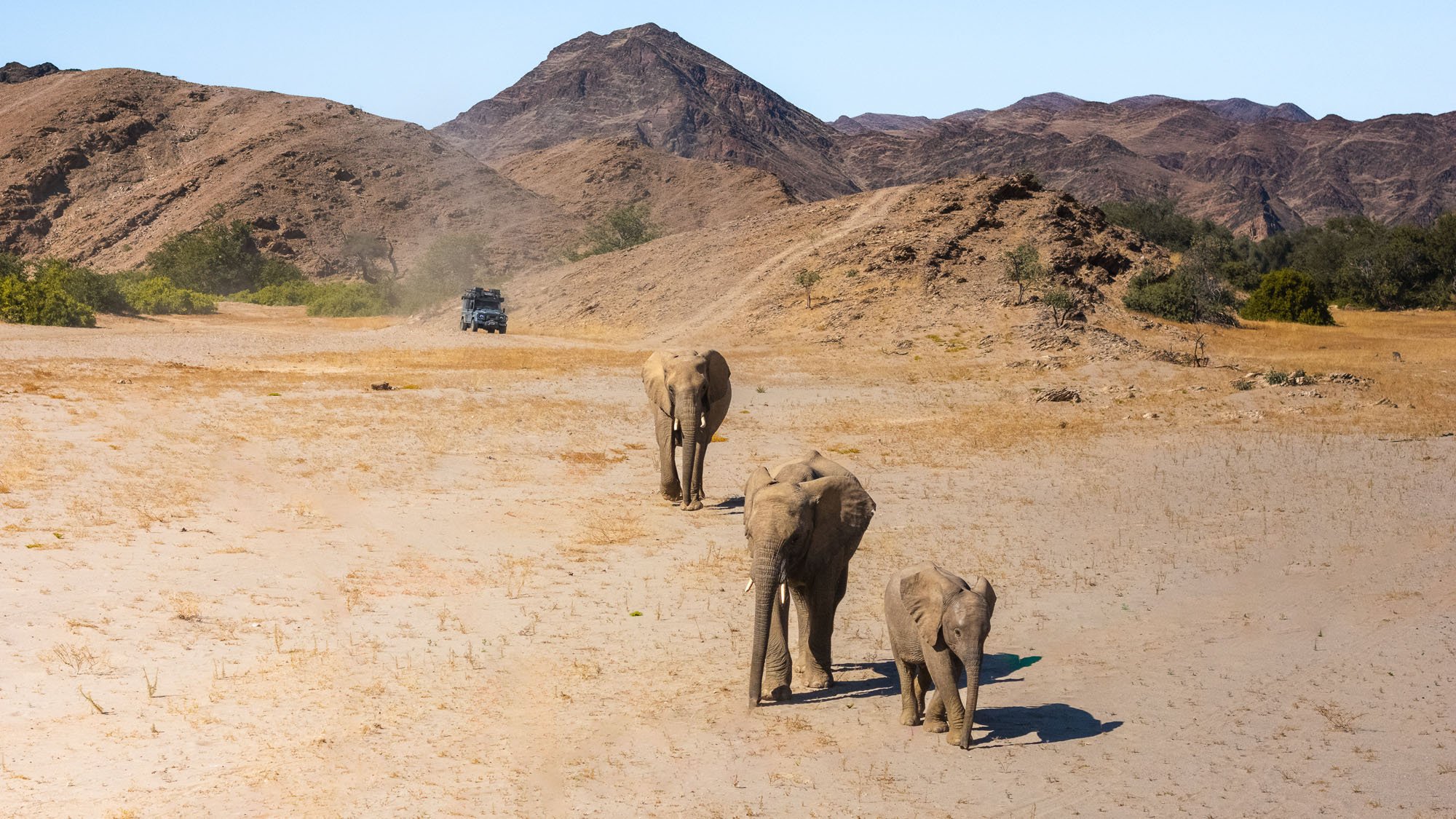
The shot we’d never have got if we hadn’t slept nearby, Namibia
7. Sleep on the Doorstep
The greatest friction in travel photography is distance. If you are staying in a hotel two hours away from the action, you are relying on willpower to get the shot. It’s why I travel in a Land Rover. So I can sleep inches away from where the morning light will hit, I remove the barrier. When you minimize the distance between your bed and your subject, you ensure you are present for the micro-moments that everyone else missed while they were still in the shower.
The Psychological Truth: By removing the logistical stress of 'getting there,' you free up your mental bandwidth for the actual act of noticing. Decision Fatigue is the #1 killer of creativity. By making your location a 'non-decision,' you preserve your brain's energy for the moments that matter.
The "So What" for the Observer
Great travel photography isn't about where you go; it's about how you behave. It is about having the courage to be naive, the discipline to embrace the rain, and the Visual Intelligence to realize that the 'ugly' truth is always more powerful than the 'pretty' lie.
Stop being a tourist with a camera. Start being a witness to the world.
If you enjoyed this article, you’ll likely find my free photography blueprints useful. I’ve mapped out of the 3 psychological triggers that underpin great photography
👉 Download my FREE Visual Intelligence Blueprints here.
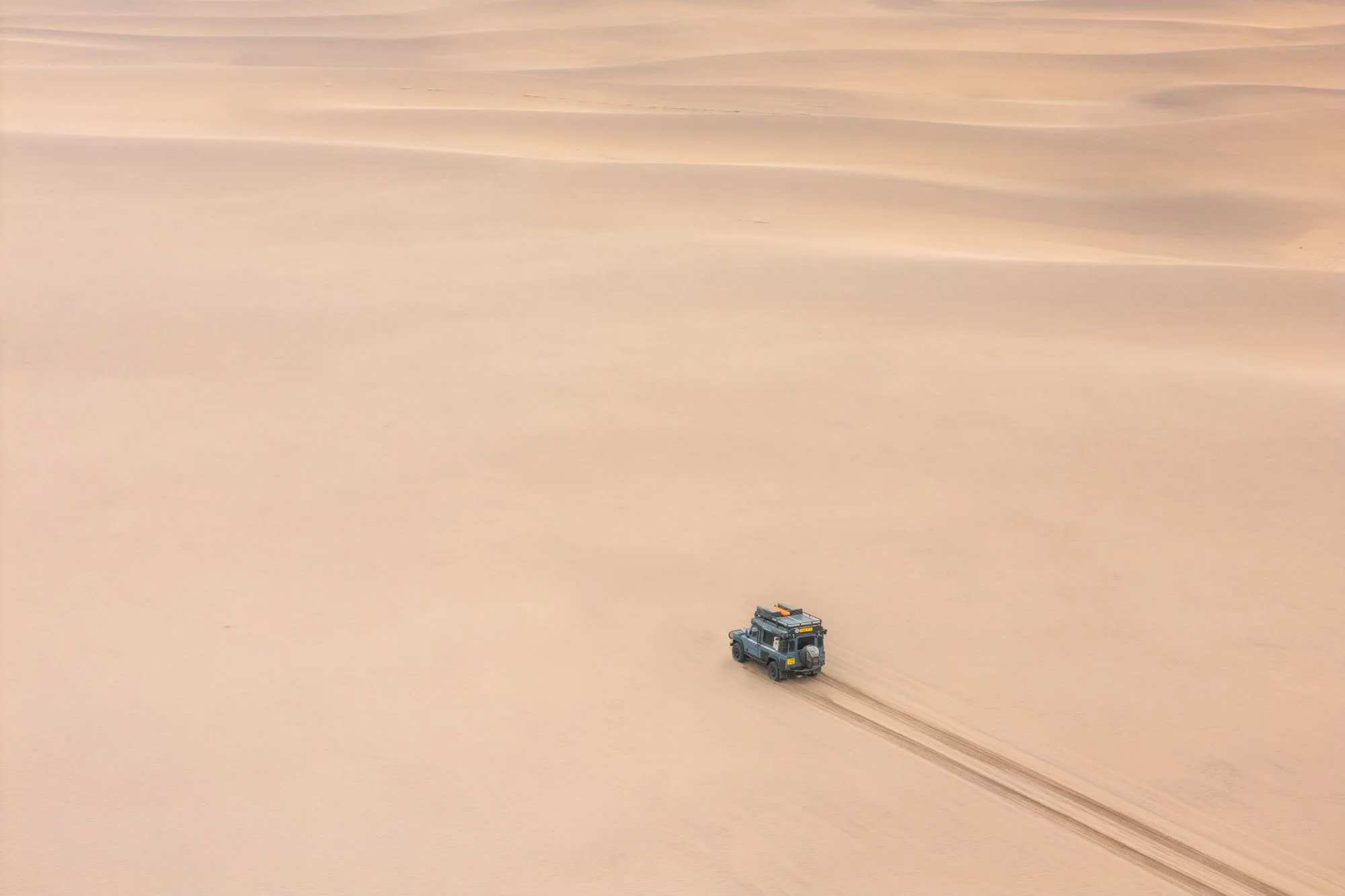
Off on another adventure…