
The Road to Elsewhere
Beyond the postcards of Cappadocia & Istanbul lies a raw, ancient world. This is a journey to find the untamed heart of Eastern Türkiye.
Most people experience Türkiye through a carefully curated lens.
They see the sapphire tiles of Istanbul’s Blue Mosque or the dawn-lit silhouette of hot air balloons dancing over the fairy chimneys of Cappadocia.
Whilst those moments are undeniably beautiful, they are only the preface to a much larger, more untamed story. A story many miss, but I hope you won’t…
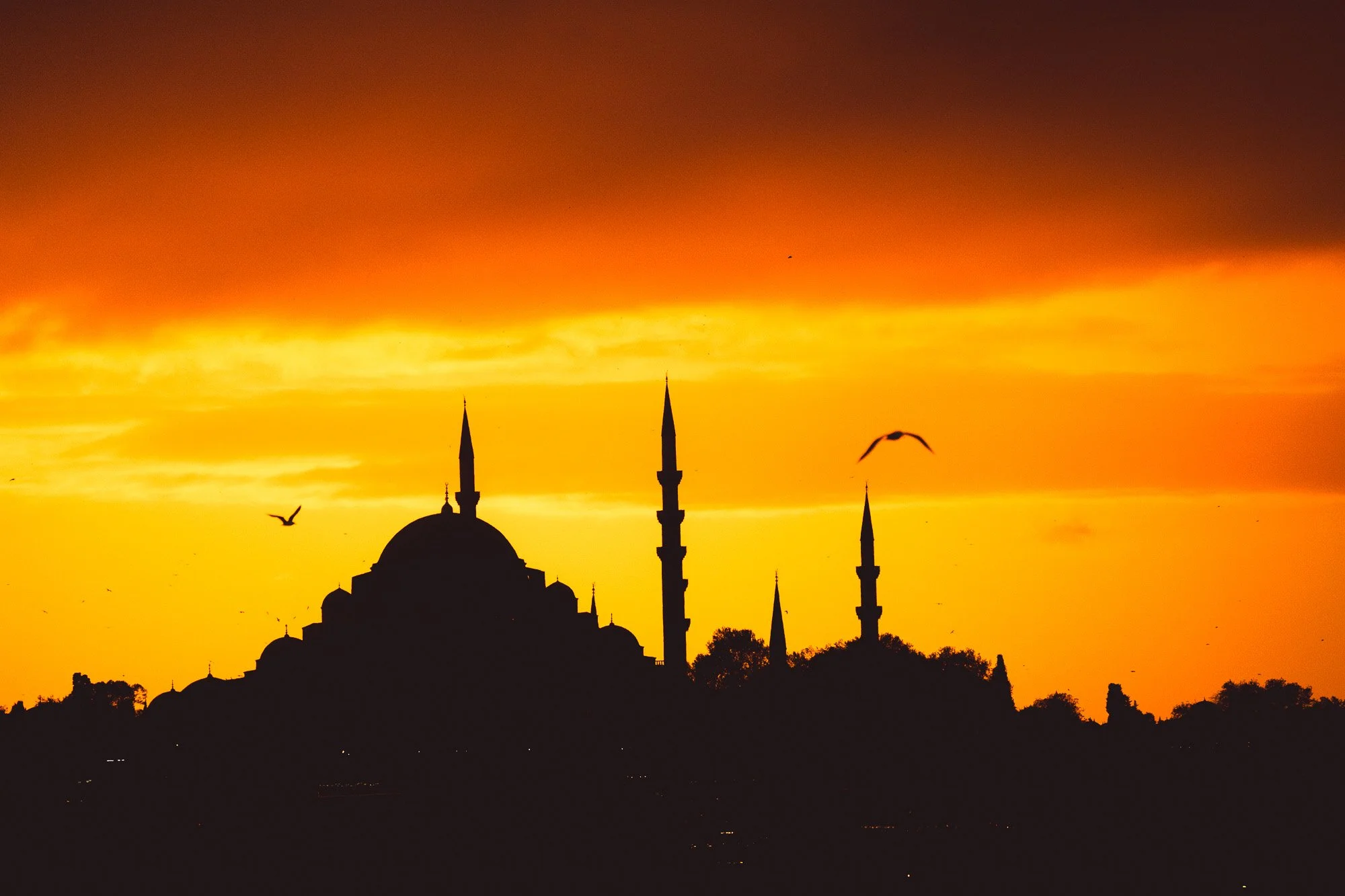
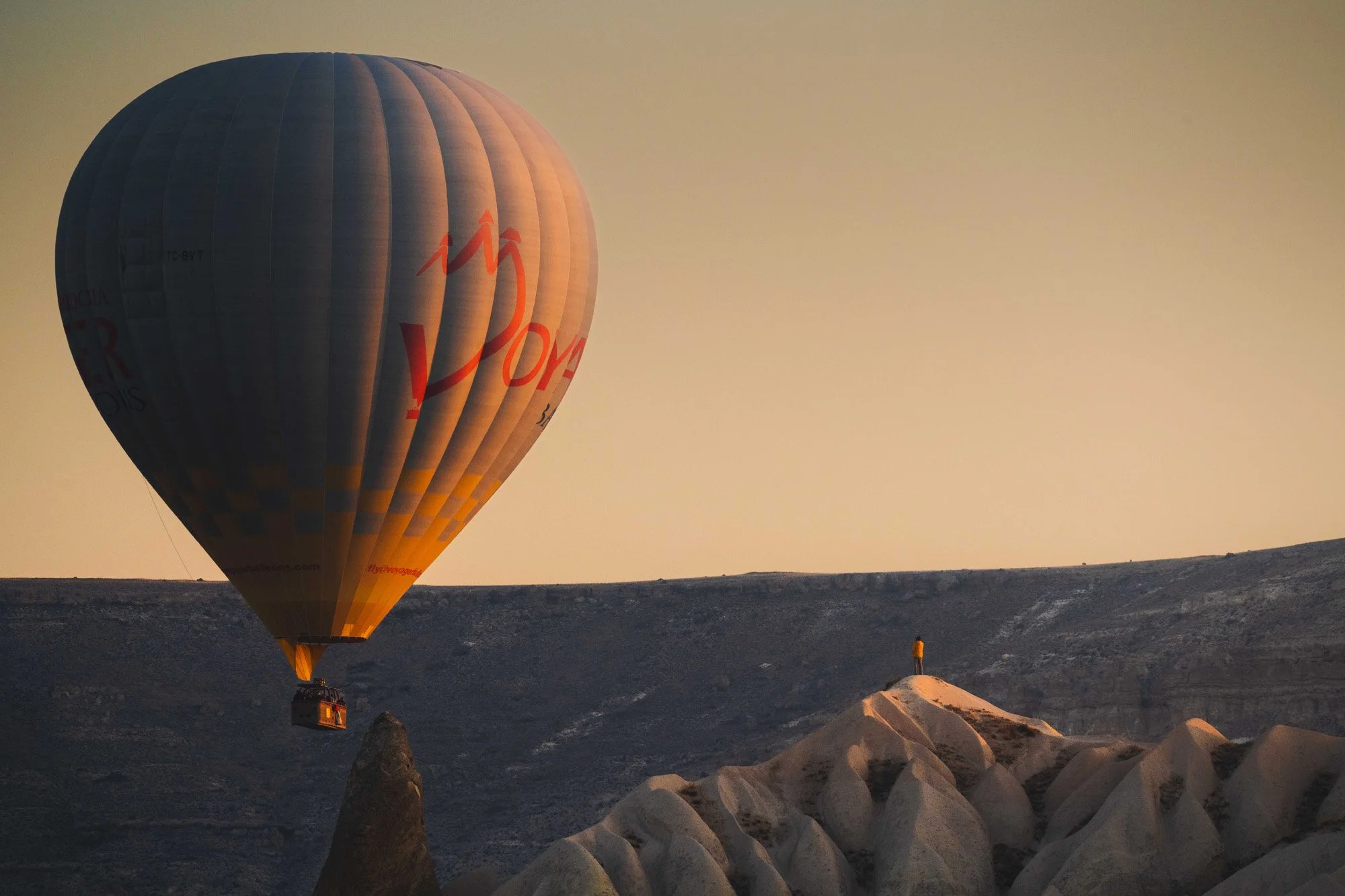
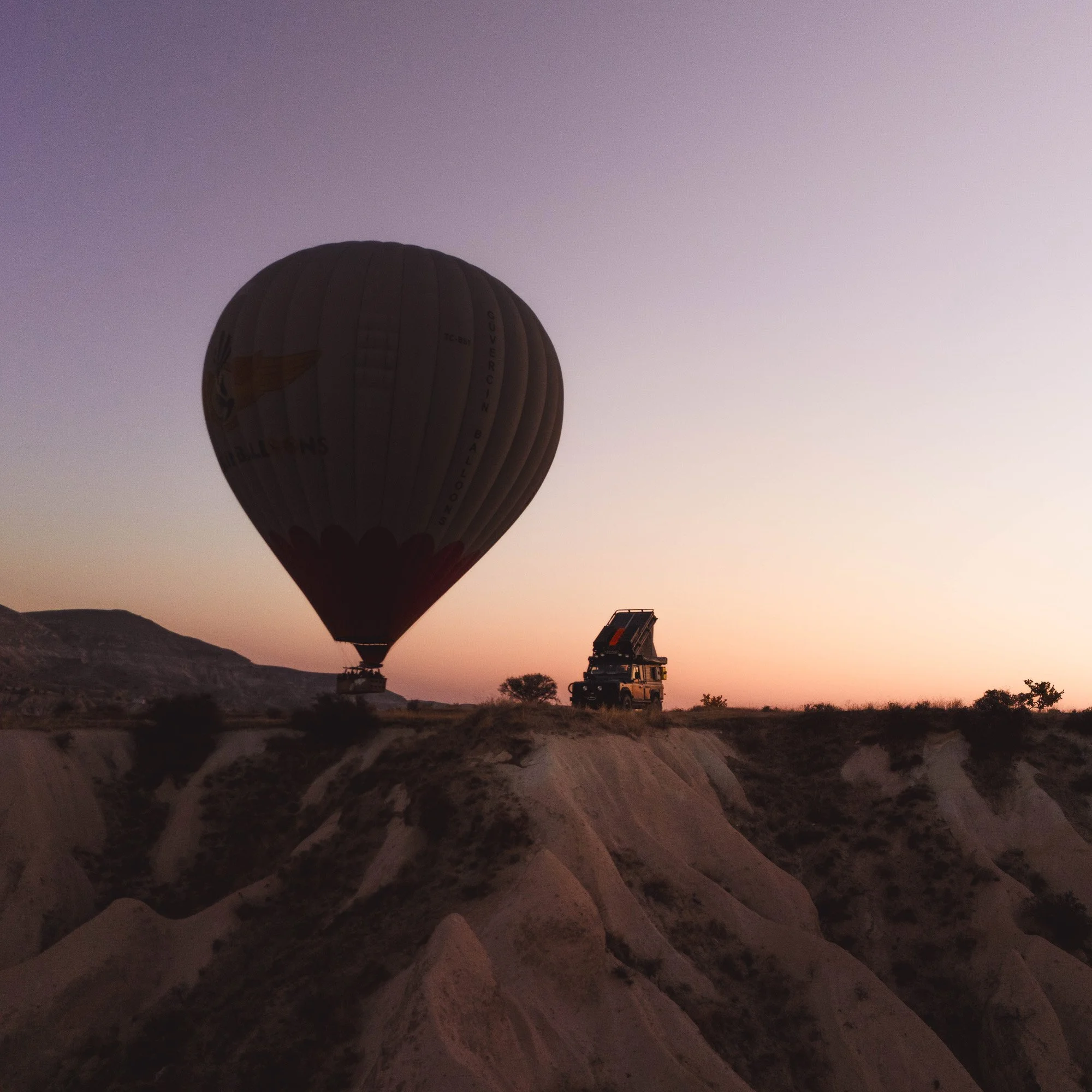

If you keep driving — if you point your tires toward the rising sun and don’t stop until the tourist crowds become a distant memory — you find a different country.
You find the East.
It is a place where history isn't tucked behind velvet ropes and where the "wonder of wandering" becomes the only itinerary you’ll ever need.
My journey through these borderlands was a lesson in unlearning the postcard and discovering the soul of a landscape that feels as ancient as time itself.
🖼️ Stop looking for the postcard.
📸 Master your travel photography.
🗝️ Unlock the Signal In The Frame
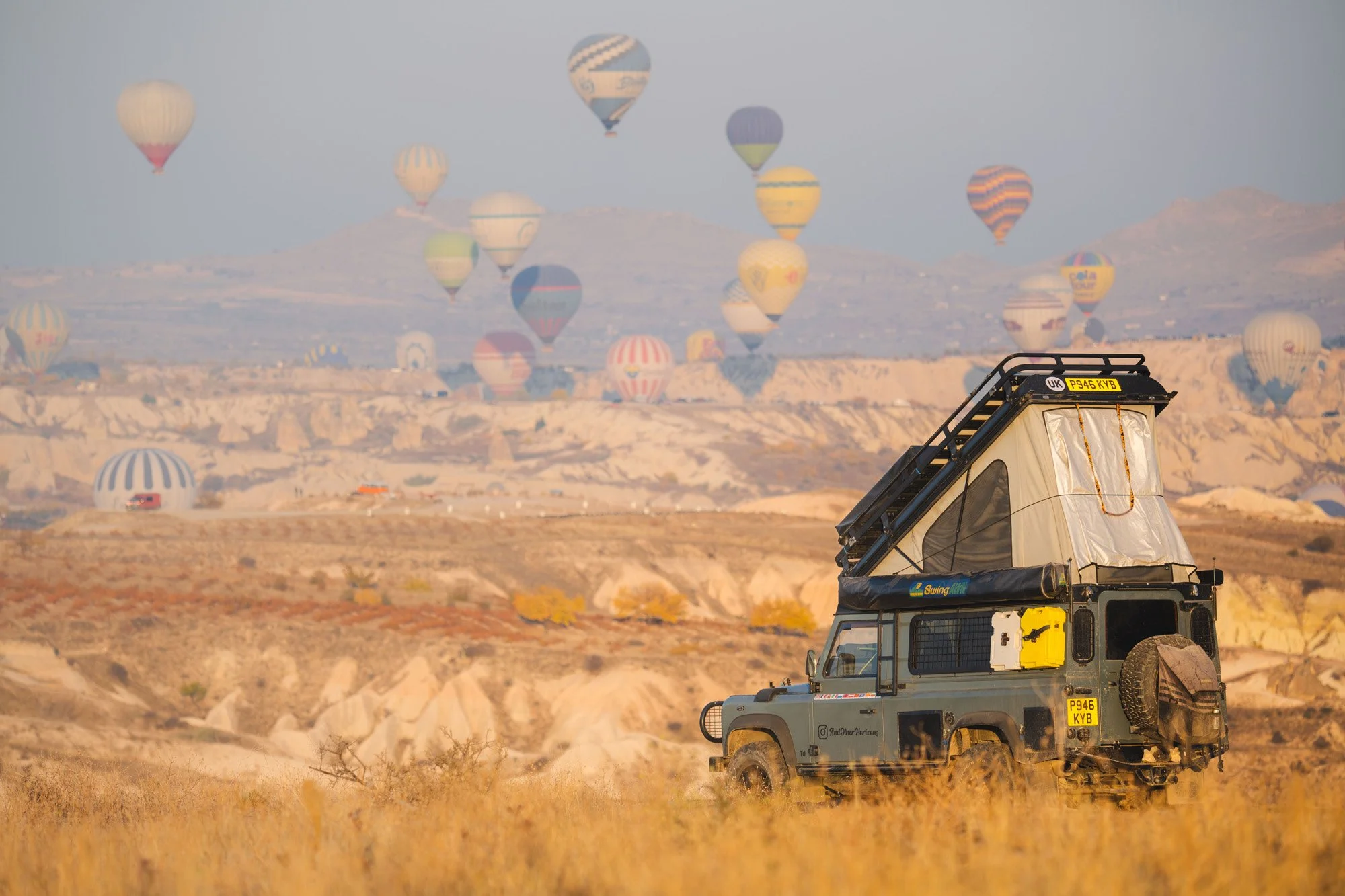
An undeniably perfect morning watching the balloons rise over Cappadocia
The Mist and the Mountains: Photography along the Black Sea Coast
Our journey into the East began with a stark shift.
We left the balloons flying high in the sky over Cappadocia and climbed into the Pontic Mountains, where the air is thick with the scent of damp earth & tea and the rolling hills are filled with the echoing call to prayer.
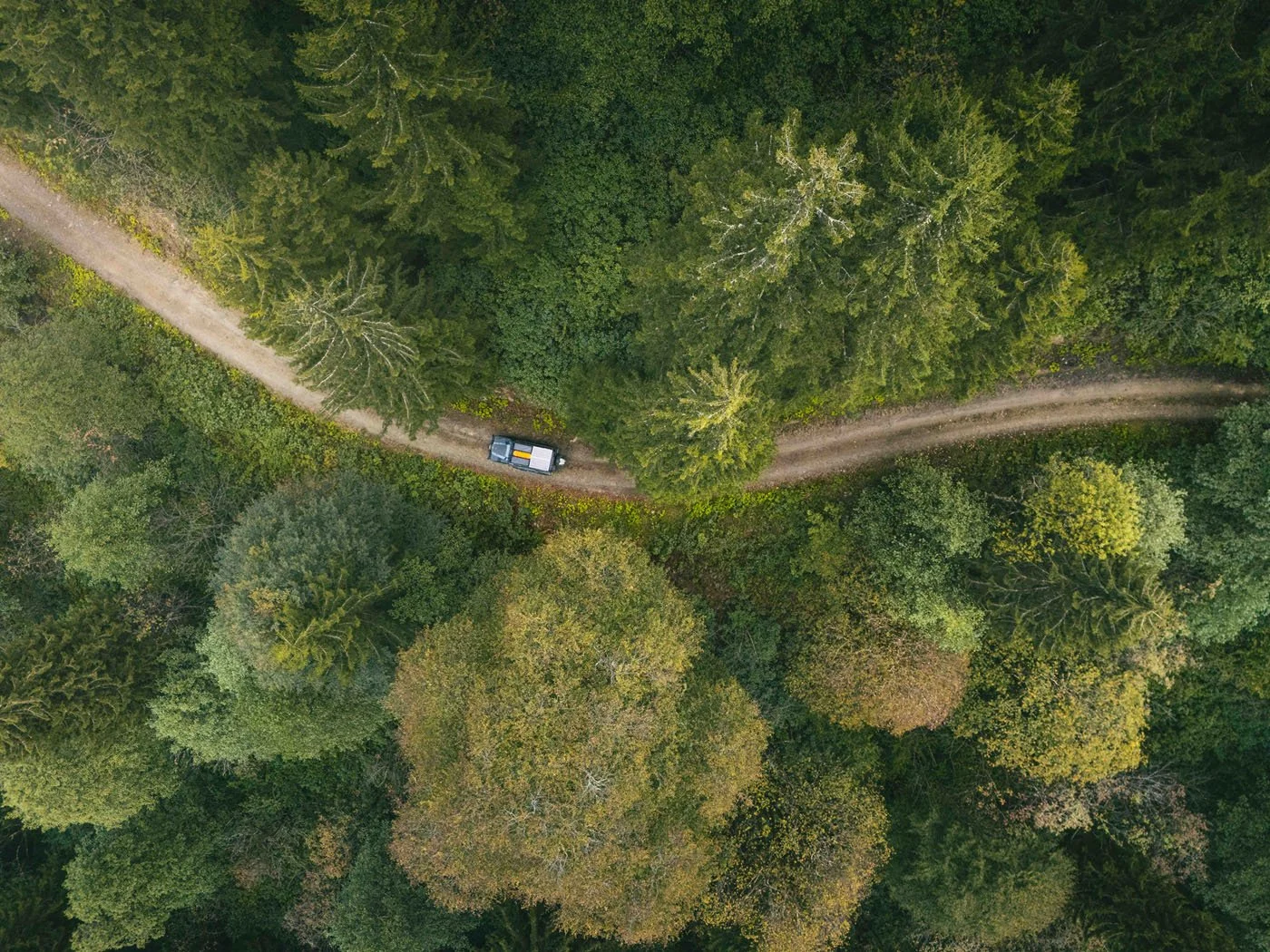
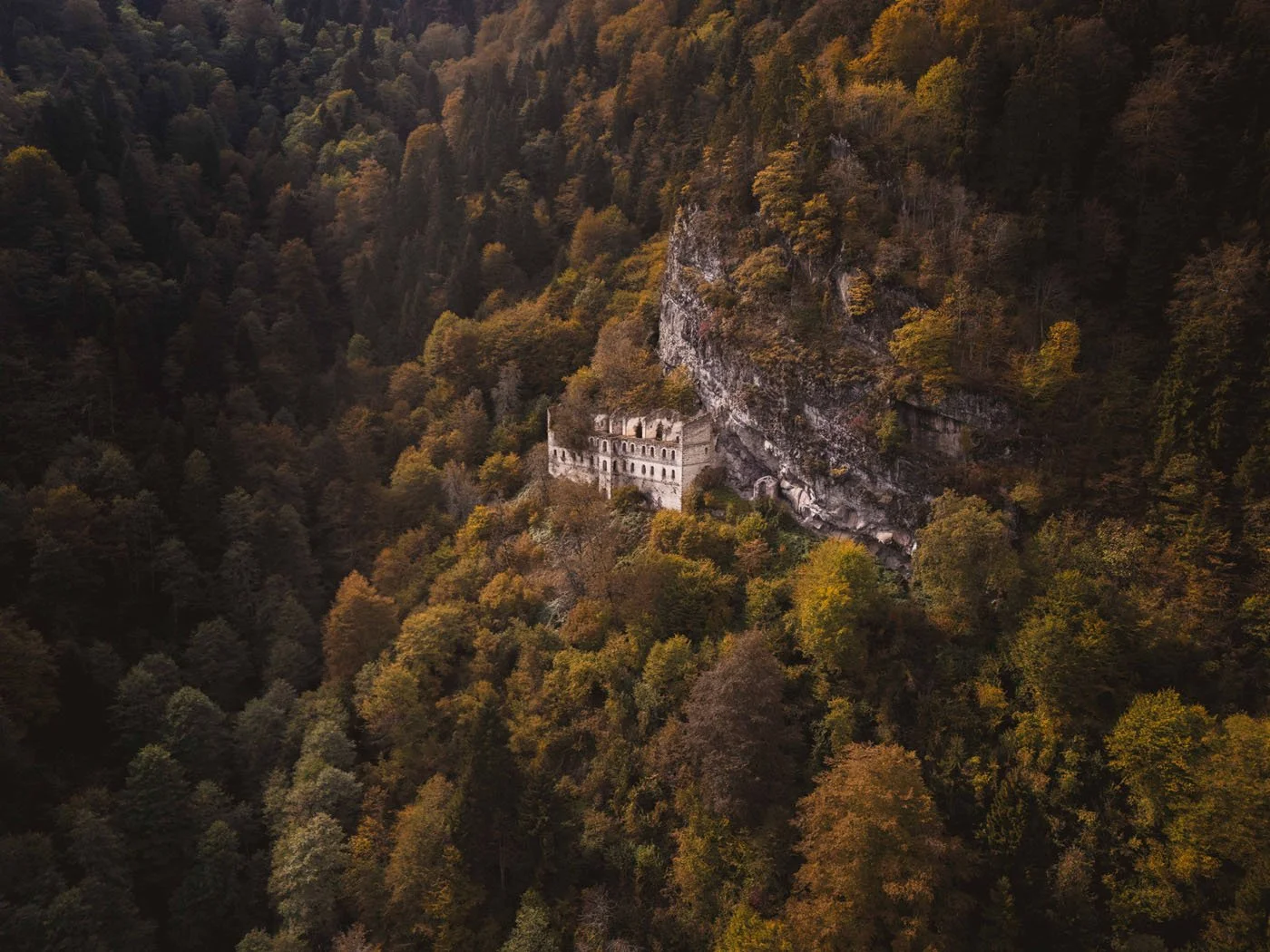
In Haremtepe, the landscape is a mesmerising mosaic of mist-kissed tea plantations that seem to defy gravity. There is a spiritual energy here that a camera can barely contain.
And yet comes coupled with a surprisingly frantic pace of life.
We watched local farmers bombing down narrow, barrier-less dirt tracks in ancient trucks, pushing "terminal velocity" just to get their harvest to the valley floor first.
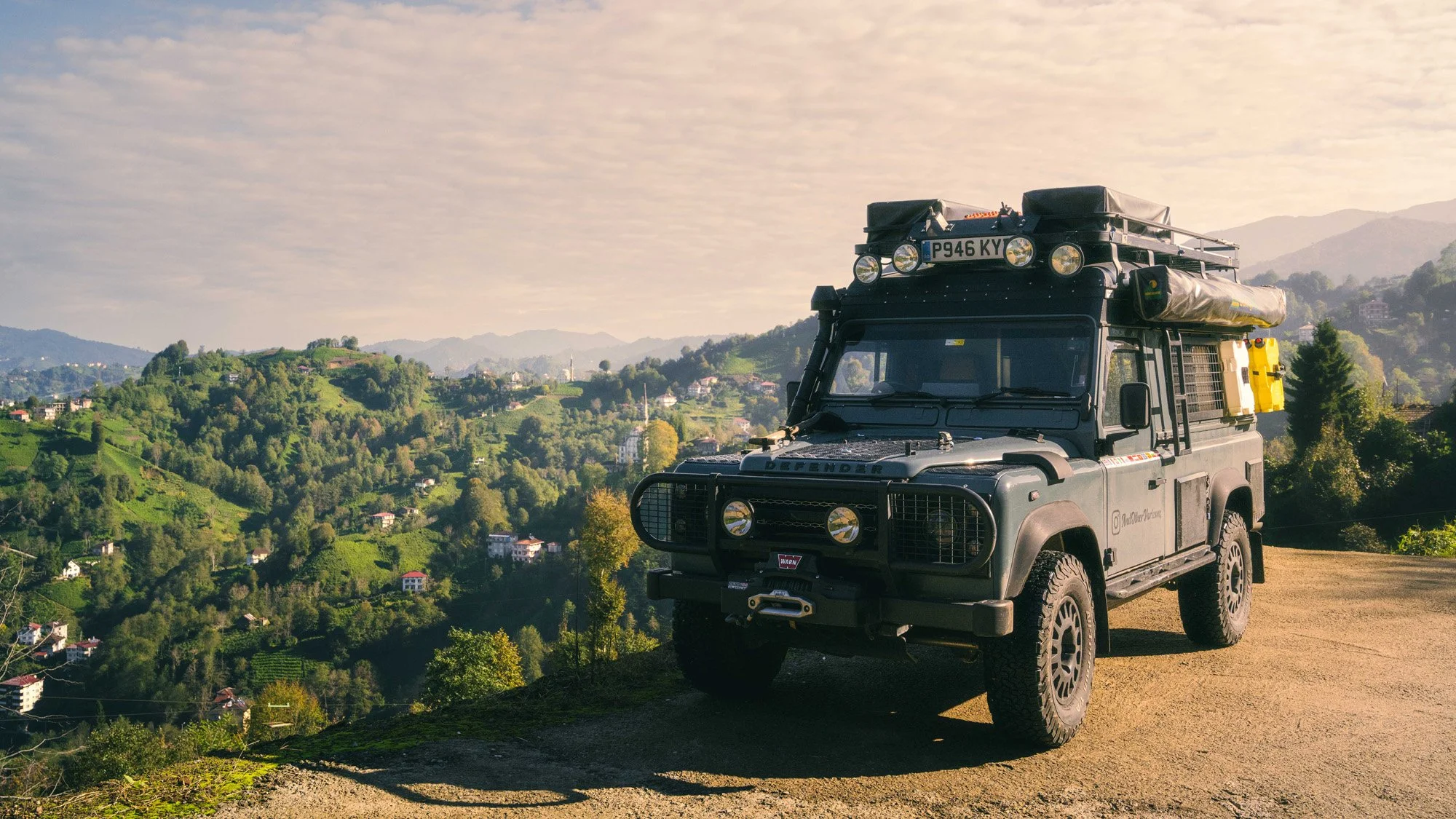
Surrounded by the rolling hills of Haremtepe
But even in that high-octane daily grind, there is a quiet beauty. We sat in the Haramtepe hills, mesmerised by the mosques that soar ever upwards. Beacons to the heavens above, that reach far beyond their mortal sea of green.
It was our first signal that in the East, the extraordinary is hidden in the mundane.
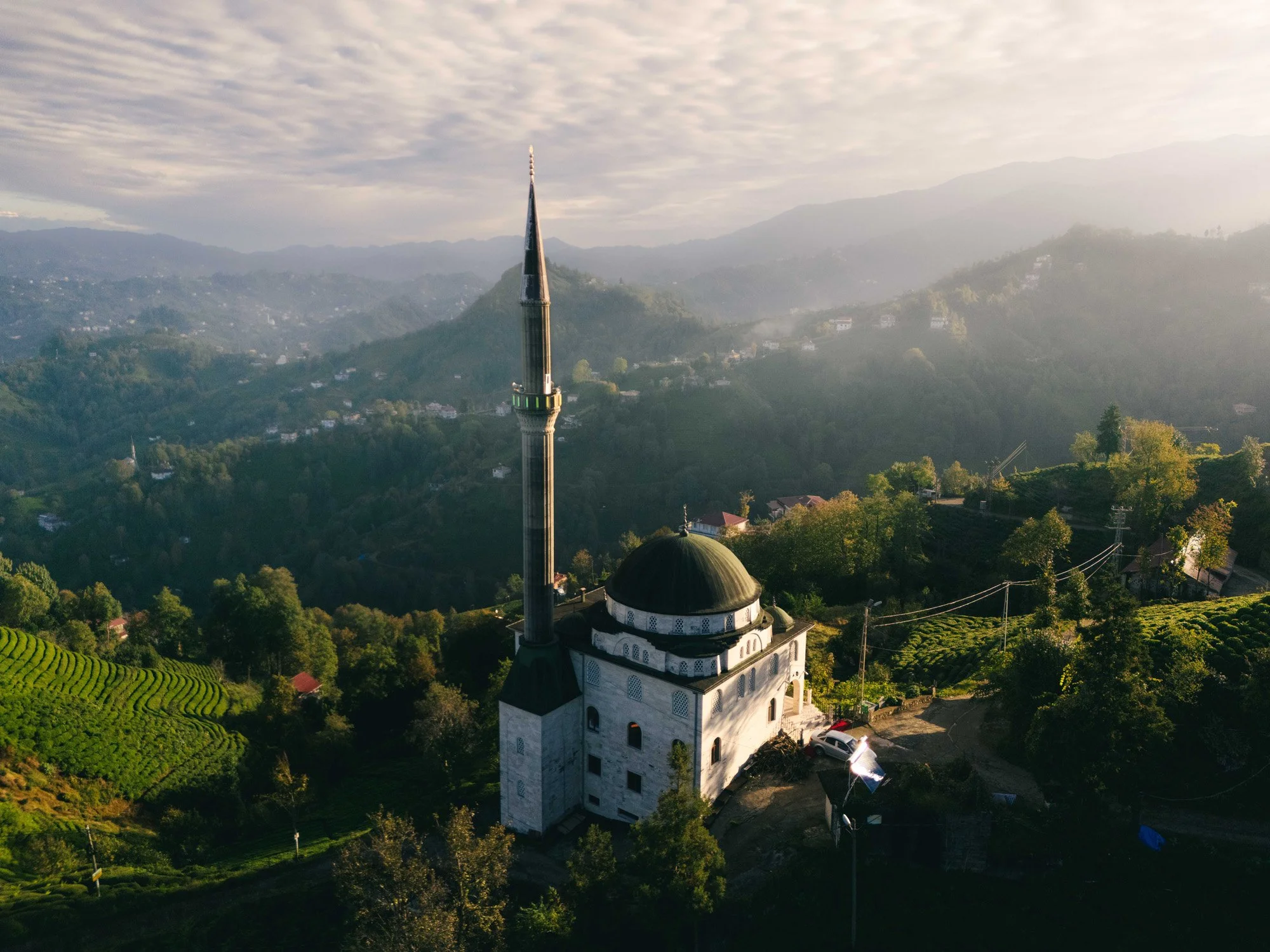
The beauty of Haremtepe is present on every flank of green
The Thrill of the Scar: Navigating the Tas Yolu Stone Road
From the green heights, we dropped into the jagged limestone of the Karanlik Kanyon. We had come for the "Tas Yolu" — the Stone Road.
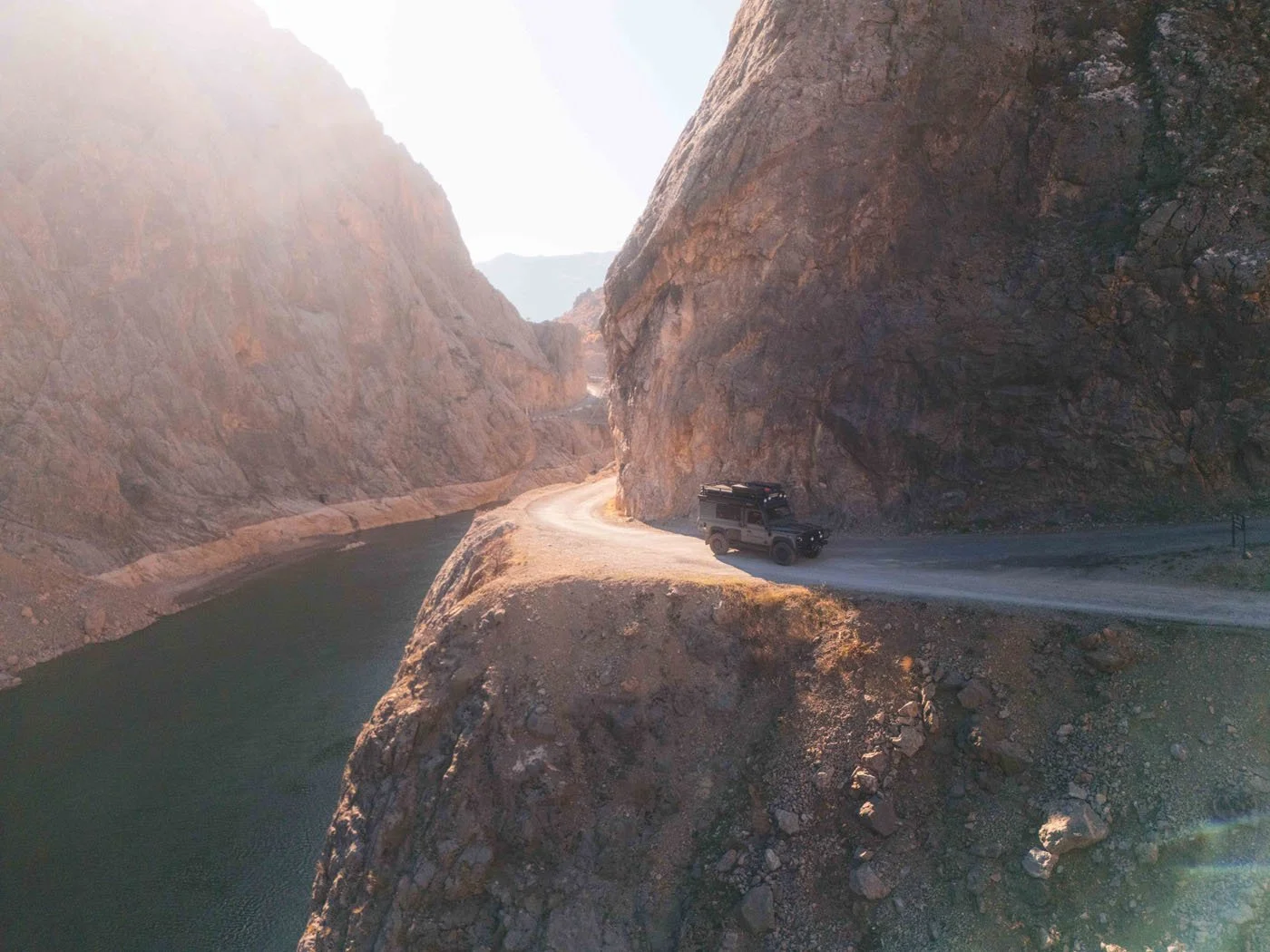
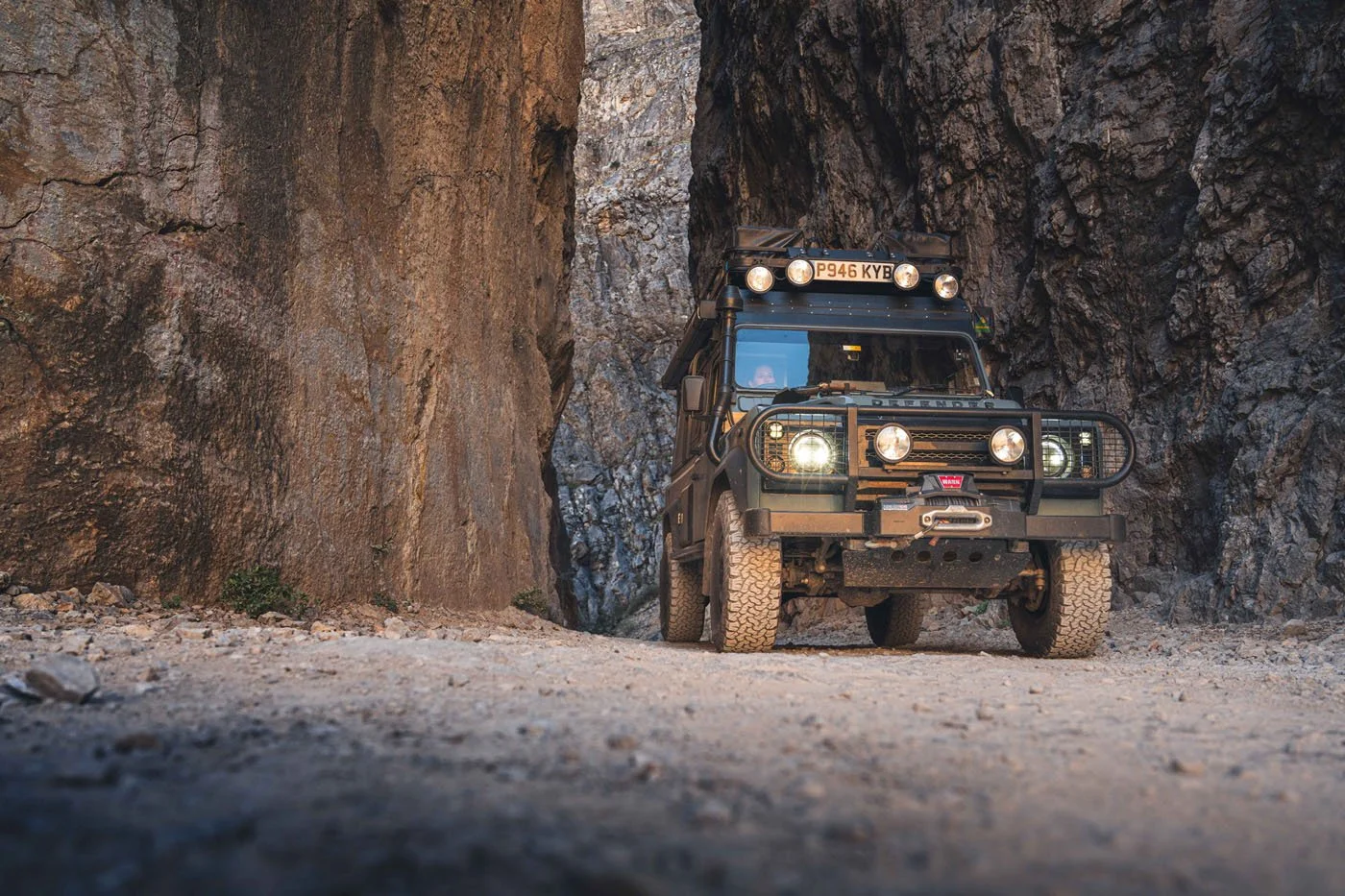
To call it a road is an understatement; it is a spectacular, hand-carved scar in the vertical cliffs, a testament to the sheer grit of the locals who laboured for over 130 years to ensure their community wouldn't be cut off by the canyons.
Navigating its 38 unlit tunnels in our Land Rover, Sully, was a sensory awakening.
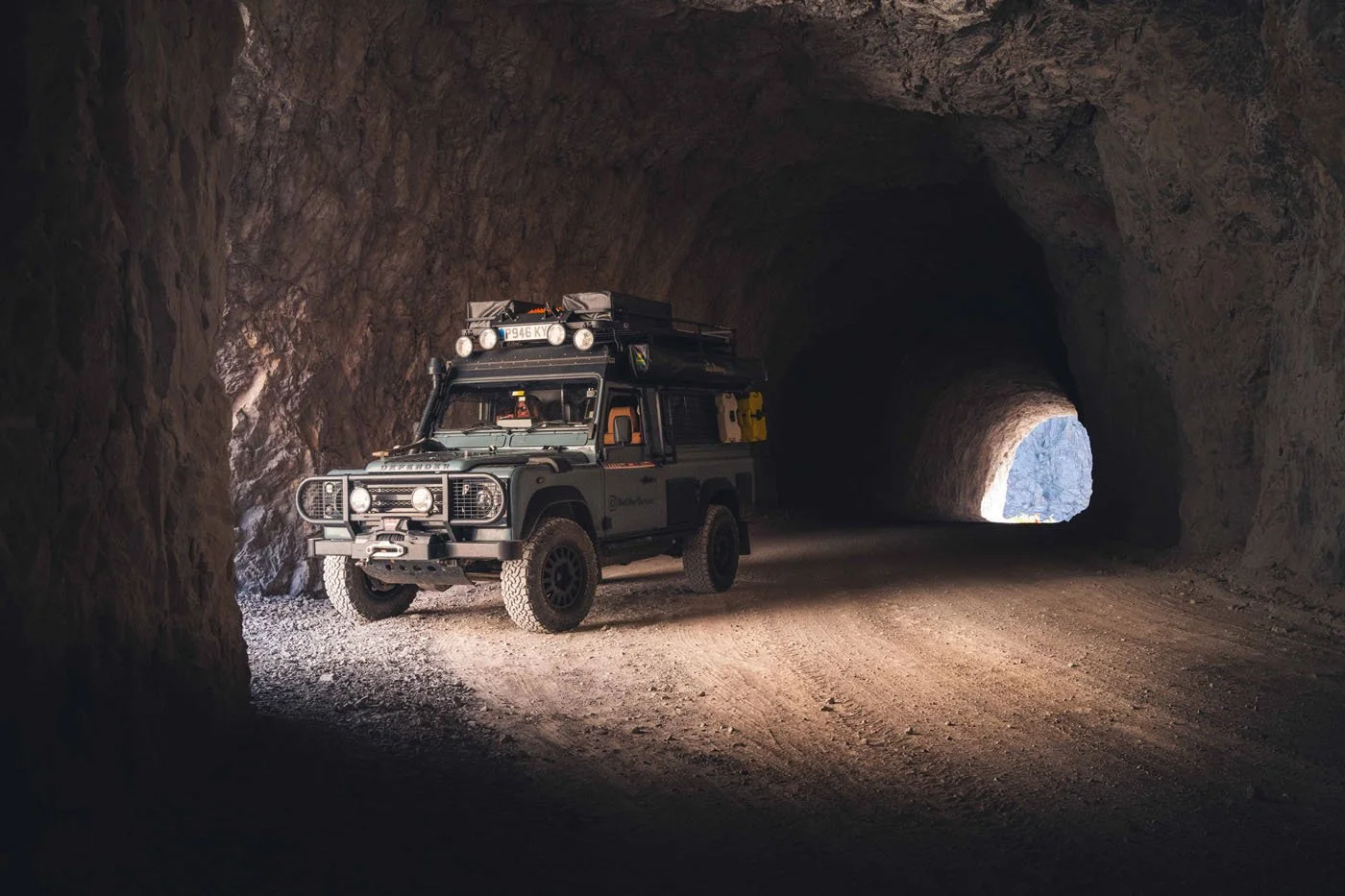
Just one of the 38 hard-carved tunnels
Inside the tunnels, the darkness is absolute, punctuated only by hand-carved "windows" that look out into the abyss.
With the Euphrates River glinting hundreds of meters below, only inches between our tires and the edge, the world becomes immediate.
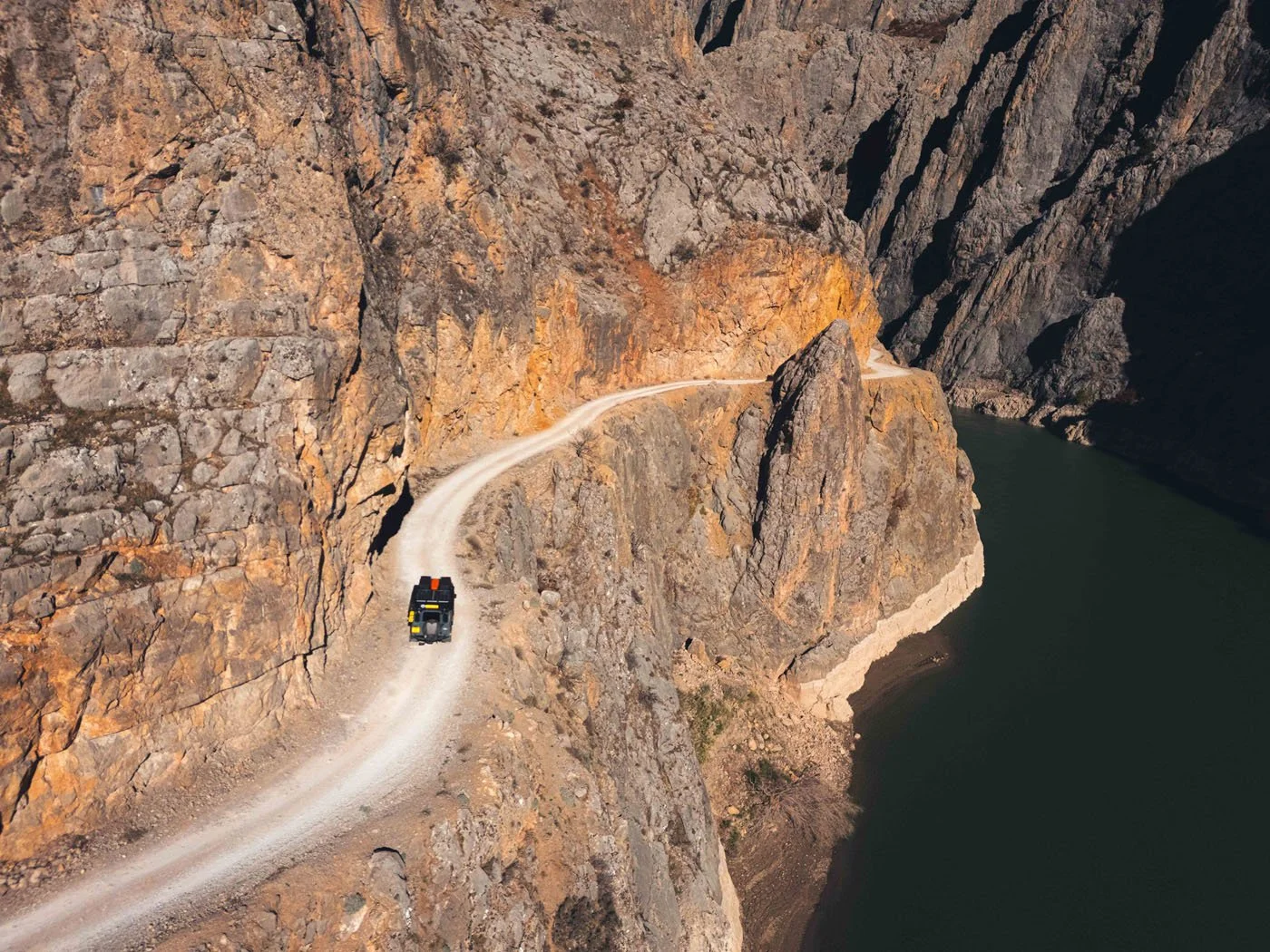
Making slow progress along the thin ribbon of gravel
You aren't just observing a landscape; you are part of its physical challenge.
It’s the kind of thrill that reminds you why you leave the safety of your living room: to feel the raw, unscripted scale of the earth and the ingenuity of the people who call it home.
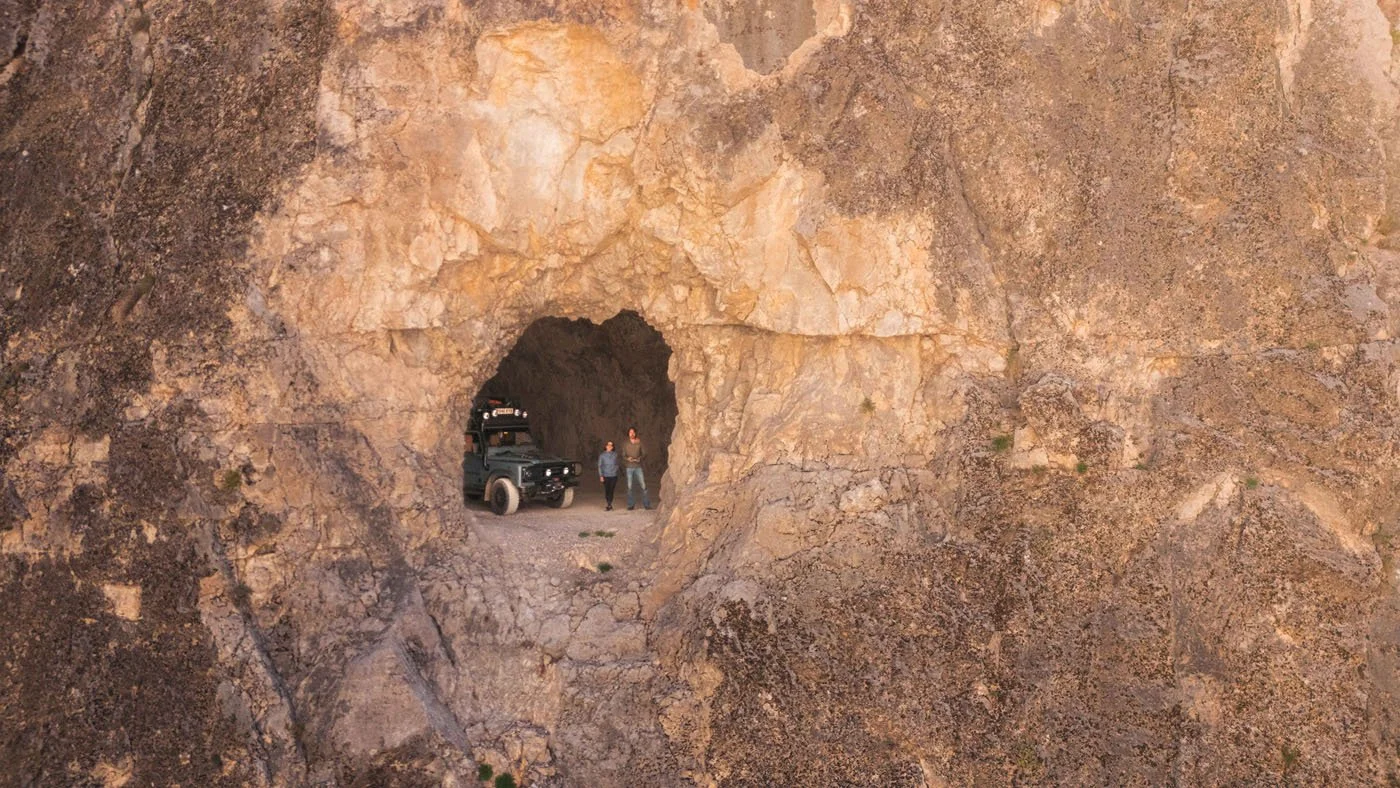
Taking a breath at one of the ‘windows’ through the rock
The Sentinel of the East
As we pushed further toward the borders, the landscape flattened into the high, windswept Budakli plain. Here, the rhythm of life is dictated entirely by the land.
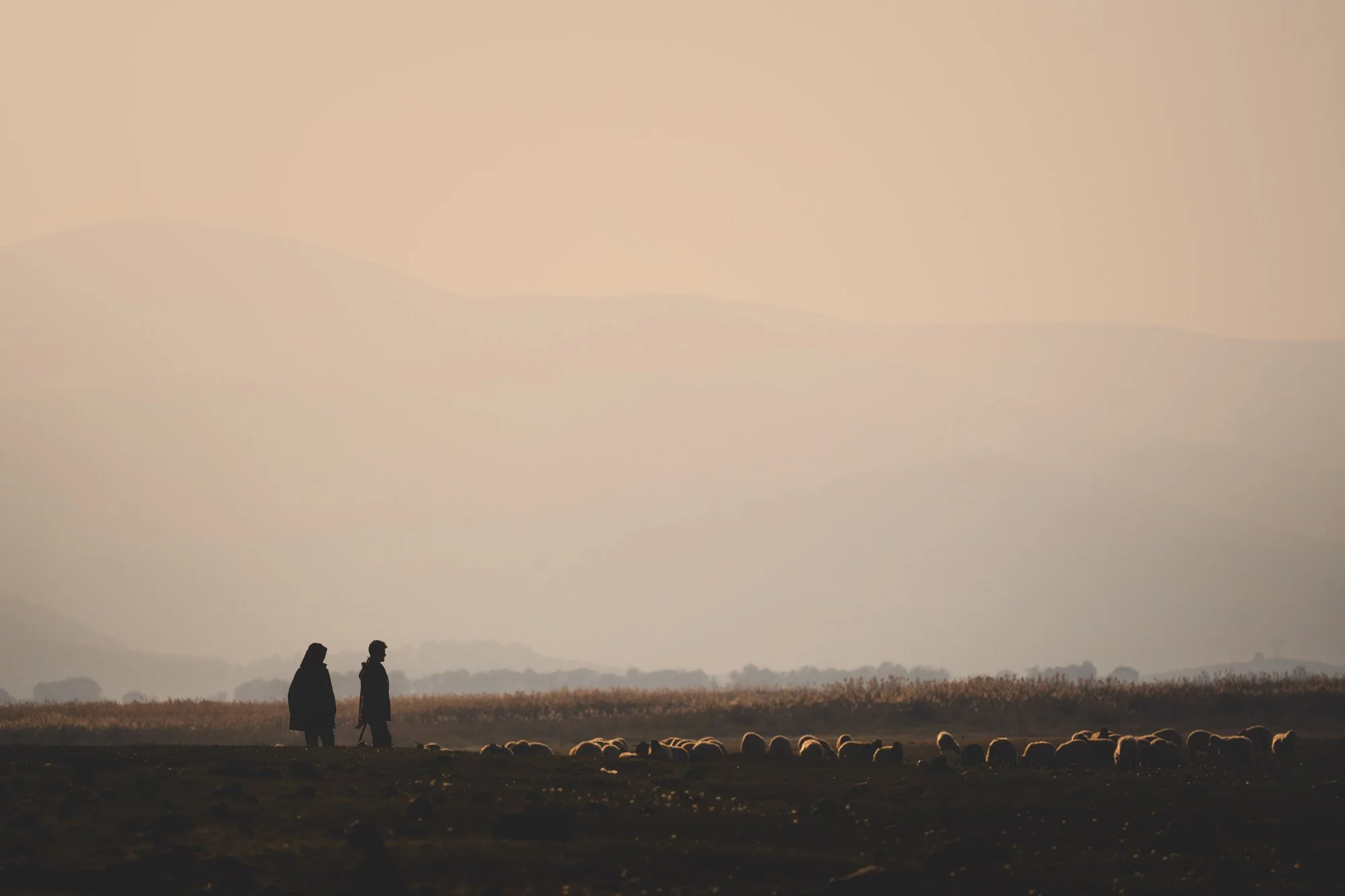
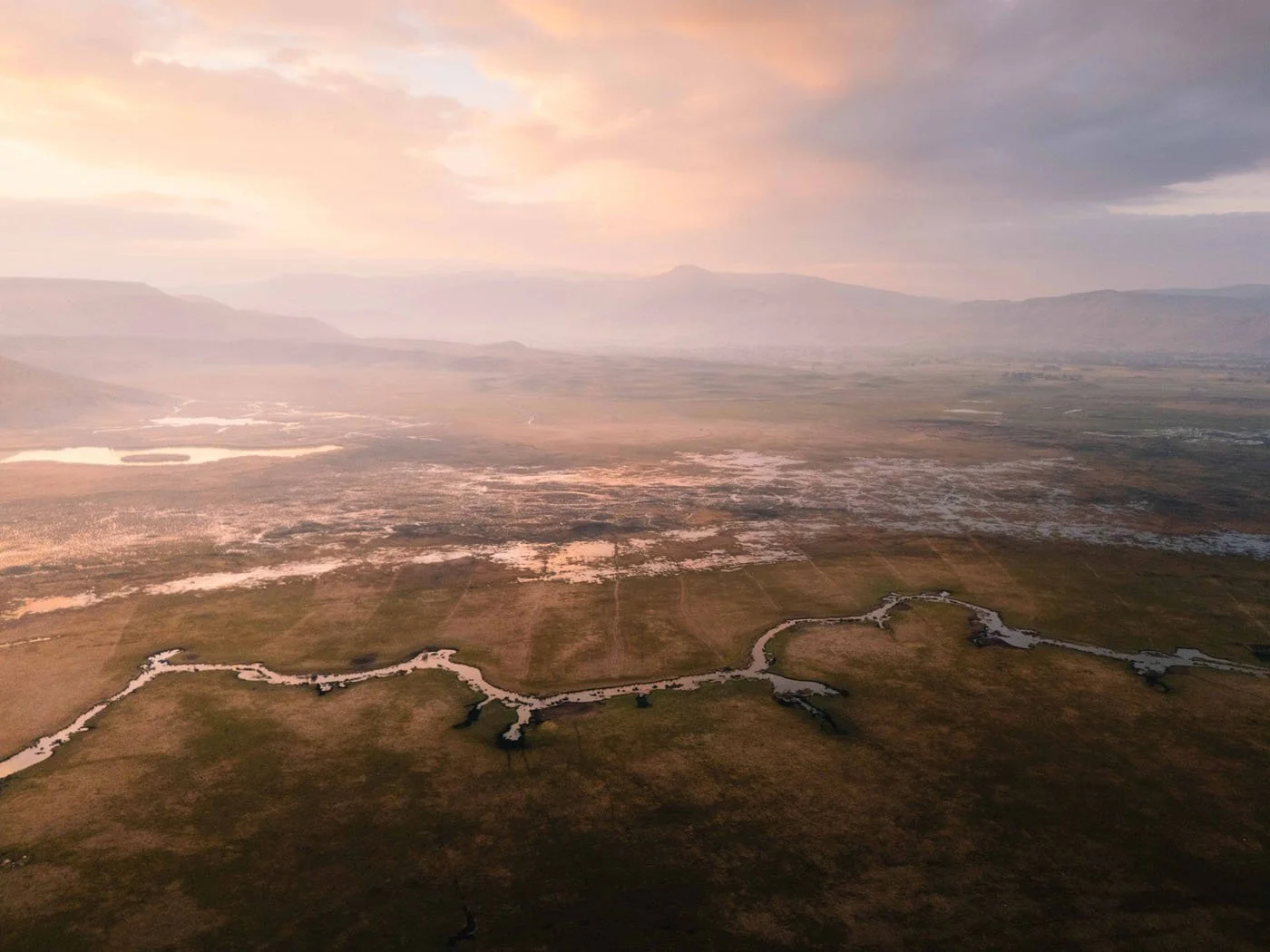
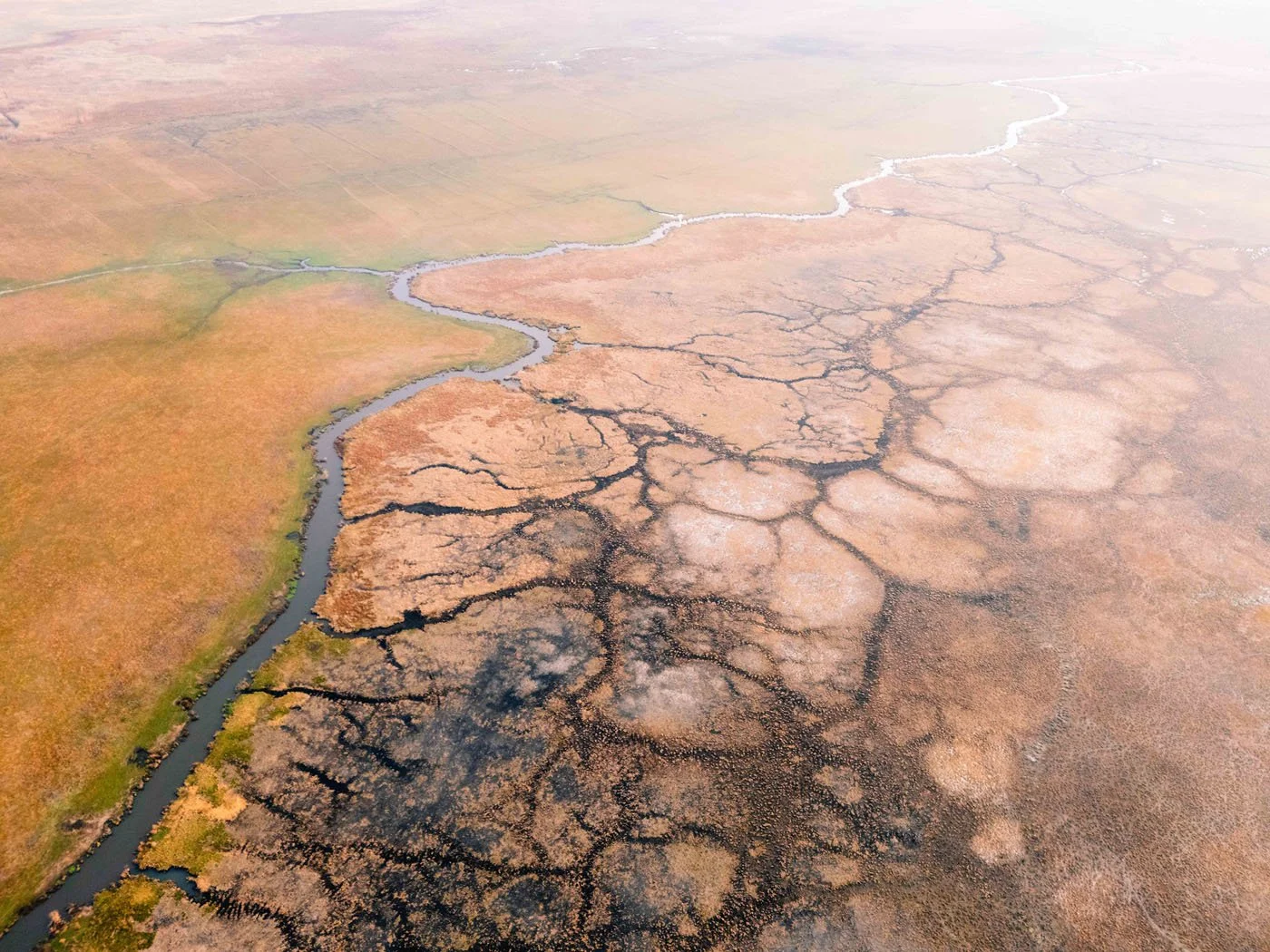
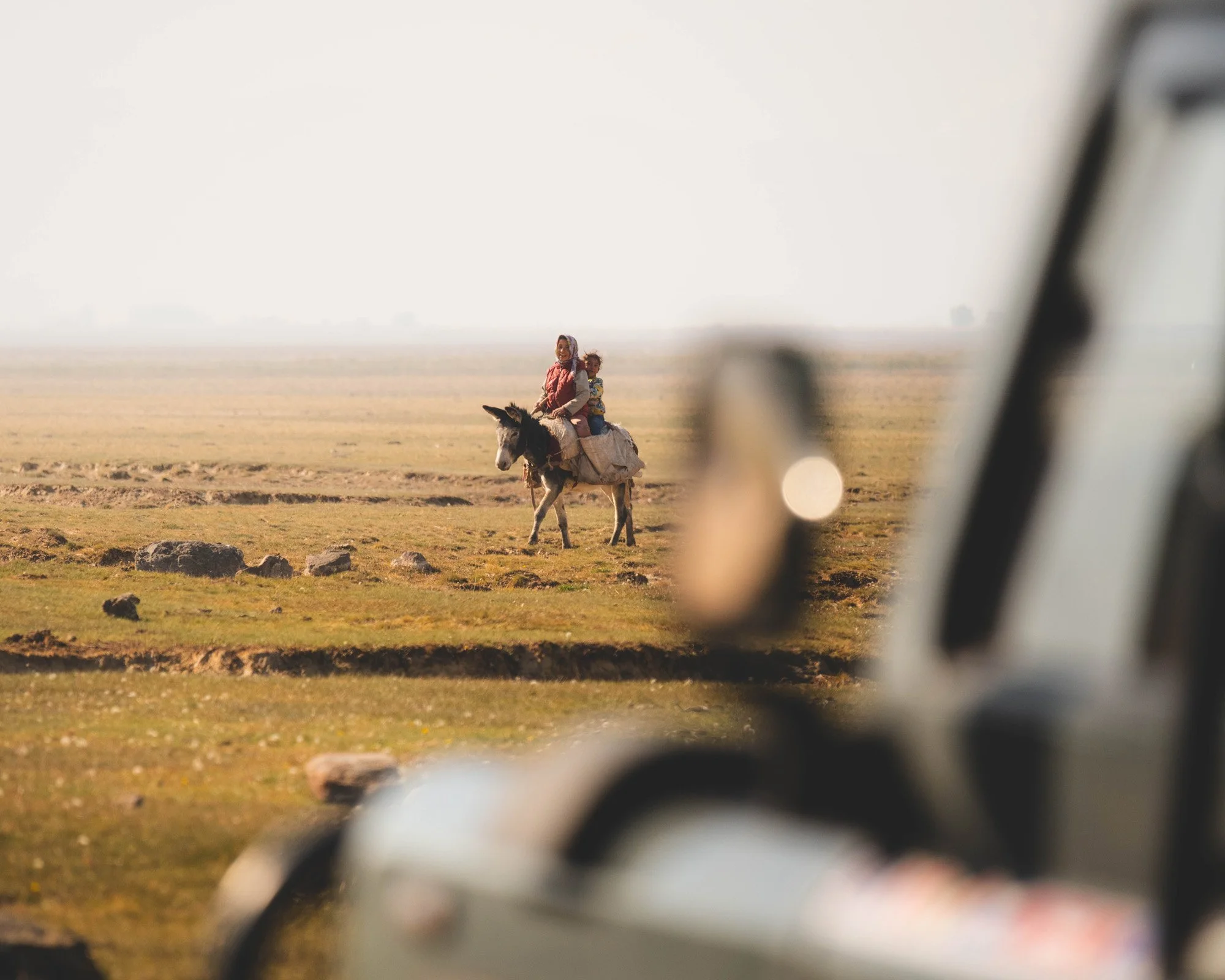
We watched shepherd girls crossing the expanse with their flocks, their silhouette’s small against the looming presence of the high mountains all around.
Further East and Mount Ararat emerges.
It is more than just a mountain; it’s a snow-capped sentinel that dominates the horizon, a legendary resting place that demands silence.
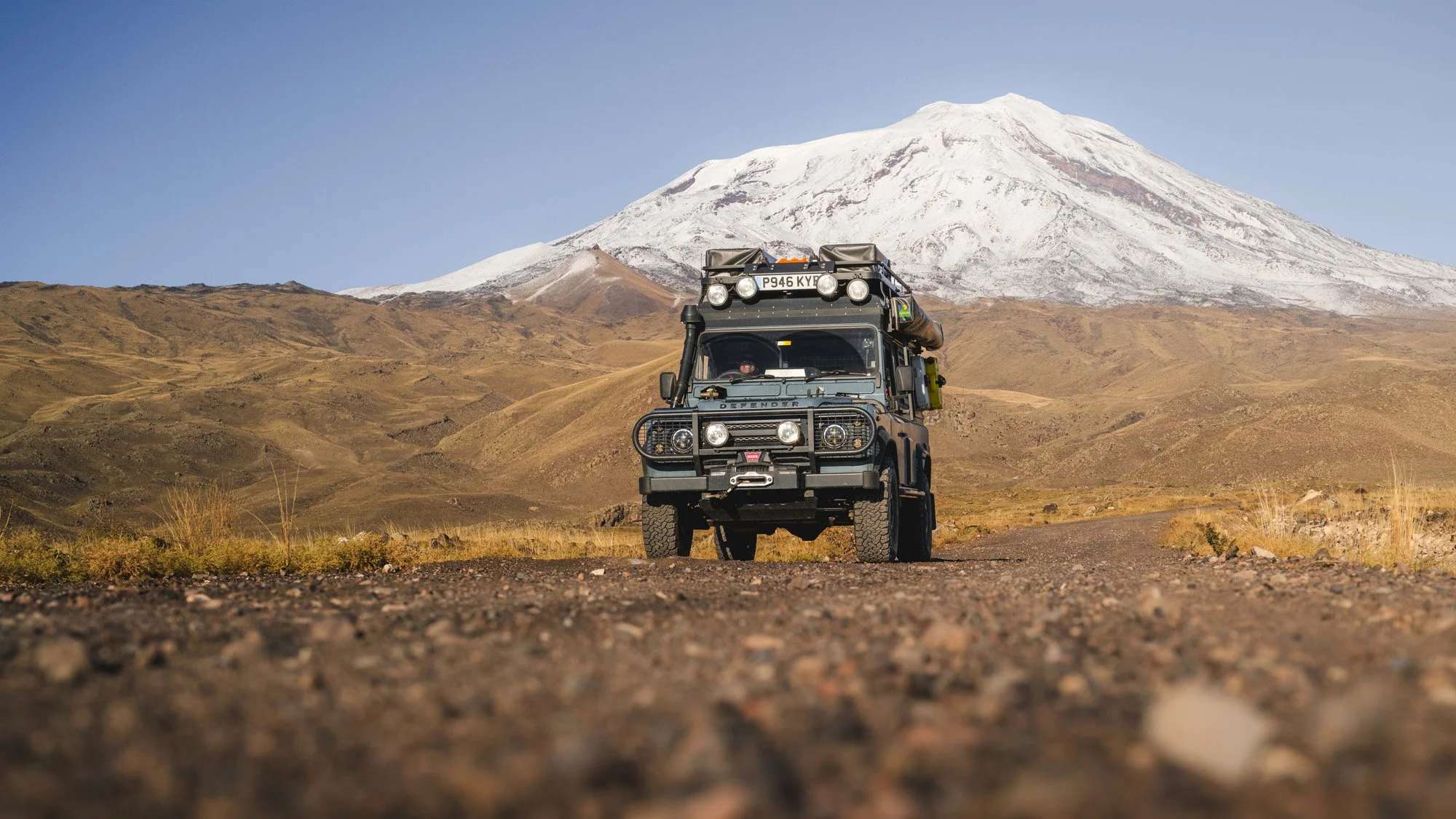
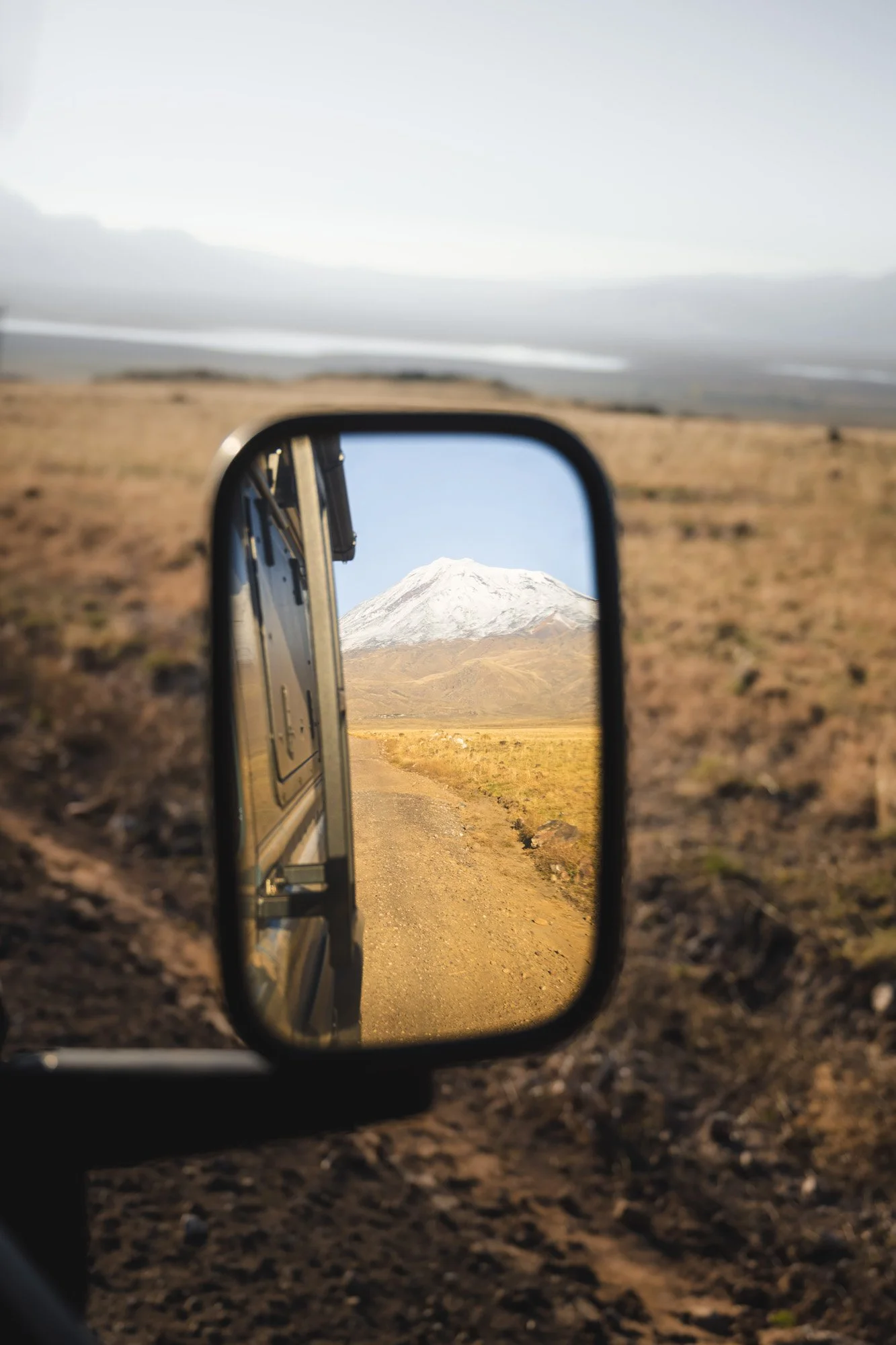
We spent nights camped on its precipitous flanks, where the only movement was the ripple of the grass in a relentless, ancient wind.
Standing in that emptiness, you realise that the best "souvenirs" aren't things you buy, but the quiet realisations you find in the solitude. The way you simply start noticing the beauty of rhythm — the way the low sun catches the dust kicked up by a passing tractor, or the steady, welcoming gaze of a local villager who offers you tea before they even ask your name.
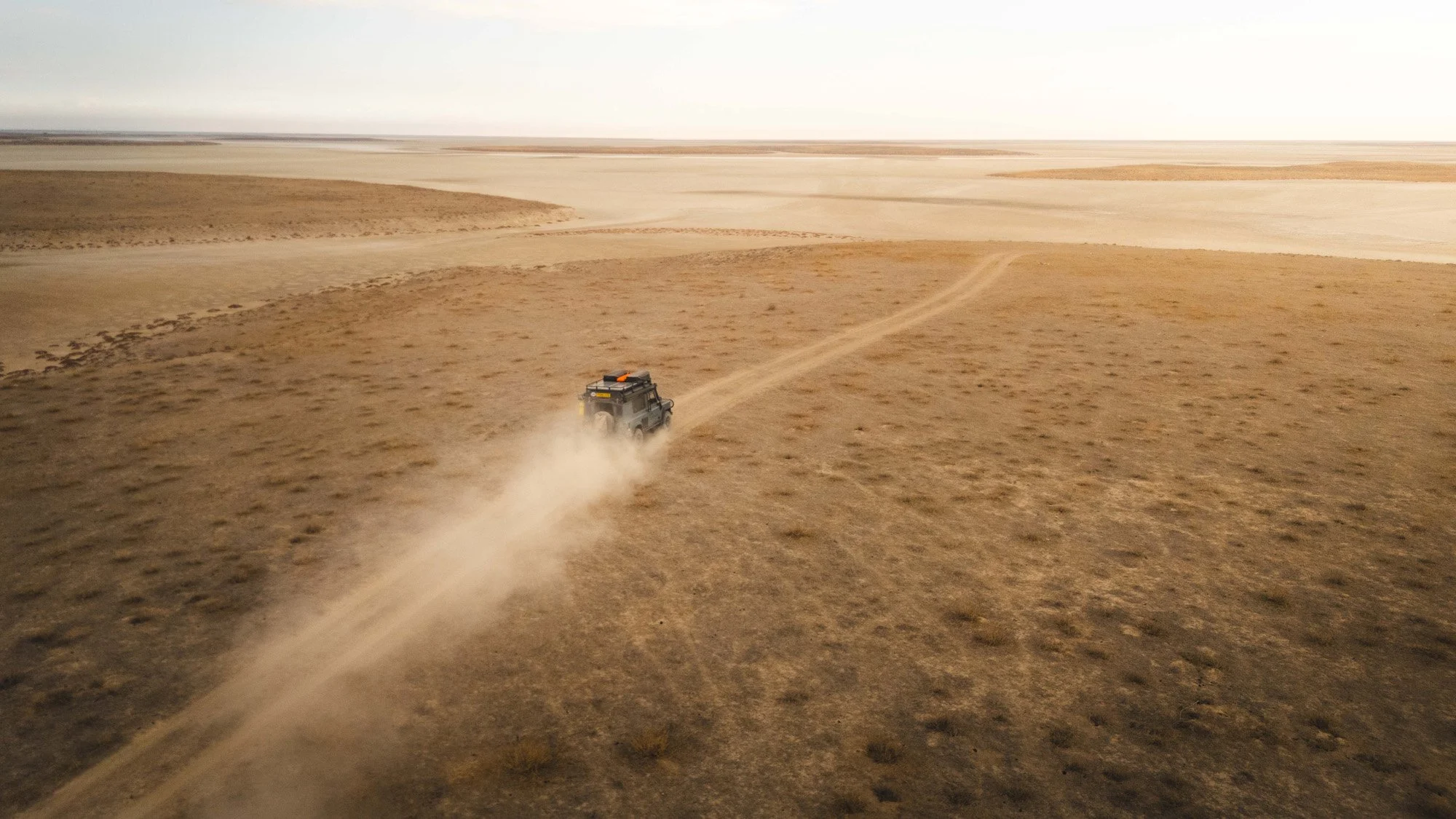
Driving through the dust to elsewhere…
The Golden Light of Mesopotamia
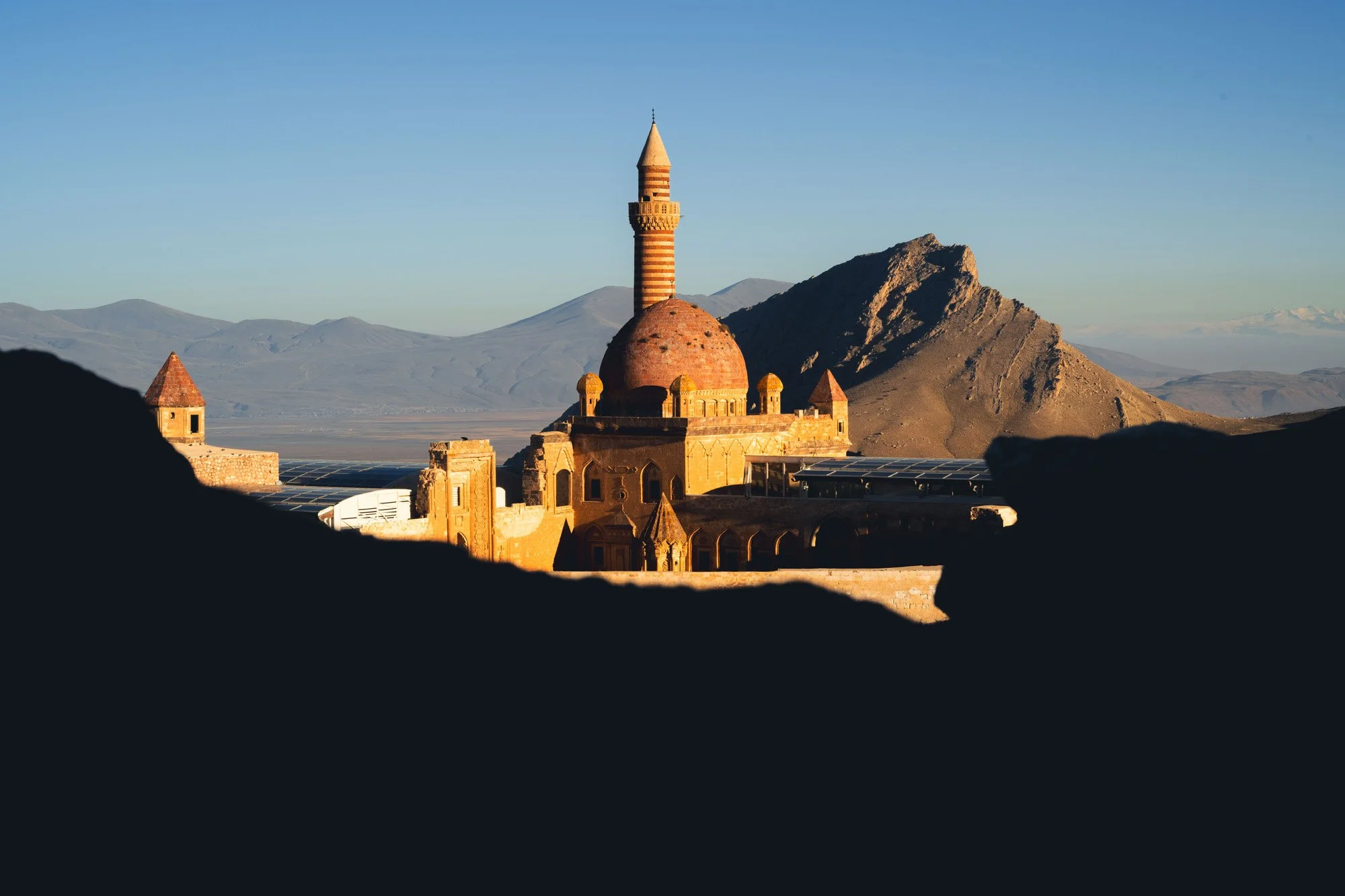
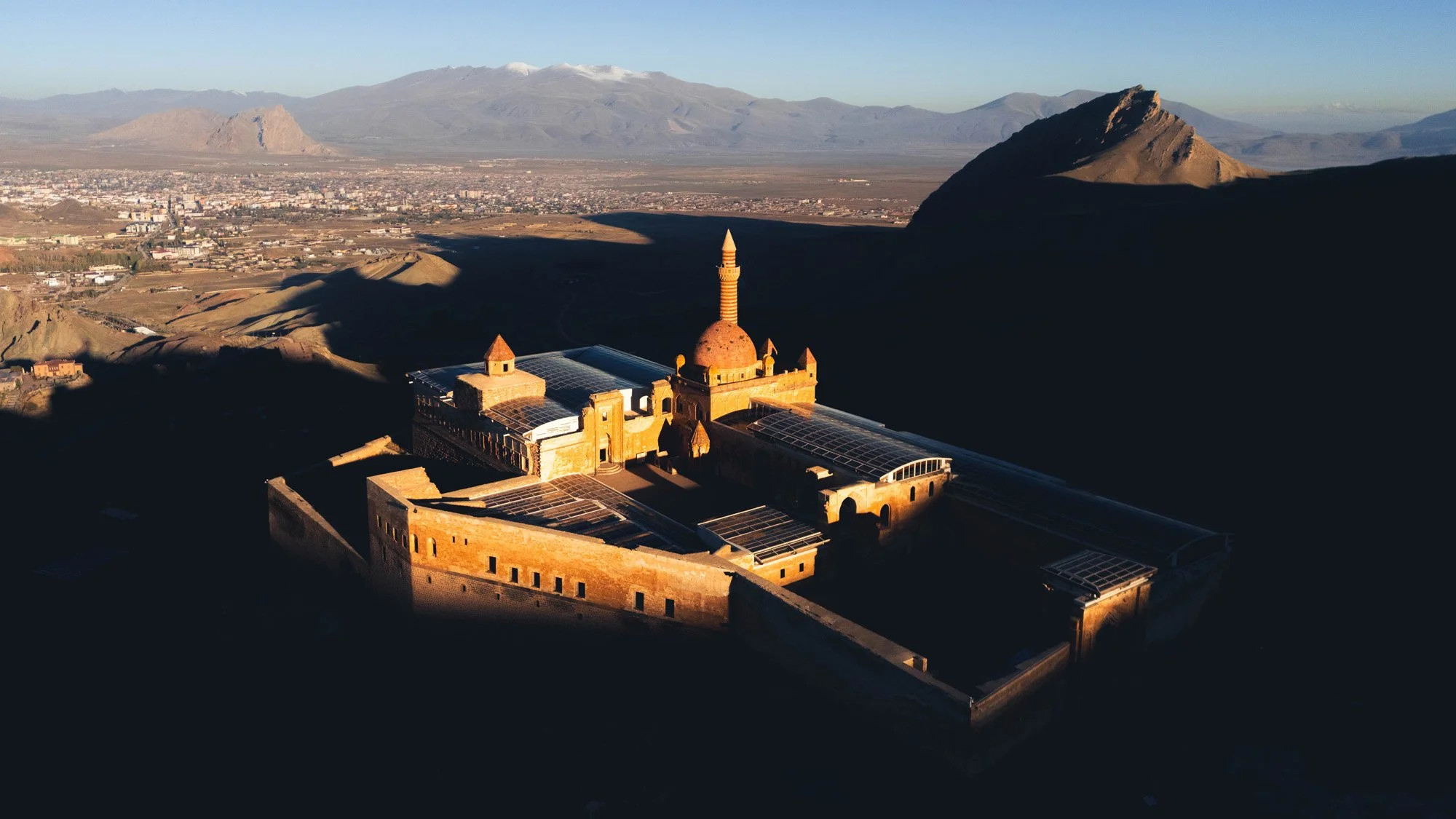
Our wonder reached its peak as we arrived at the gateway of the East: the Ishak Pasha Palace.
Nestled on a cliff, its intricate stonework and elaborate carvings felt like a dream of the Silk Road. We arrived at sunrise, watching the first light carve deep, high-contrast textures into the Ottoman-era arches.
And then it was time to head South, our journey culminating in the ancient stone arteries of Mardin.
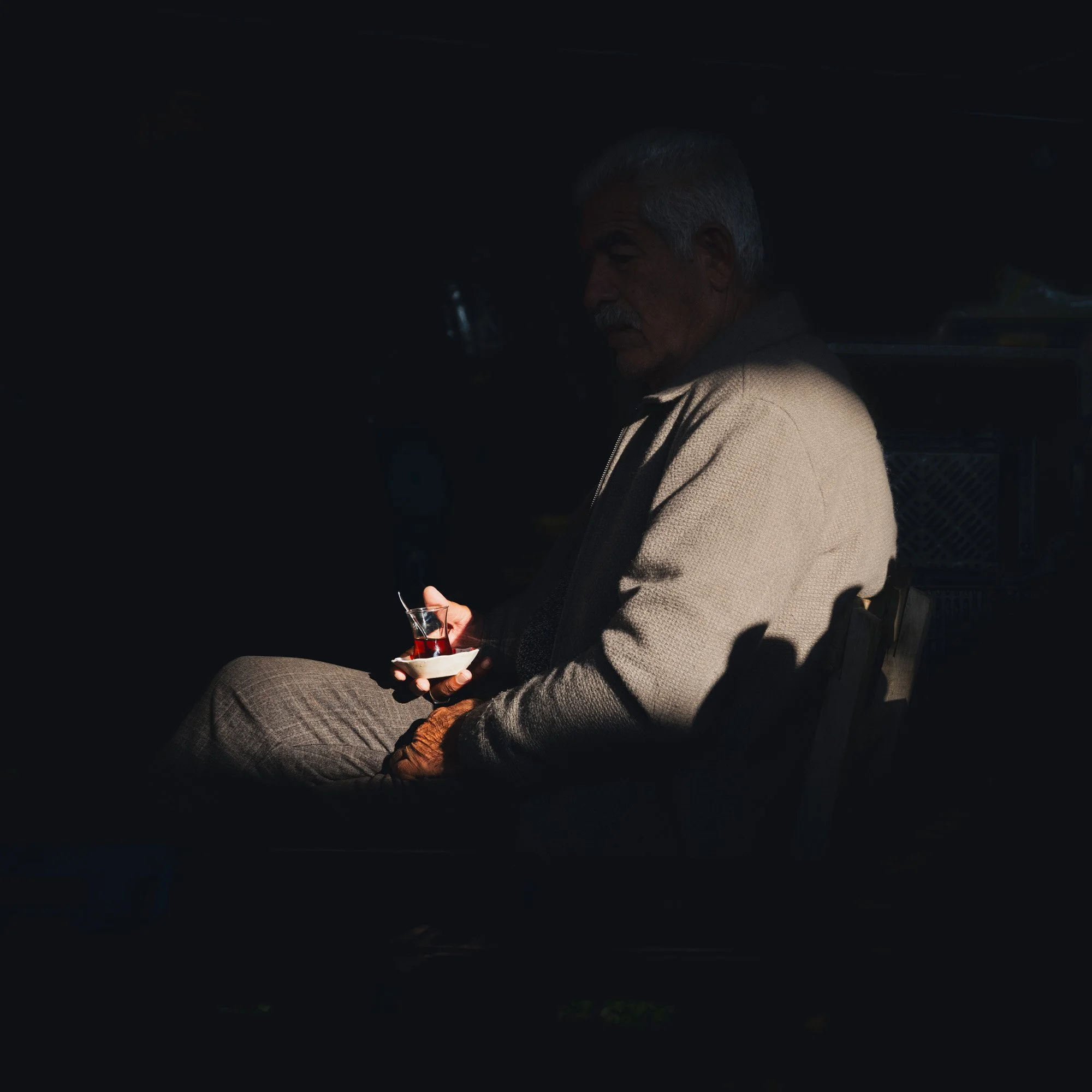
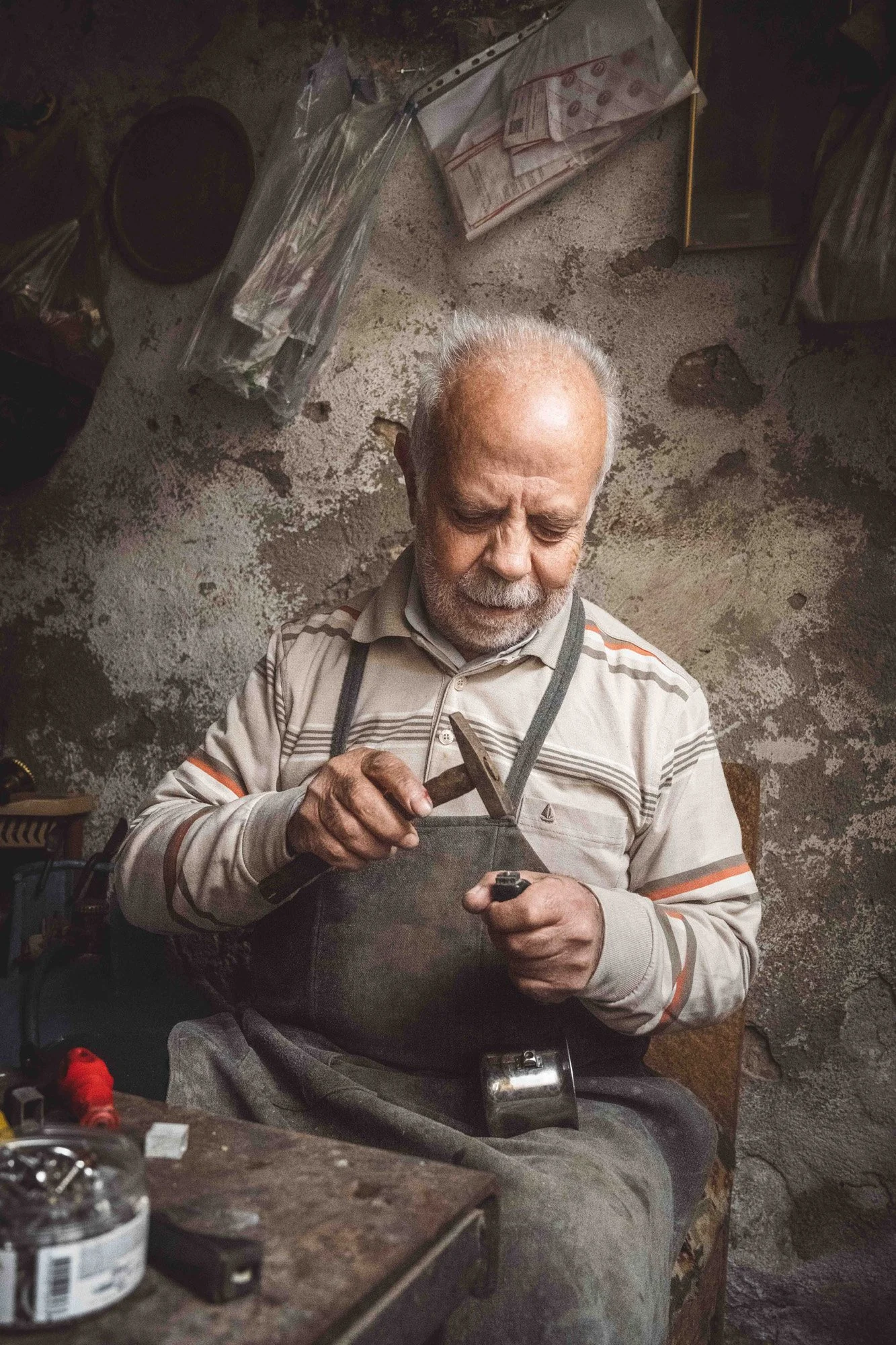
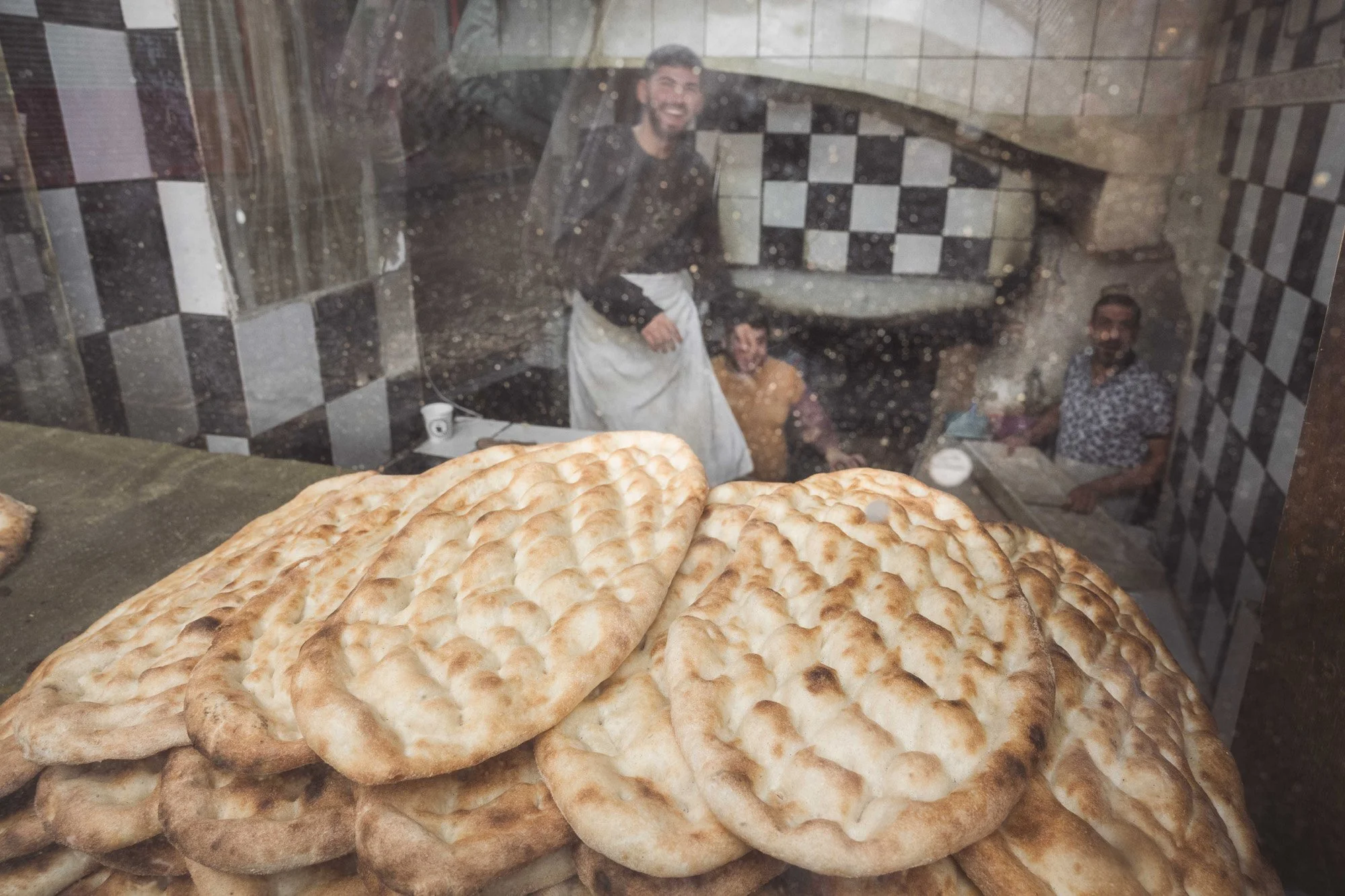
Perched high on a hill overlooking the endless plains of Mesopotamia, Mardin feels like a city crafted entirely out of history. Its honey-coloured stone alleys are a labyrinth of discovery, where the soundtrack is the rhythmic "clink-clink" of coppersmiths’ hammers, the smell of freshly baked pide bread and the sight of the Turks drinking endless glasses of tea.
Just south of the city, the ruins of Dara linger.
Walking among the Roman-era rock-cut tombs and the massive underground cisterns without another soul in sight, truly feels like stumbling into a secret world.
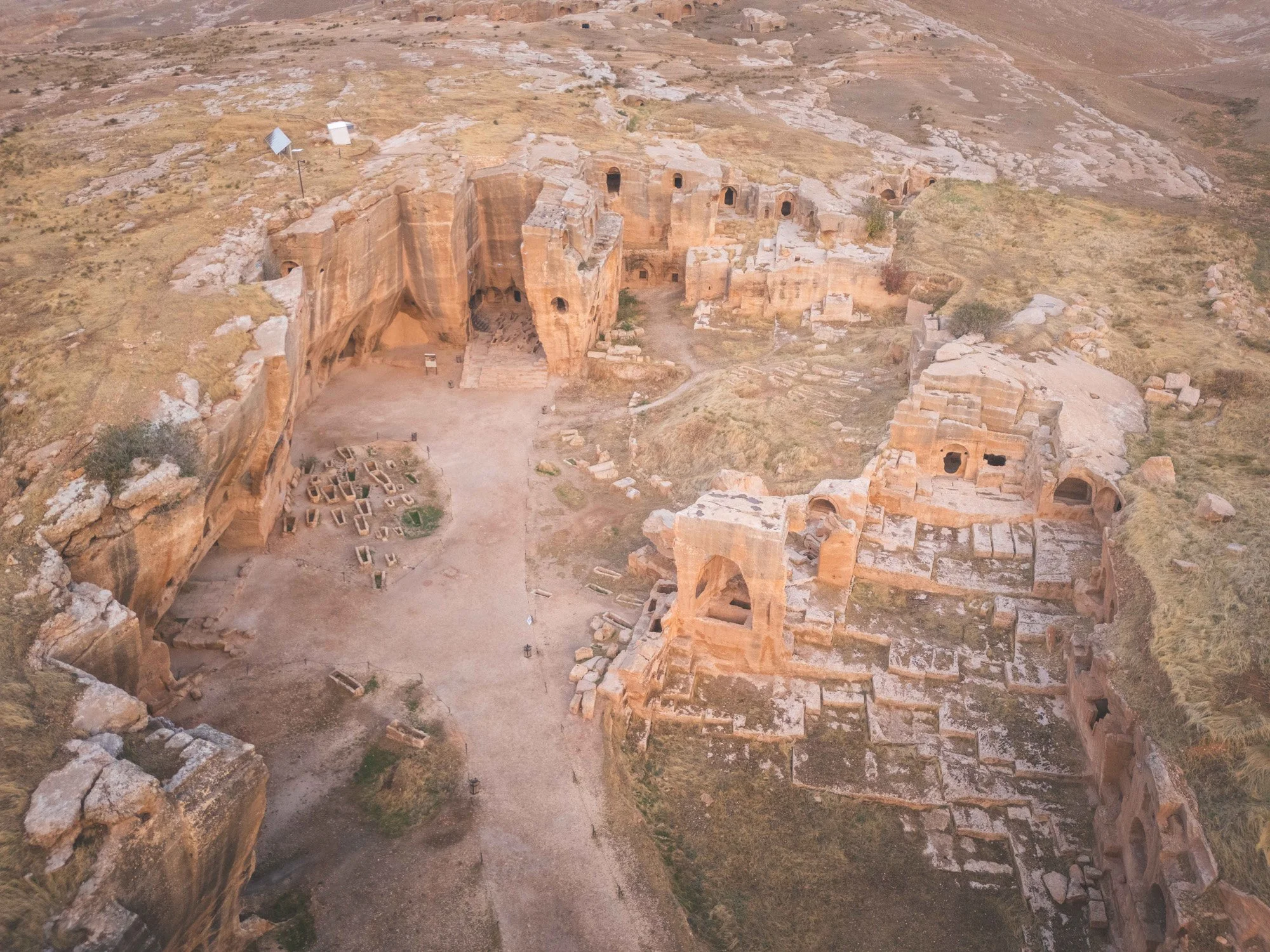
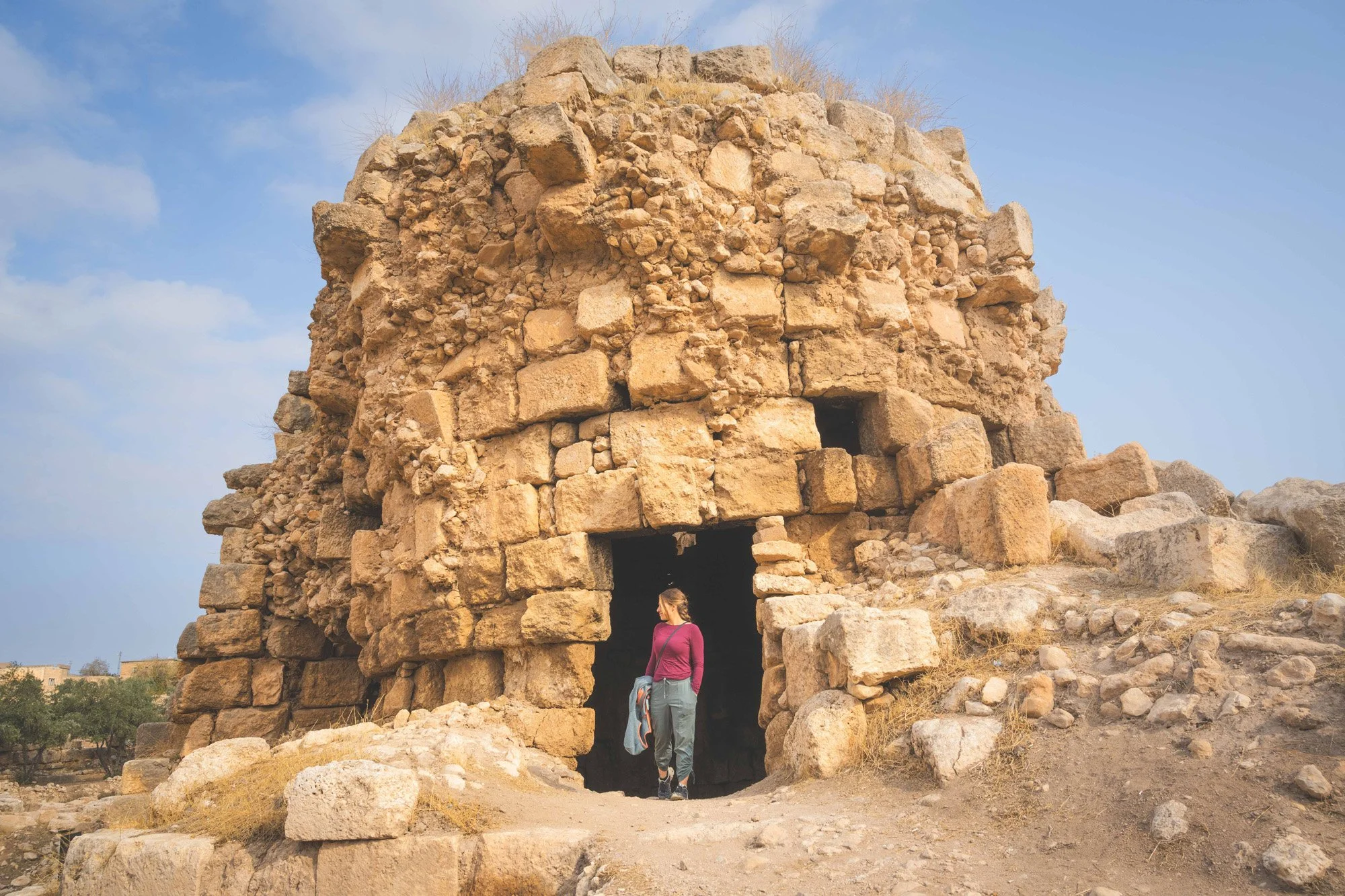
Unlike sterile archaeology, the modern-day city of Dara carries on right amidst the ruins.
We saw children playing on 1,500-year-old stone steps and laundry drying against Byzantine walls. It’s a place that humbles you with its age, yet inspires you with its persistence.
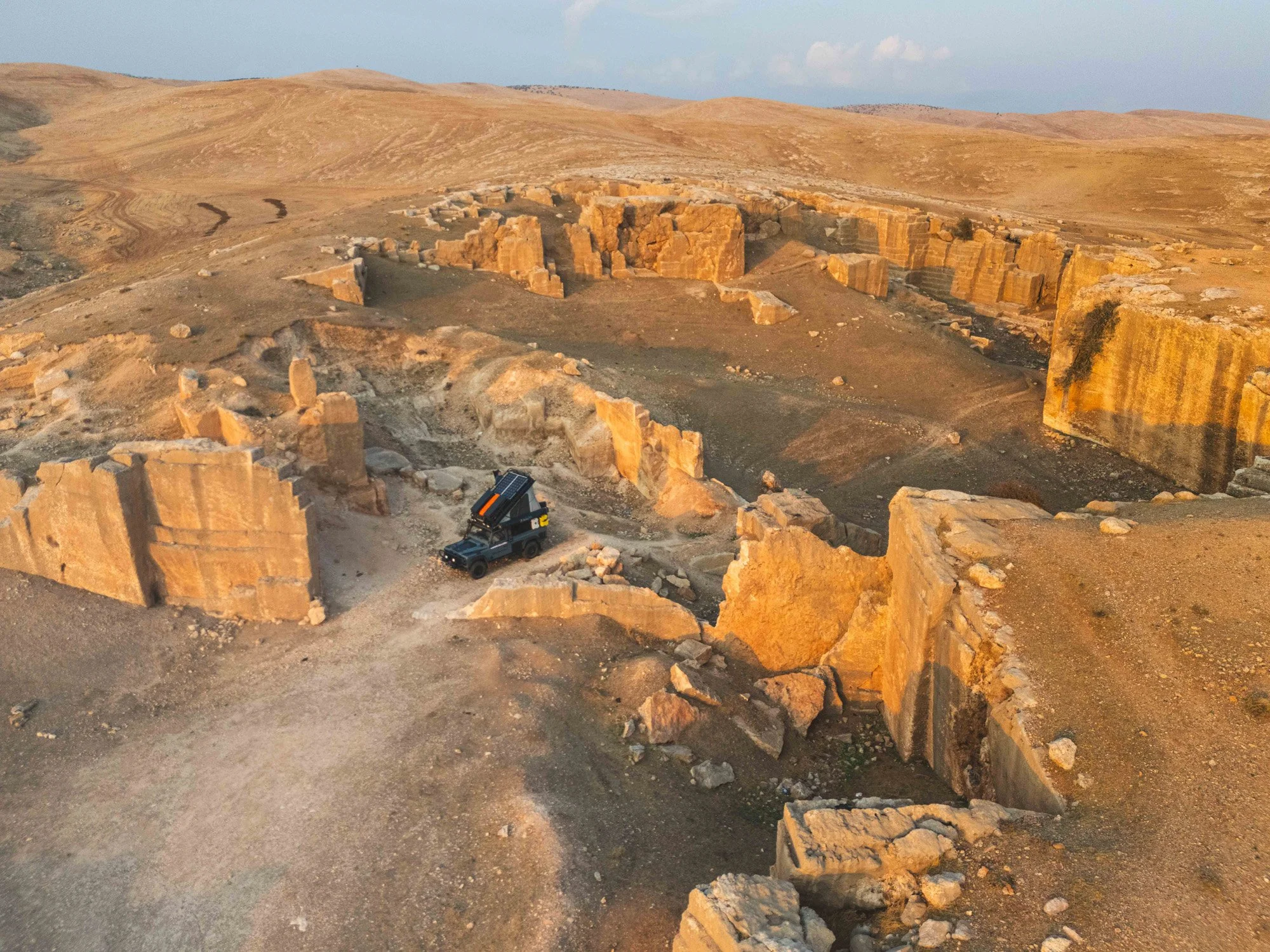
Camping in a quarry that built the ancient city of Dara
The Soul in the Silence
My most vivid memory of Türkiye isn't a famous monument or a dramatic canyon. It was a quiet morning on a rooftop in Mardin.
I sat watching hundreds of pigeons circle a weather-beaten minaret as the call to prayer began to echo across the Mesopotamian plains, only to be answered by more minarets further down the hill.
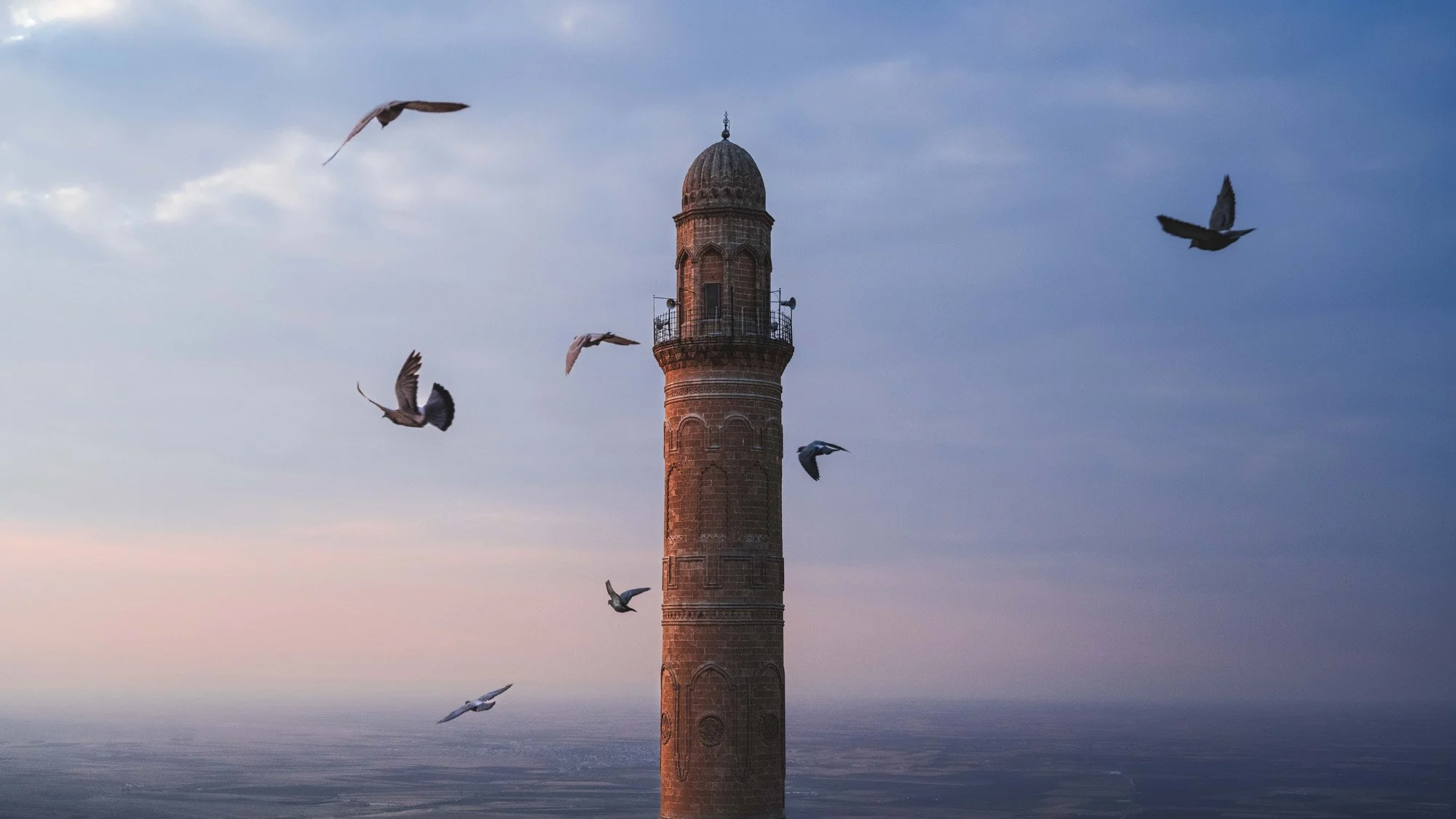
The perfect mundane of Mardin. A Minerat and the pigeons.
There was no "planned" beauty there — just a fleeting, joyful burst of life against the permanent, sun-scorched stone of history.
That is the true "wonder of wandering."
It’s the realisation that when you stop hunting for the highlights, you give yourself the permission to find the soul of a place — those small, poignant moments of truth that a postcard can never capture because they require you to be still enough to notice them.
Türkiye didn't just give us an adventure; it gave us a new perspective.
It showed us that if you are willing to take the untamed path — the long miles, the dust, the uncertainty — you earn the right to see a world that is still raw, real, and waiting to be discovered by so many.
That road has ended. That light has faded. But the wonder remains.
For those willing to drive into the rising sun, the heart of the East is waiting.
Cliff is a Visual Ethnographer; he travels Earth’s challenging environments to decode human psychology and capture authenticity with his camera. If you are ready to stop documenting what things look like and start capturing what they really mean, get the Signal in the Frame. Join the adventures on YouTube here.
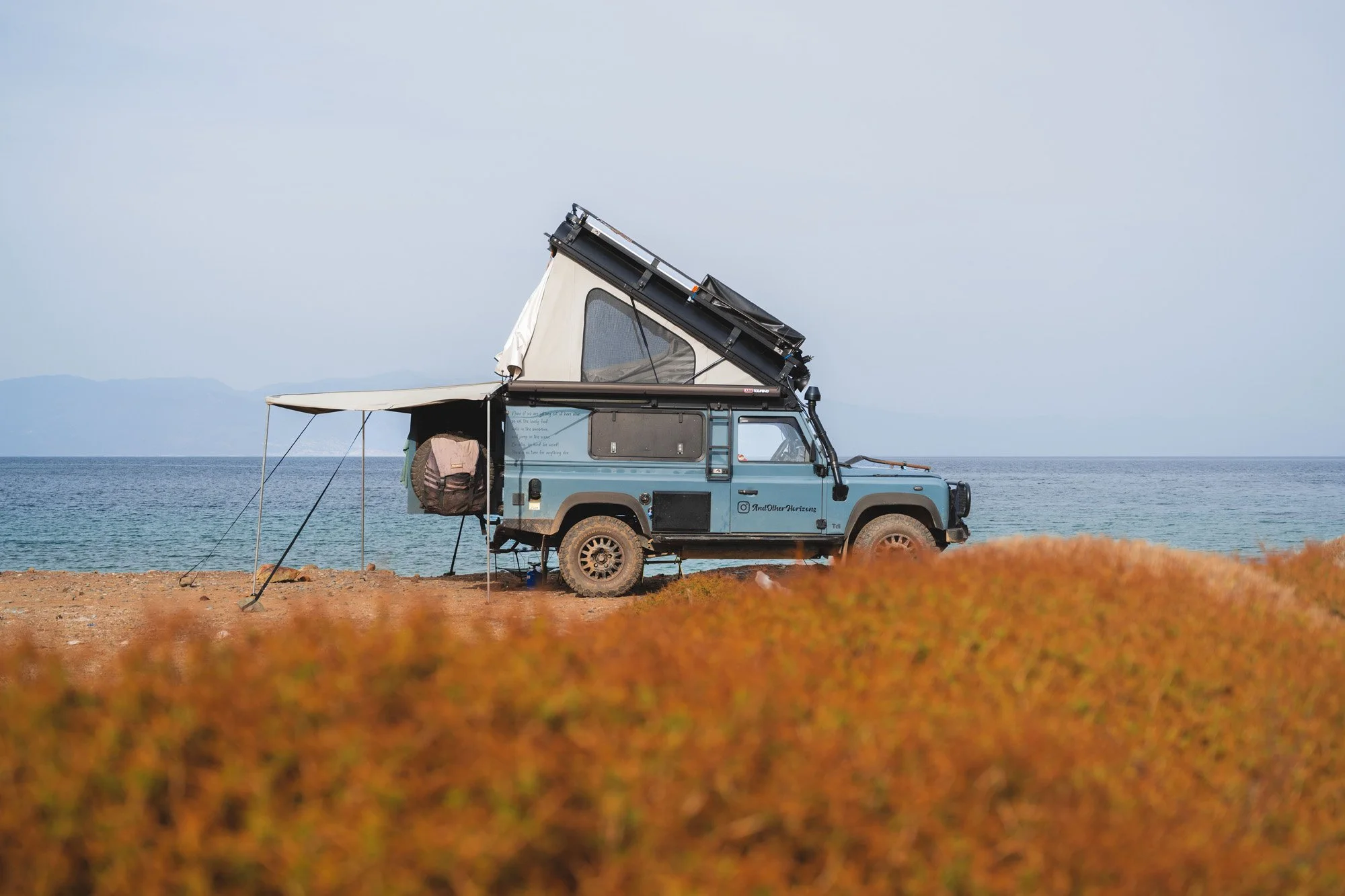
Our Land Rover Sully parked overlooking the Black Sea