
You’re taking photos wrong
Why your obsession with ‘storytelling’ is a mistake.
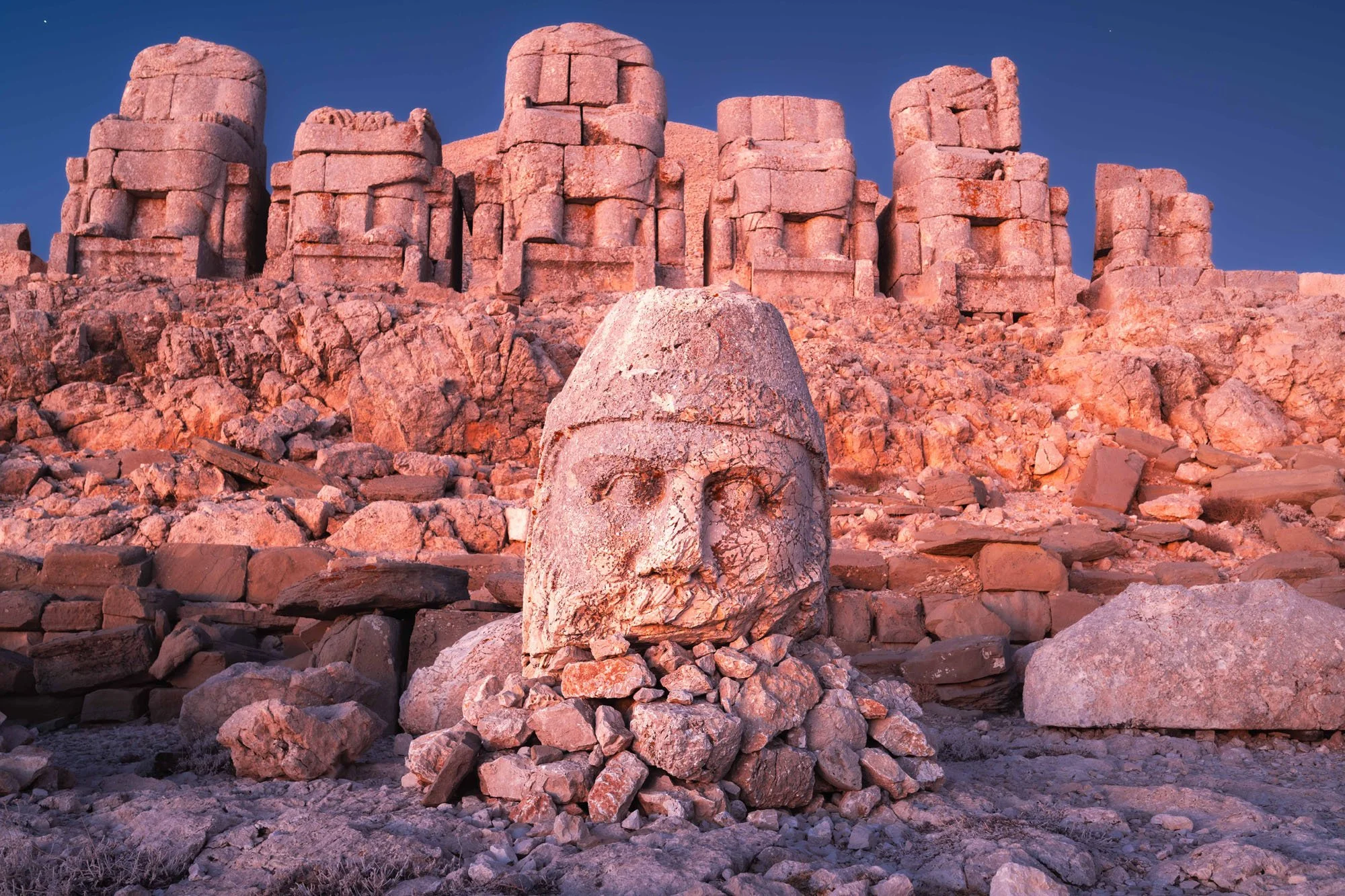
Mount Nemrut, Türkiye. It’s not my job to tell their story.
Mount Nemrut is a cemetery of stone egos. Colossal, severed heads of kings and gods litter the summit, staring blindly into the Mesopotamian wind.
It is an environment of silence and weight.
When I first arrived at the peak in Eastern Türkiye, I started building a narrative in my head. I wanted to capture the "loneliness" of the king, the "defeat" of the toppled gods, and the "heroic" endurance of the stone against the centuries.
I was hunting for a story that didn't exist. The stone heads weren't "lonely"—that was just my own emotional baggage projected onto the boulders.
By trying to force a story onto the frame, I was trying to make the scene feel "digestible" for a viewer I hadn’t even met yet.
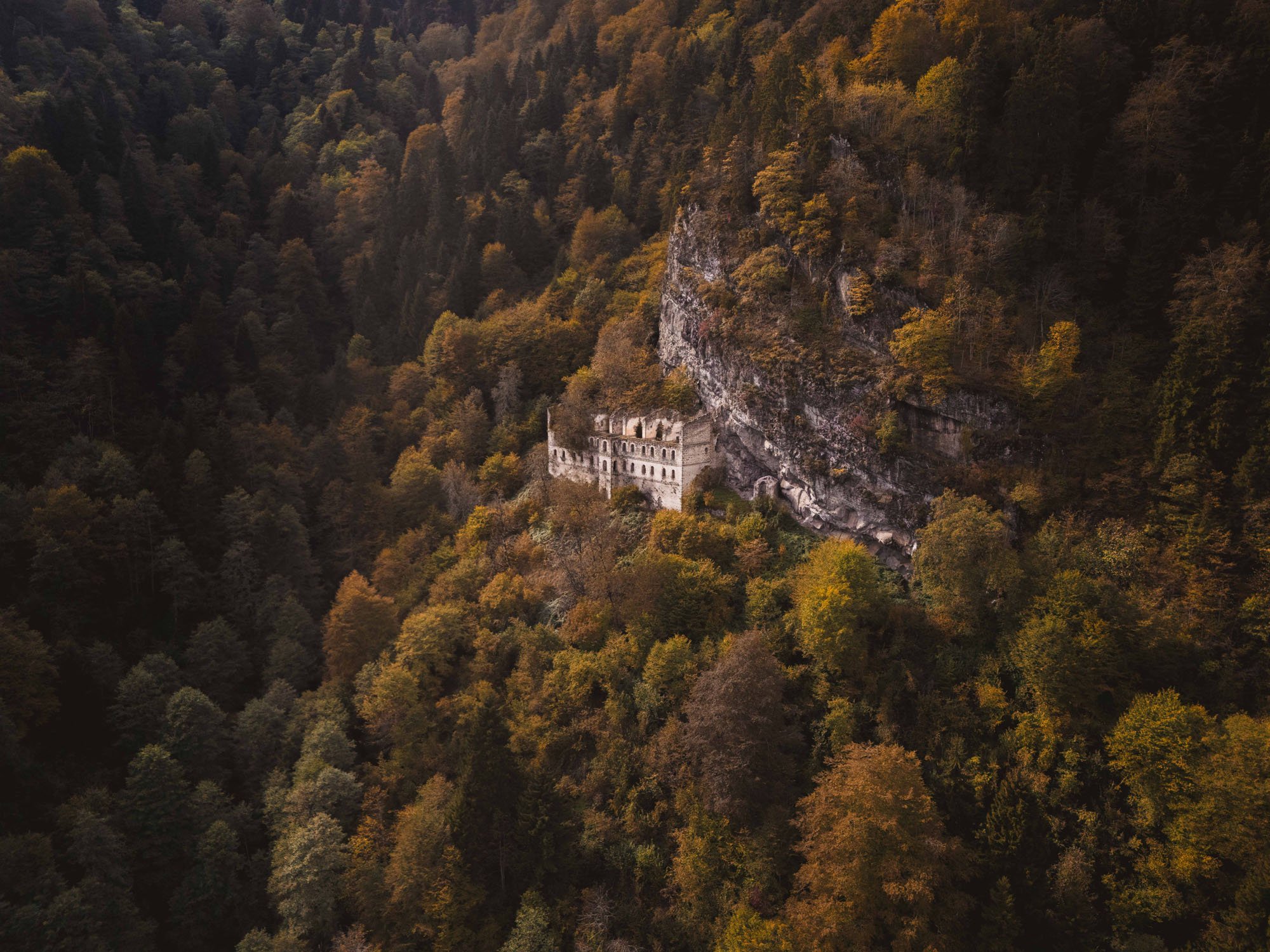
Vazelon Monastery, Türkiye. Our brains want to force a story onto this scene.
The Narrative Fallacy
The photography industry is obsessed with the idea that we are all "storytellers".
It sounds noble.
It sounds deep.
But in behavioural science, this drive to force a narrative onto everything is a cognitive bias known as The Narrative Fallacy.
Coined by Nassim Taleb, the Narrative Fallacy describes our compulsion to turn messy, random, or complex data into simple, coherent stories with clear causes and effects.
Our brains hate randomness; it feels dangerous.
Stories make the world feel predictable and safe.
When you "tell a story" with your photography, you are leaning into this bias. You are trying to simplify the world so your viewer doesn't have to think.
If you try to ‘tell a story’ (which is impossible in photography BTW) you are creating a closed loop; solving the puzzle before the viewer even arrives. And in doing that you rob them of the dopamine hit of discovery.
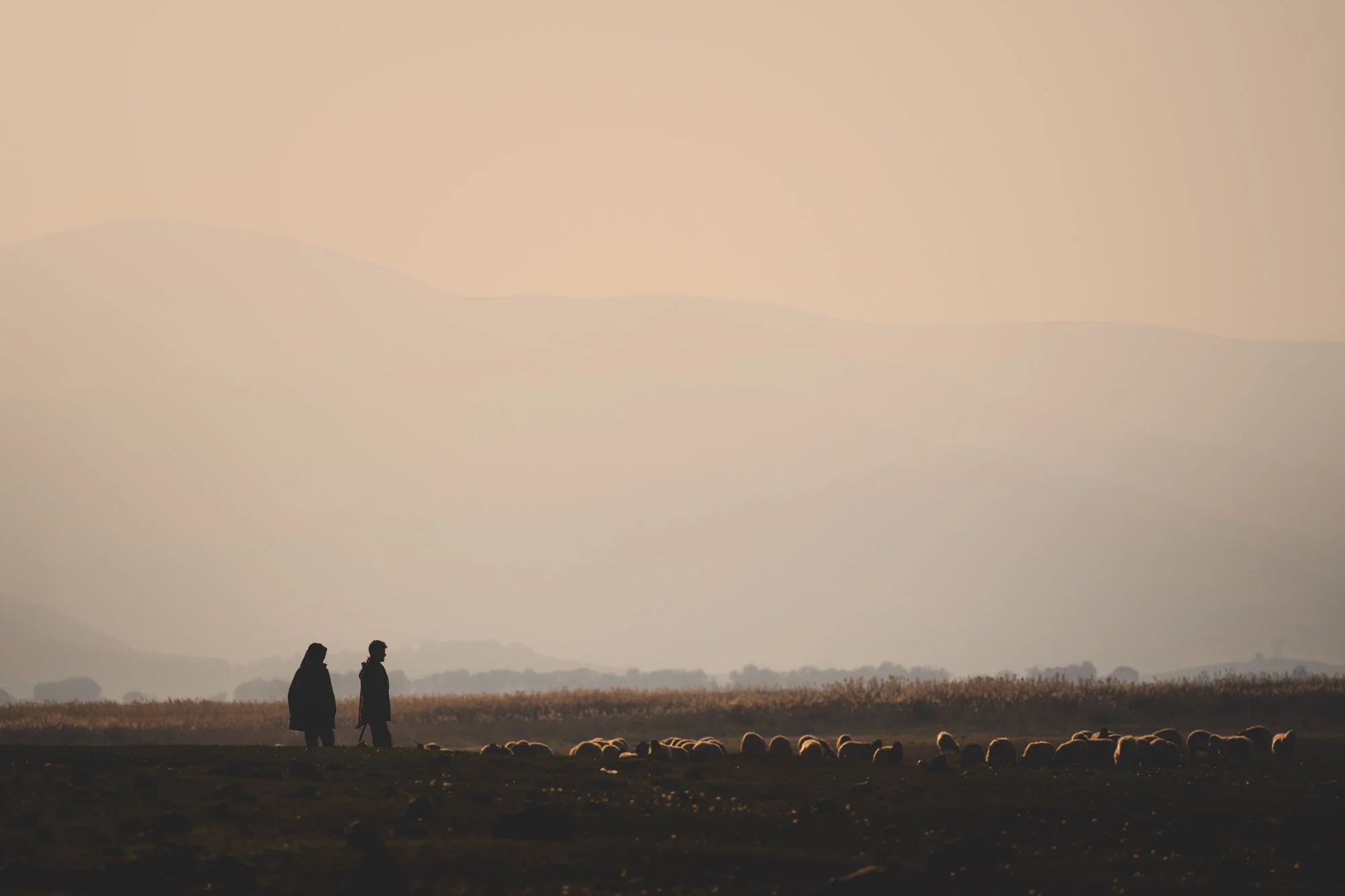
Budakli, Türkiye. Is this a story of ancient peace or crushing isolation? By refusing to provide the answer, you invite the viewer as a participant.
How to move away from narration
Don’t get me wrong. I love a simple, clear image, but that doesn’t come from ‘telling a story’. It comes from ruthlessly capturing the signals in front of you.
1. Break the Schema
We all have "schemas"—mental shortcuts—for how a destination, travel, our adventures should look. The Land Rover on the ridge. The lone hiker. The sunset.
There’s nothing wrong with that - they can be useful guides out in the field. But don’t mistake these schemas for stories - they are prompts to help you cultivate a scene, that’s all.
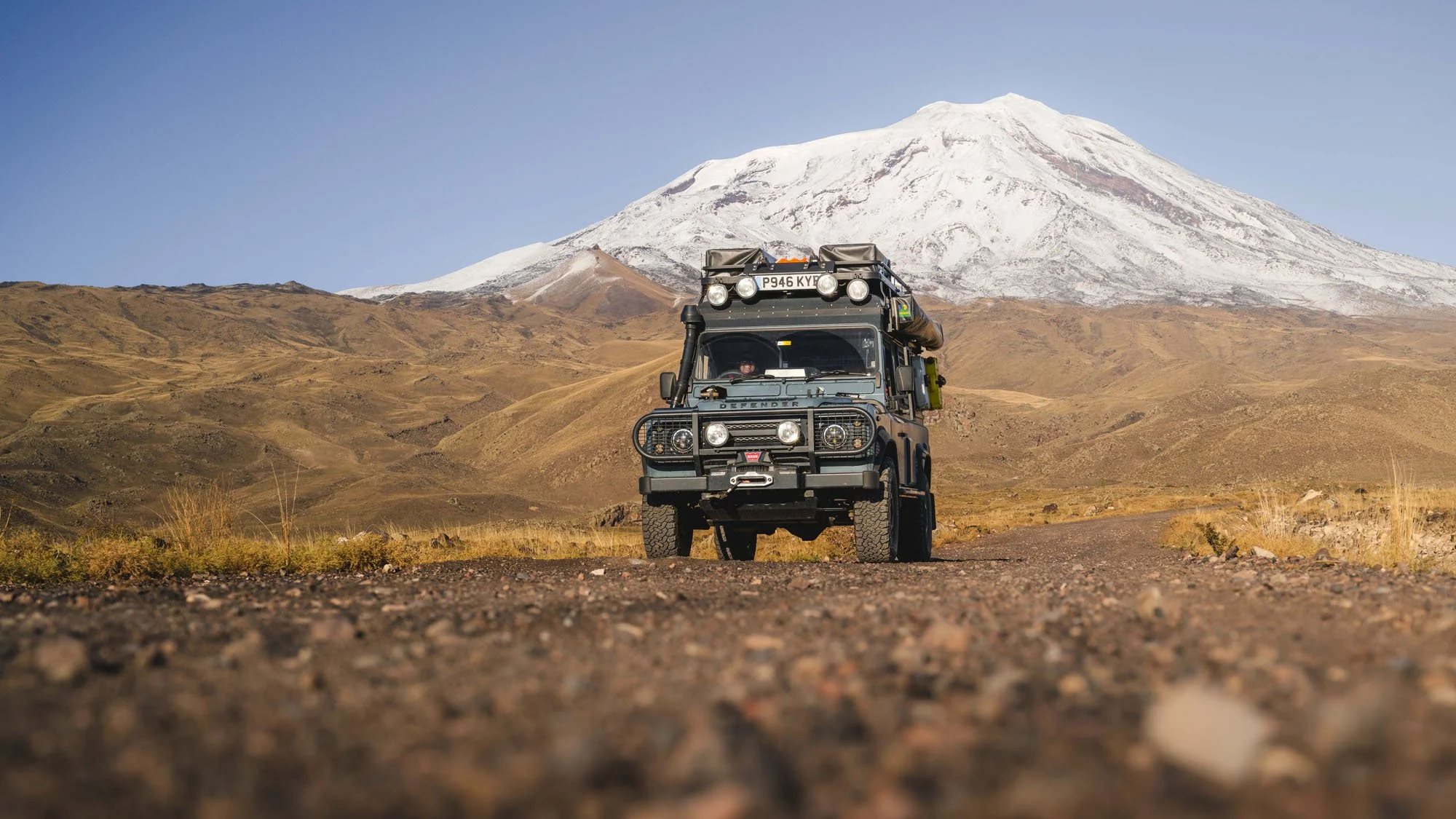
Eastern Türkiye. The classic 'adventure' schema. These are useful prompts, but they aren't stories.
2. Find the signals
I don’t care if you crop tight, or show me the world in 11mm just know that neither is ever going to tell a story. In either frame there will be one or perhaps many signals - little visual breadcrumbs - for a viewer’s mind to latch onto. These are the things that allow them to craft their own narrative. Be ruthless in finding and cultivating those signals in your frame and leave the story to the viewer.
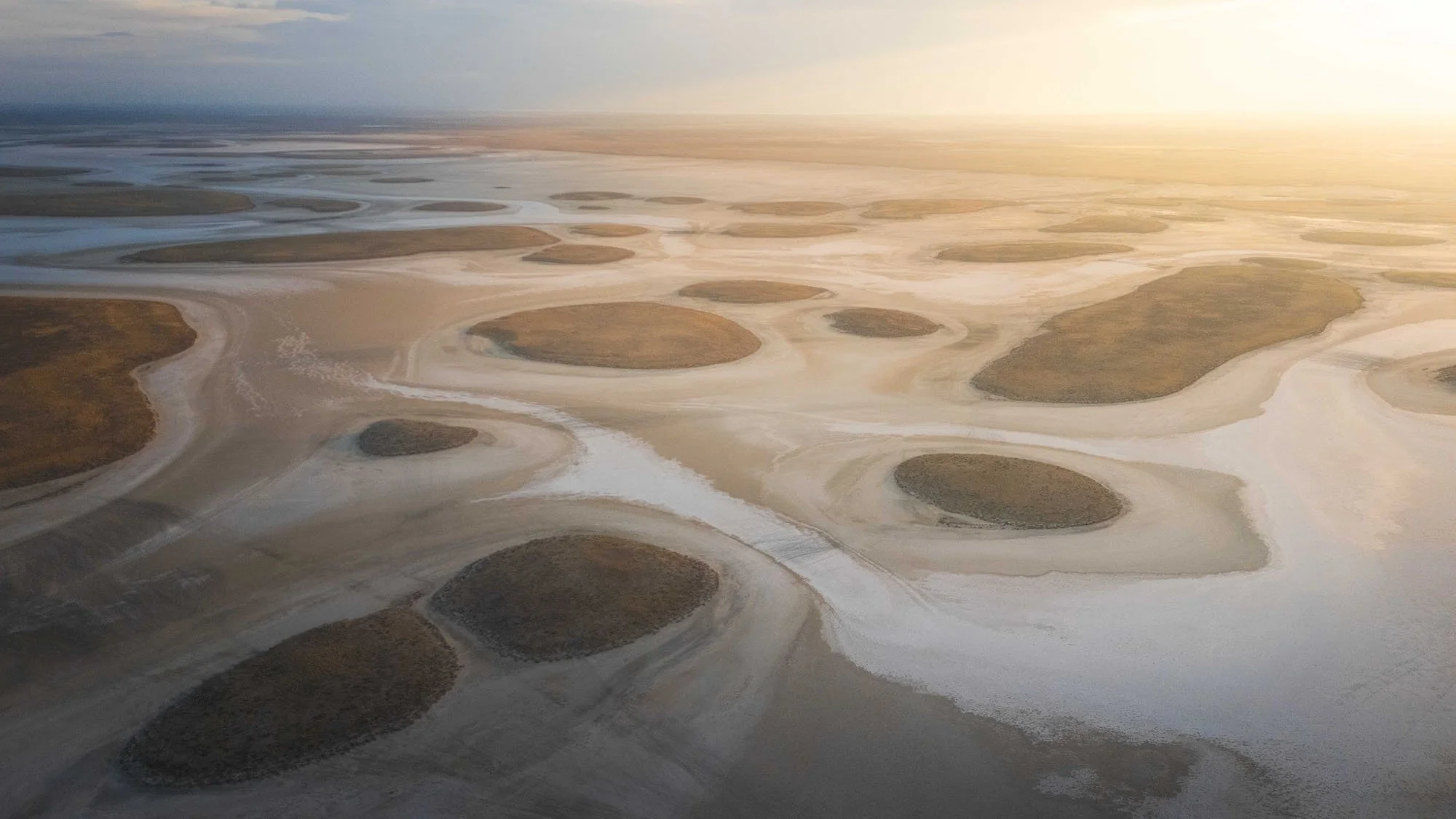
Tuz Golu, Türkiye. Massive scale doesn't explain a scene; it swallows the story. The brain is forced to look for patterns rather than plots.
3. The Ambiguity Metric
To me, the strongest images in history are Rorschach tests. They are ambiguous enough that ten different people will create ten different "stories" from them.
Take this minaret in Mardin. There is no beginning, middle, or end here. There is only the static weight of the stone and the frantic movement of the birds. That relationship is the signal. By refusing to "tell a story", I’ve given the viewer the reward of finding their own meaning.
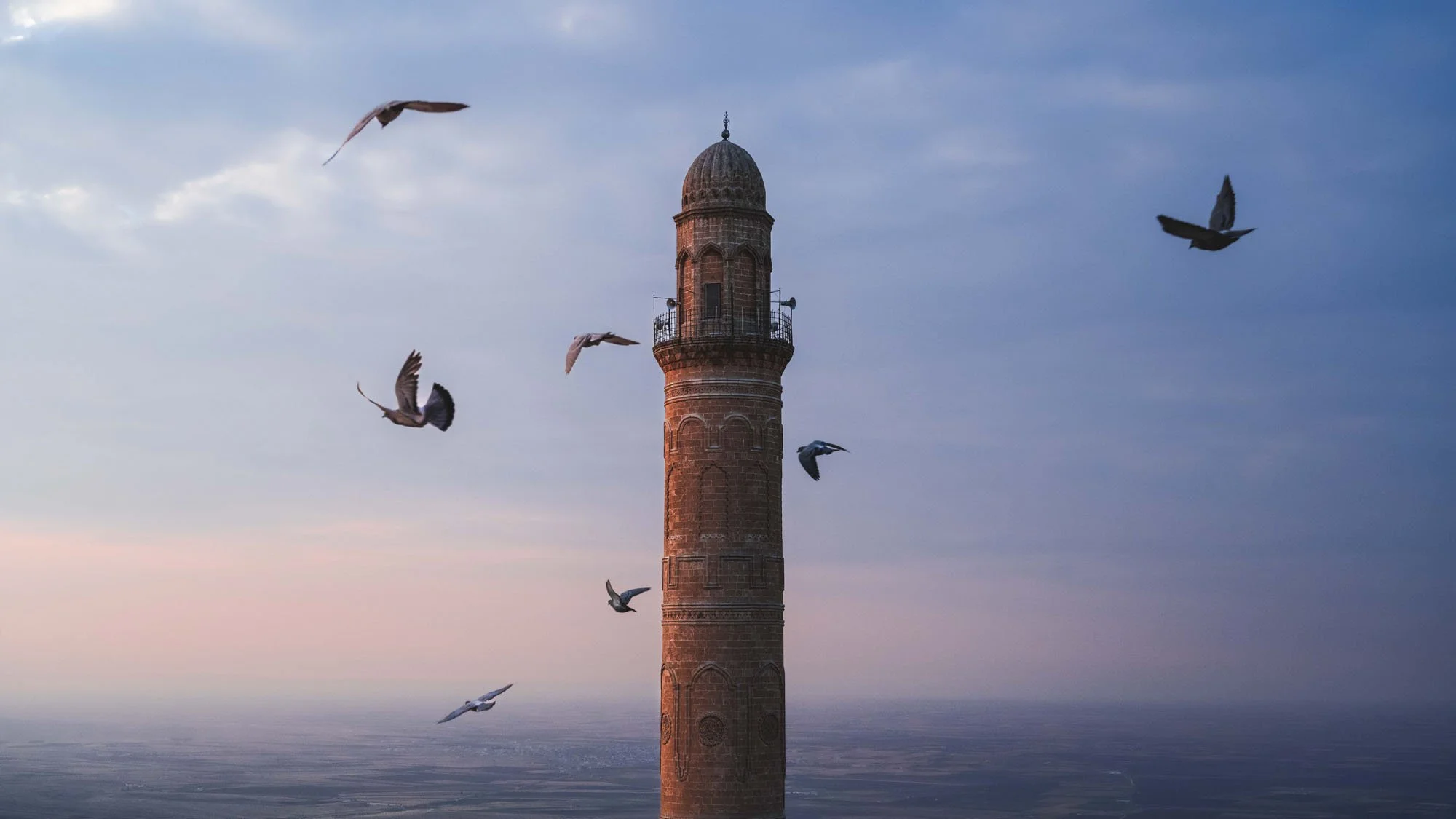
Mardin, Türkiye. By focusing on the relationship between the stone and the birds, I found a signal for others to craft their own stories from.
From stories to signals
I’m currently wiping a layer of fine, red dust off my screen as I look back at these files from Türkiye, my hands still scarred from fixing a busted Sway bar after we’d ventured off piste for a few of them.
It’s made me think more about the narrative fallacy of photography: our desire to force a story into our images. Because in reality, meaning in photography doesn’t come from explanation. It comes from inviting the viewer to participate in creating their own.
The photographer’s job is simply to find the signals in the frame that will allow viewers to create their own stories.
Don’t tell stories. Start noticing the things that will quietly invite them for your viewer.
Learn the psychological triggers that invite viewers into your photos. Upgrade your Visual Intelligence today. 👉 Download my FREE Visual Intelligence Blueprints here.
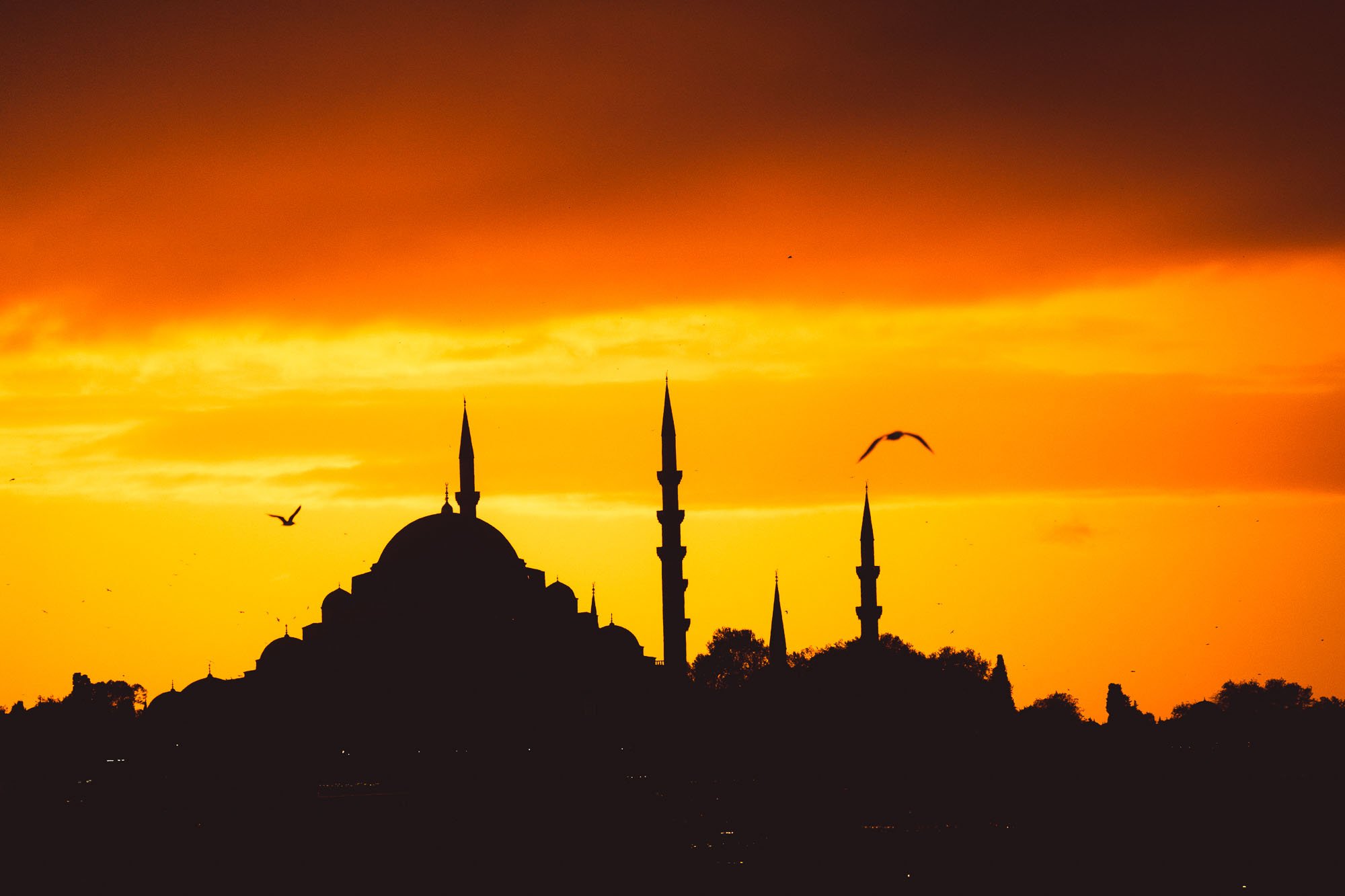
Istanbul, Türkiye. When the frame is unfinished, you give the viewer the satisfaction of finding the meaning themselves.