
The Most Important Quote for photographers
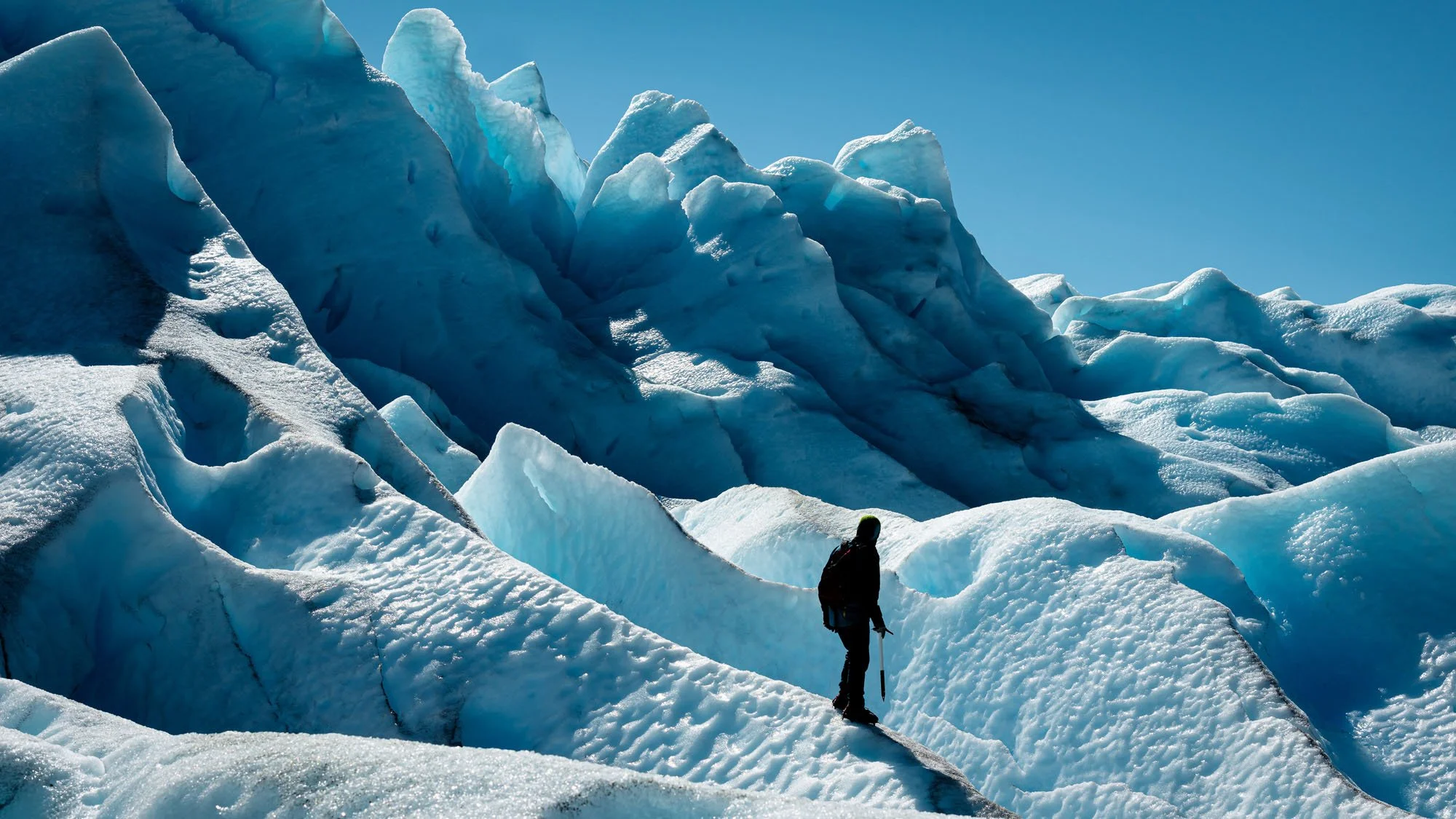
The feeling of adventure, Perito Moreno Glacier, Argentina
Has nothing to do with photography.
A few years ago, I was showing a portfolio to a friend in a quiet cafe in London.
I flipped through my "perfect" shots—the sharp wildlife, the vibrant sunsets, the drone abstracts.
They nodded politely.
But then they stopped on a frame I’d almost deleted—a shot of a man standing on a glacier, back to camera.
My friend went quiet.
They touched the screen and said, "That’s how adventure feels."
They didn't care about the ISO or the corner sharpness. They cared about how the image made them feel.
It was a brutal reminder that technical rules are the least important thing in the frame. If the viewer doesn't feel it, the pixels are just noise.
It makes me think of a powerful quote from the great poet, Maya Angelou, that has more value for photographers than I ever realised until now:
“People will forget what you said, people will forget what you did, but people will never forget how you made them feel”
In a world saturated with billions of high-resolution images, we are suffering from visual fatigue. We forget the "perfect" landscapes and the "sharp" street shots within seconds of scrolling.
What remains—what actually sticks—is the feeling.
If you want to move from taking pictures to creating an impact, you have to stop thinking about what you are showing and start thinking about how you are feeling.
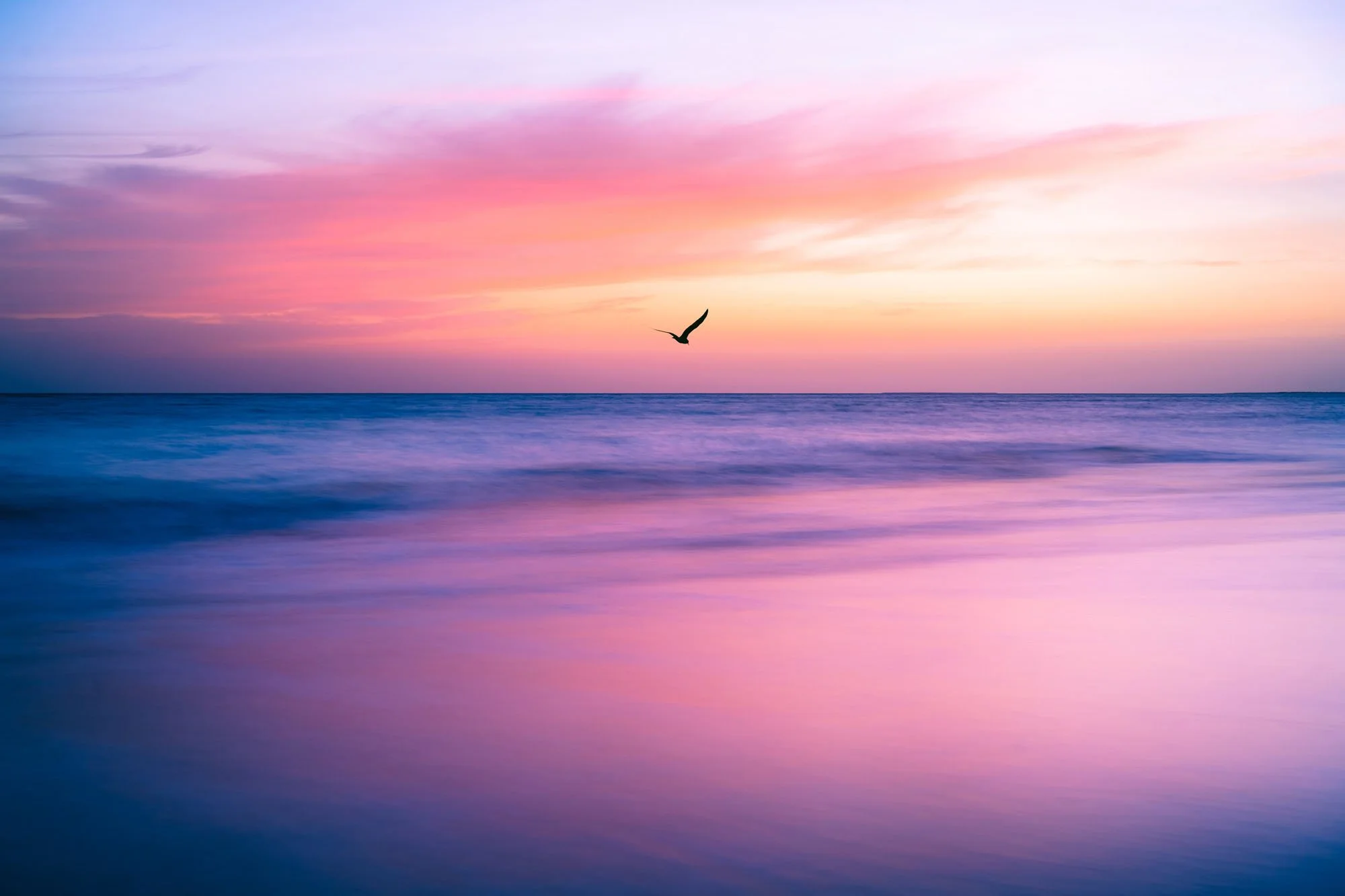
The feeling of sunset, Varela, Guinea Bissau
1. The Photographer
The first person who needs to feel is you. It doesn’t matter if you shoot wildlife, architecture, or street; if you aren't emotionally engaged with the scene, the viewer never will be.
Personally, I don't inch my way through the mud of Botswana or drive 5 hours just to get to a remote beach just for a file on a hard drive. I do it for the friction. I do it to feel the weight. The adrenaline of the search. The raw reality of the world.
When we are deeply moved by an experience—our heart rate shifts, our pupils dilate, and our "Visual Intelligence" spikes.
If you are bored while taking the photo, the photo will be boring. Your internal feeling is the primary signal that tells you when to release the shutter.
The image is simply the receipt for that experience.
If your images feel "thin," it's because they don’t trigger a feeling.
Master the feeling with the Signal In The Frame.
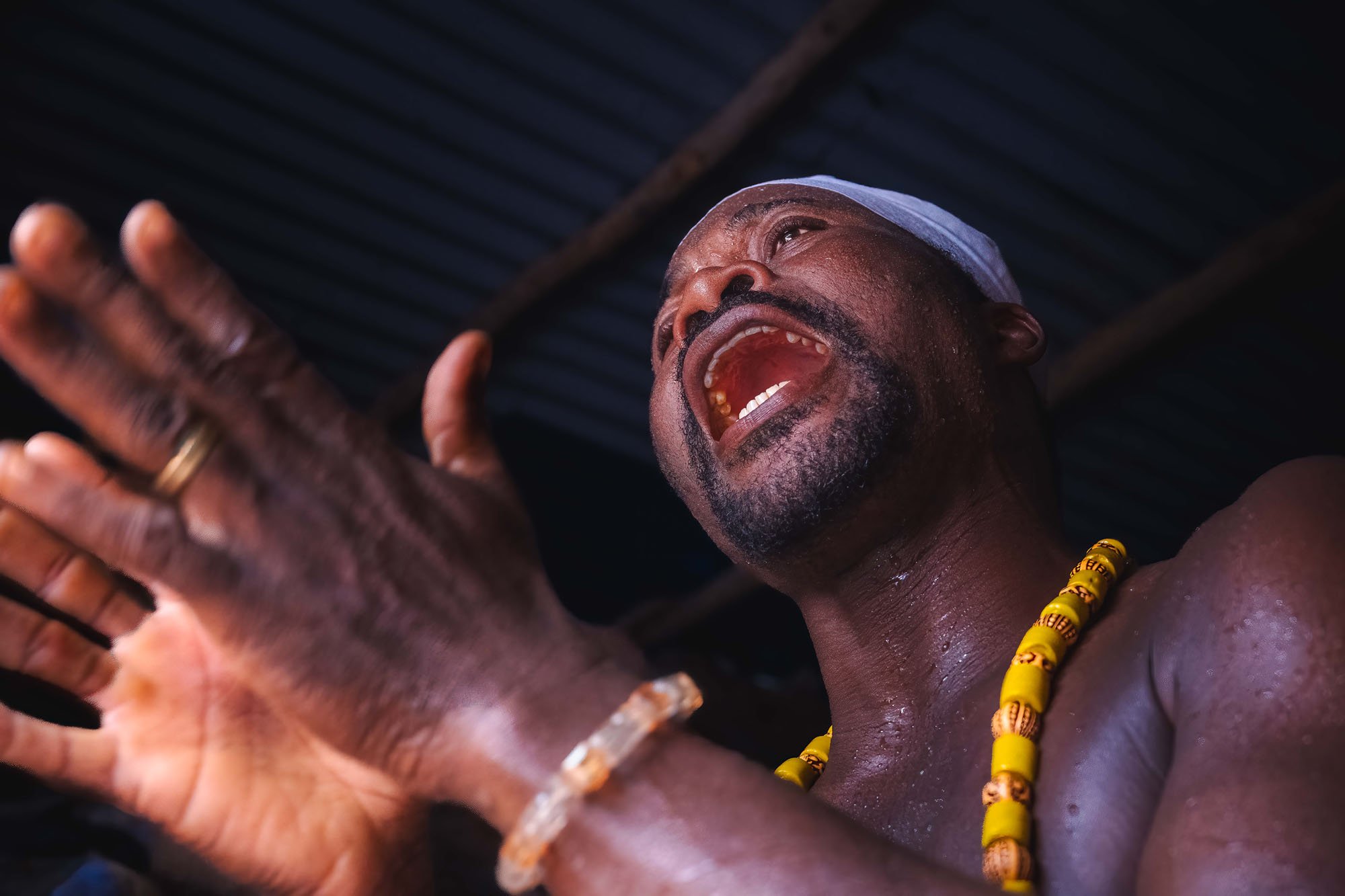
The feeling of belief, Mama Wata Temple Ouidah, Benin
2. The Connection
For those of us who photograph people, the "picture" is often the least important thing in the room. The best portraits aren't a result of lighting setups; they are a result of Rapport.
In the remote villages of Namibia and the temples of Benin, I learned that how you make your subject feel is the only thing that dictates the outcome.
If you make them feel like a trophy to be "captured," their guard goes up and the soul leaves the frame.
But if you make them feel seen, respected, and heard, the distance between the lens and the life disappears.
It isn't just about eyes; it’s about a shared human vulnerability. When a subject trusts you enough to offer their true self, they aren't looking at a camera—they are looking at a friend. That feeling of safety is what creates the "timeless" quality in a portrait.
You don’t take the photo; you are granted it.
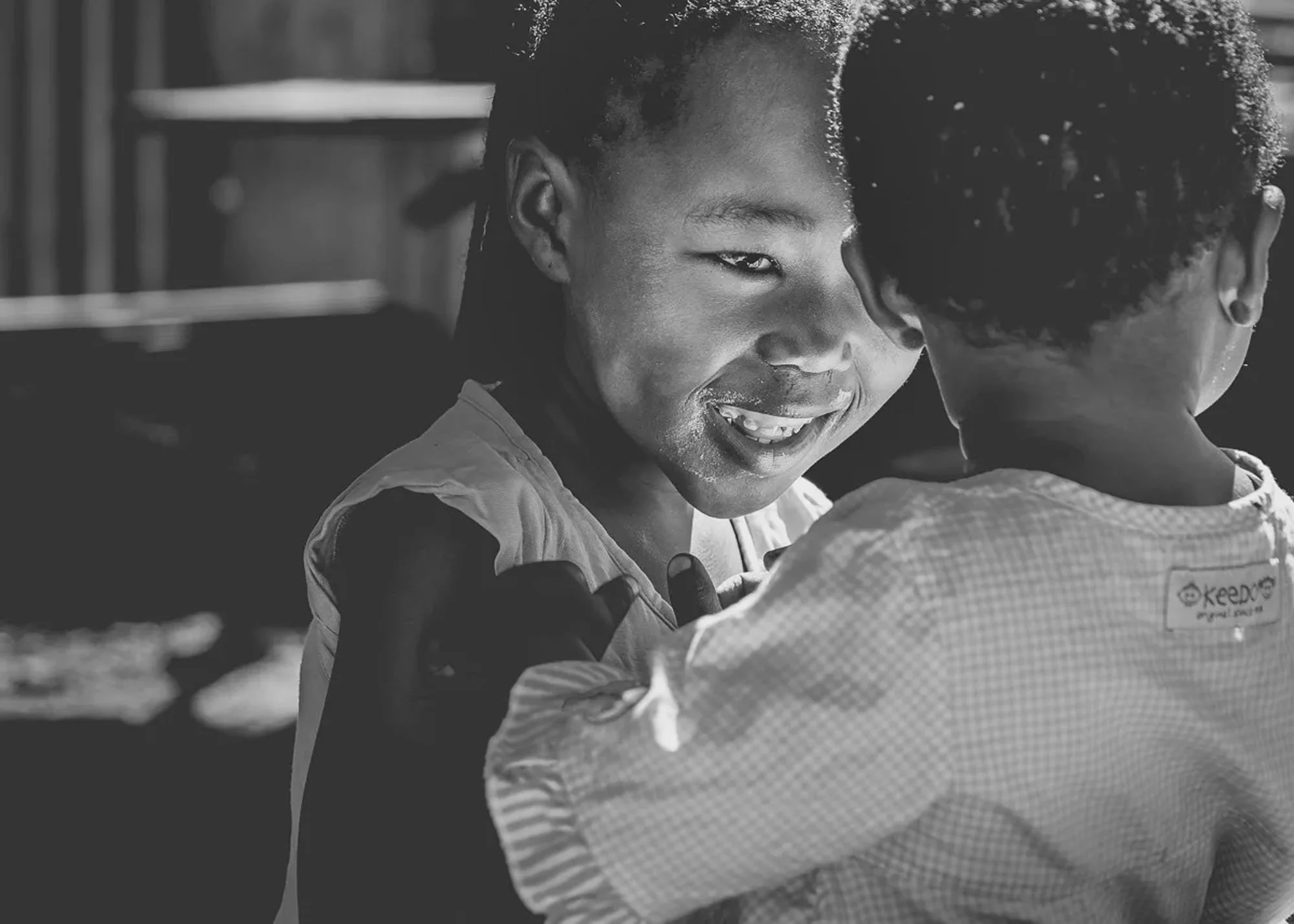
The feeling of sisterhood, Langa Township, South Africa
3. The Viewer
Finally, we have the viewer. Most photographers treat the viewer like a passive observer. They want the viewer to look at the photo and say, "That’s nice."
I want the viewer to look at the photo and ache.
Neuroimaging shows that when we look at an image that holds a strong emotion our brain chemistry changes. We don't just see a boxer's exhaustion or a sister’s love; we physically feel a micro-version of it.
The best photographs open an Information Gap that the viewer has to fill with their own history and their own emotion.
They will forget your composition.
They will forget your colour grade.
But they will never forget the way your image made them feel about their own lives.
That is the ultimate goal of Visual Intelligence: to move past the eyes and hit the heart.
Cliff is a Visual Ethnographer using psychology to capture the unvarnished reality of the human condition. If you are ready to stop documenting what things look like and start capturing what they really mean, get the Signal in the Frame blueprint. Join the expedition on YouTube here.

The feeling of ‘oh no’! Dry Riverbed, Morocco