
The camera is an alibi. Human effort is the art.
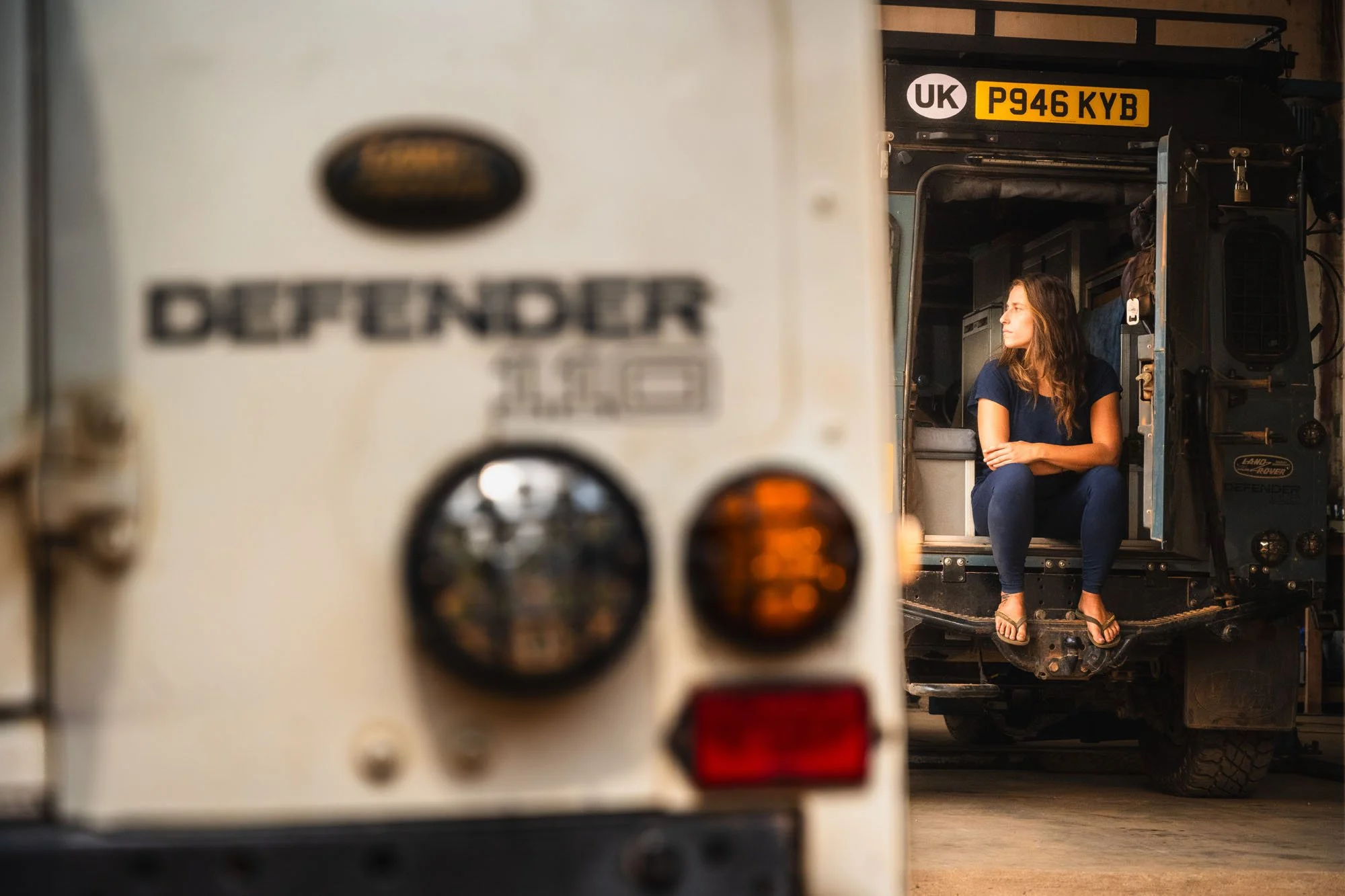
Angola. AI can generate an an epic scene. It will never know the smell of gear oil, the hours spent in the dust, or the quiet contemplation of living out of the back of a Land Rover.
A few days ago, the BBC published a fascinating investigation by Ros Atkins with a headline that should stop every creative in their tracks:
“AI is creating a ‘human premium’ for art made by people. But will it hold?”
In the article, British author John Lanchester makes an observation that cuts straight to the bone of the modern creative crisis:
“If you commodify one kind of thing, the things you can’t commodify start to seem more important”
Take a moment to let that sink in.
Over the last two years, generative AI has commodified visual perfection. You can sit on your sofa, type twenty words into a prompt box, and watch an algorithm spit out a 8K, hyper-detailed, beautifully lit image of a Tibetan monk, an Arctic glacier and a desert sandstorm in seconds.
Pixel-perfect imagery has become practically free.
And because synthetic perfection has become cheap, abundant and effortless, the human mind is doing what human minds have always done: it is placing an exponential premium on the thing an algorithm can’t replicate.
The friction.
An algorithm can generate a million sunsets, but it will never have cold hands.
It will never have to fix a flat tire whilst you travel to that once-in-a-lifetime photo location.
It will never feel the knot in its stomach walking into an unfamiliar village
It will never share a cup of bitter tea with a stranger to earn the chance to make their portrait.
You don't pick up a camera today in spite of AI.
The rise of AI is the greatest argument in history to put your boots on, grab your camera and seek out the friction of the real world.
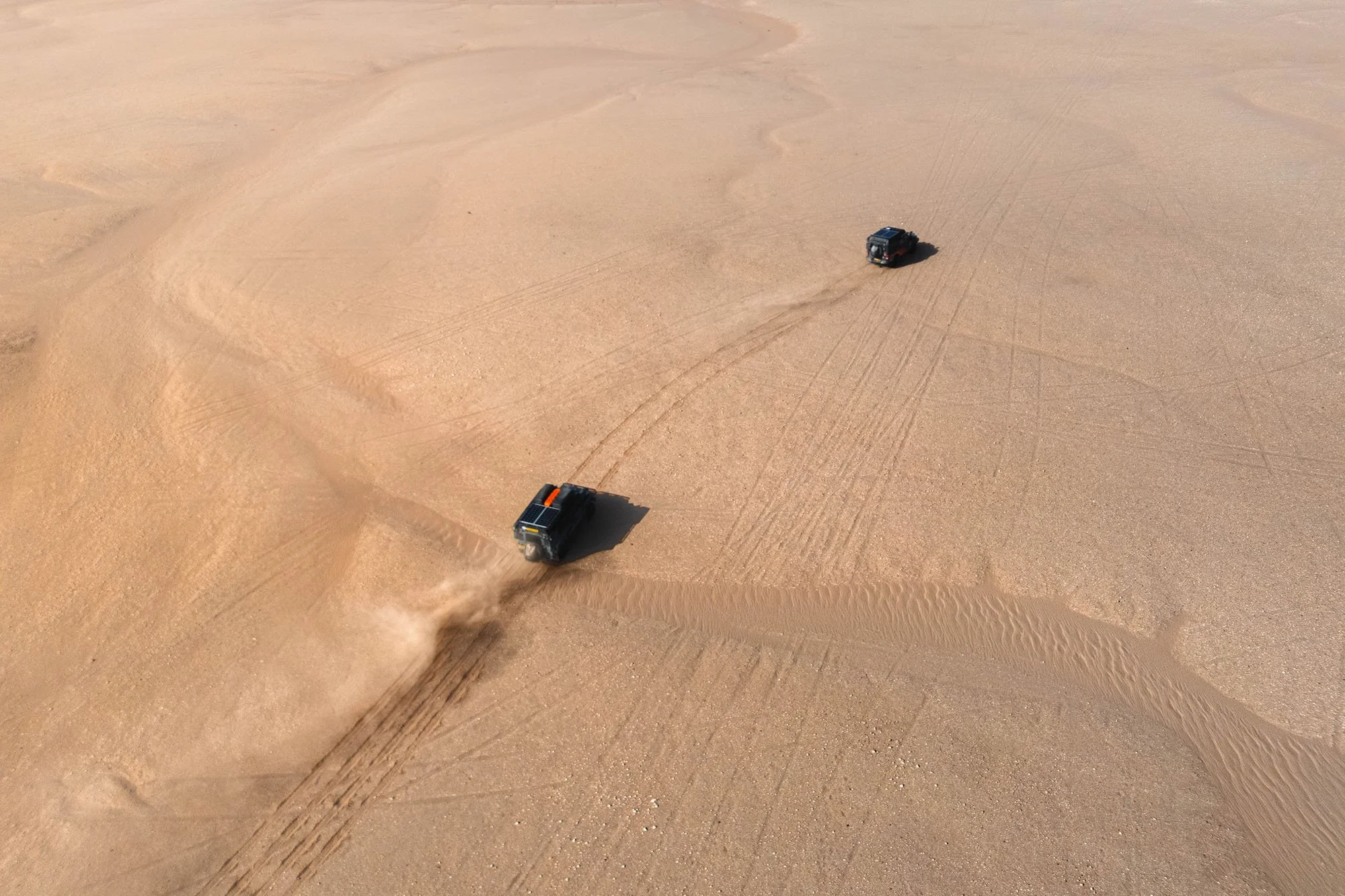
Mauritania. The camera as an alibi. The image is never just a digital file; it is the evidence of an encounter you would never have had if you hadn’t carried the lens.
The Camera as an Alibi
In the BBC piece, philosopher C. Thi Nguyen suggests that we can understand what we truly care about by following what he calls a “Why Chain”.
If you ask yourself why you take photographs, and you peel back the superficial layers—the desire for social media validation, follower counts, award ribbons—you eventually hit the real value at the end of the chain.
Why do we actually carry a camera?
Early in my career, I thought the camera was a machine for manufacturing content. After decades studying psychology, pushing an old Defender to remote locations and carrying a camera across the globe, I’ve realised the truth:
The camera is just an alibi.
It is a socially acceptable excuse to live an unscripted, curious life.
It is the reason you set the alarm for 4:30 AM on a freezing Tuesday morning.
It is the permission slip that allows you to wander down an industrial back-alley you’d normally cross the street to avoid.
It is the reason you turn off the paved highway onto an unmarked gravel track just to see where it leads.
It is the bridge that forces you to walk up to a human being, look them in the eye and start a conversation.
The camera gets you out the front door.
The photograph is simply the souvenir of the fact that you dared to go.

Mexico. The camera as a passport. The image is never just a digital file; it is the physical evidence of an encounter you would never have had if you hadn’t carried the lens.
The Science of the Friction Premium
Why do human beings care so much that a photograph was made by a real person in a real place?
Economist Daniel Susskind points to the game of chess. In 1997, when the computer Deep Blue defeated world champion Garry Kasparov, critics predicted that human chess would die.
Instead, chess is more popular today than at any point in human history.
Why? Susskind notes:
““It wasn’t simply the moves on the board that people care about. It’s the fact that it’s a human being sitting behind them, moving those pieces along that matters.””
In psychology, this is known as The Effort Heuristic—a cognitive bias demonstrating that humans assign higher value, emotional resonance and authenticity to an object when they know significant human labour, struggle and time went into creating it.
When someone looks at a photograph that moves them, the viewer subconsciously registers the presence of the photographer.
They sense the bitter, biting wind on the glacier.
They feel the suffocating heat of the forge.
They register the patience required to wait hours in the rain for the light to break.
The friction you endured to make the image—the tiredness, the travel, the awkwardness, the dirt—is not an obstacle to the art.
The friction is the art.
When you eliminate the friction, you eliminate the soul.
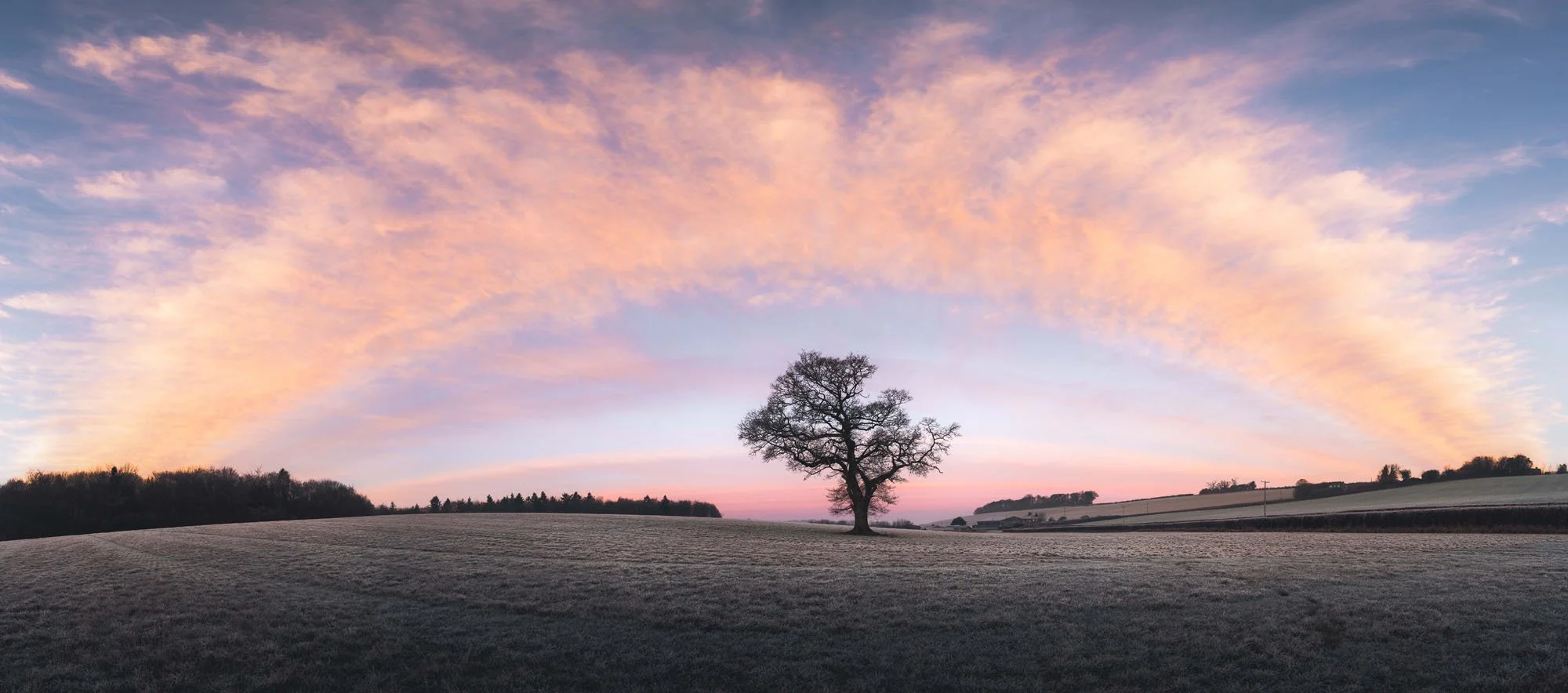
Britain. You don't need a trans-continental expedition to claim the human premium. You just need the willingness to embrace the friction of the weather in your own backyard.
The Micro-Adventure: You Don’t Need an Expedition Rig
It is easy to look at adventure photography and assume that to claim this "human premium," you need a custom-built 4x4, an expedition budget and a passport full of exotic visas.
You don’t.
Cultural critic Kyle Chayka points out that because AI generation is so "generic, obsequious, and banal," audiences are gravitating toward work that is “messier, less composed and obviously personal.”
Adventure is not an altitude; adventure is a state of open-eyed curiosity.
And a micro-adventure twenty minutes from your front door can already feel so differen:
Leaving your car at home and exploring an industrial estate in the pouring rain.
Waking up before dawn on a Saturday to catch the morning mist rising off a local canal.
Stepping into a neighbourhood market you’ve walked past for ten years and finally striking up a conversation with the butcher.
The algorithm can scrape the internet for an average of every sunset ever taken. What it can never generate is the specific, messy, unscripted reality of what happened when you walked down that specific street, in that specific light on that specific morning.
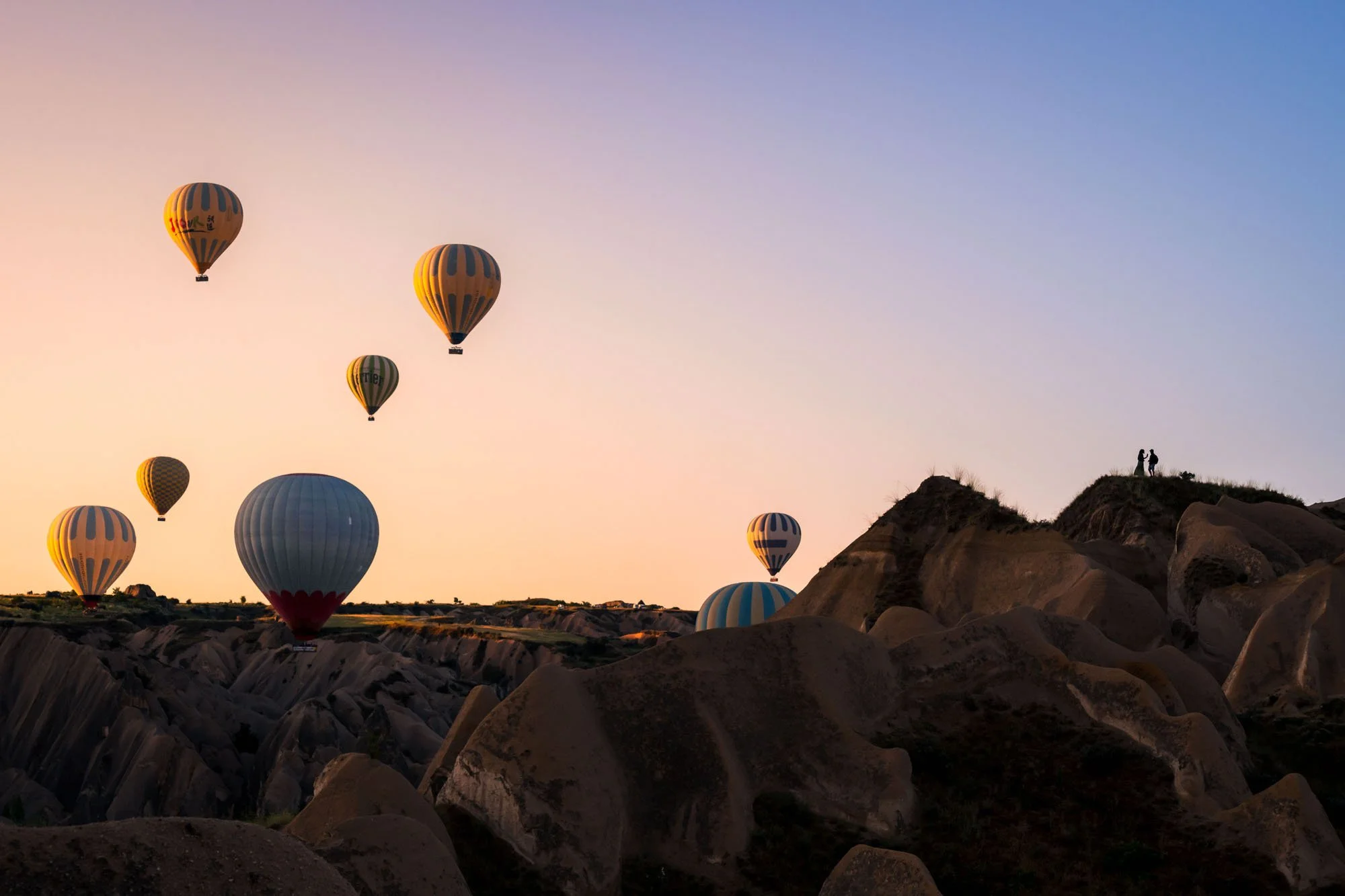
Türkiye. Whether it’s an expedition across continents or a sunrise walk twenty minutes from home, the value lies in having the curiosity to be there when the light breaks.
So What: 3 Rules for Claiming the Human Premium
The next time you pick up your camera, remember what game you are playing:
Celebrate the Friction: When the rain starts falling, when your fingers get cold, or when your travel plans fall apart, do not pack the camera away. That discomfort is the ingredient that separates you from a prompt engineer sitting in a warm bedroom. The friction is your creative rocket fuel.
Treat the Camera as the Excuse, Not the Destination: Stop shooting for the portfolio or the social feed. Use the camera to push yourself into rooms, conversations and landscapes you would otherwise avoid. If an outing results in zero "banger" photos but forced you to see the world with real presence, the trip was a triumph.
Shoot What You Can Feel in Your Body: If your heart rate didn't change, if you felt zero risk, and if your boots stayed spotless, don't be surprised when your images leave viewers cold. Great photography requires you to put some skin in the game.
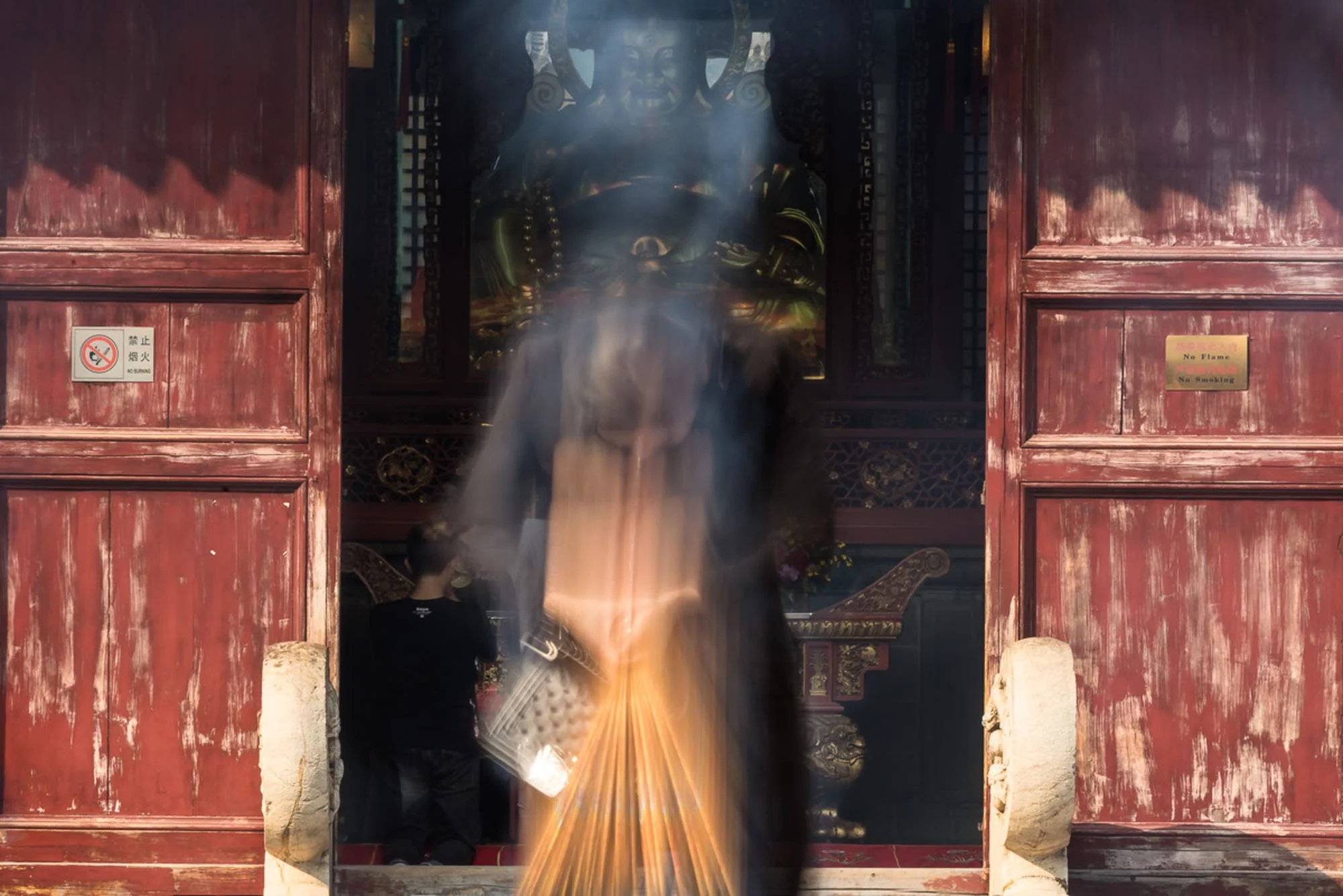
China. In a world drowning in synthetic pixels, the physical presence of the photographer—breathing the smoke, feeling the heat, witnessing the sacred—is the thing that truly endures.
Let AI Have Perfection. I’ll Take the Dirt.
The machines have won the battle for sterile, clinical perfection.
Let them have it.
They can keep the synthetic pixels, the flawless skin, and the algorithmically optimised sunsets.
I will take the rain running down the back of my neck. I will take the missed trains, the red mud on my tyres, the awkward hellos with strangers and the quiet awe of watching the sun break over a hill I climbed with my own two feet. I say…
Pick up your camera.
Step out the door.
Go get dirty.
Master the Art of Seeing
Great photography isn't about software or hardware; it is about learning the psychology of how the human mind sees
If you are ready to master the mental frameworks that turn real-world friction into images people can truly feel, explore my field system:
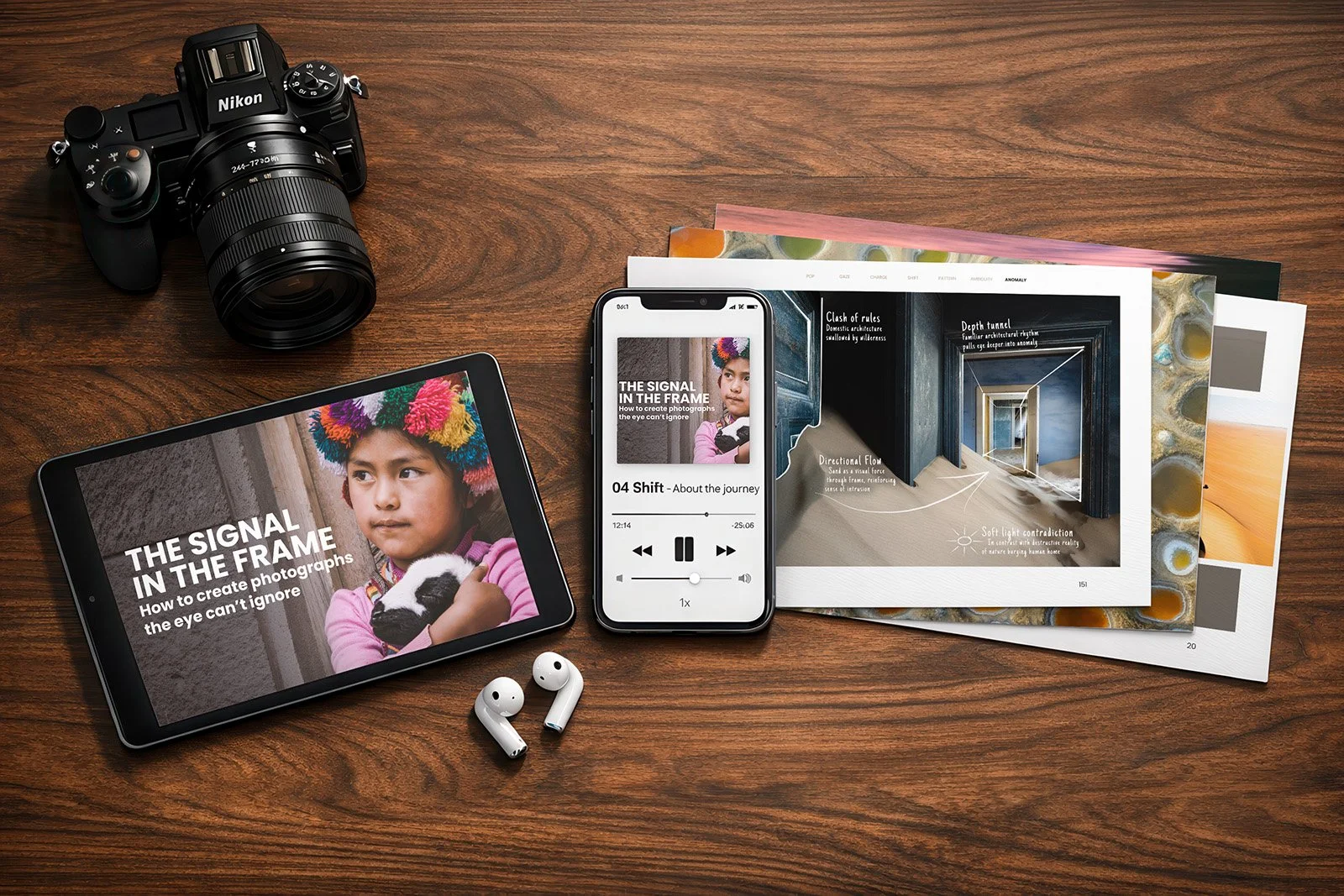
The Signal in the Frame is a science-backed operating manual designed to turn deliberate study into effortless creative instinct.