
Stop Chasing the Light. Start Photographing the Shadow.
Why the most moving photographs are built from the dark.
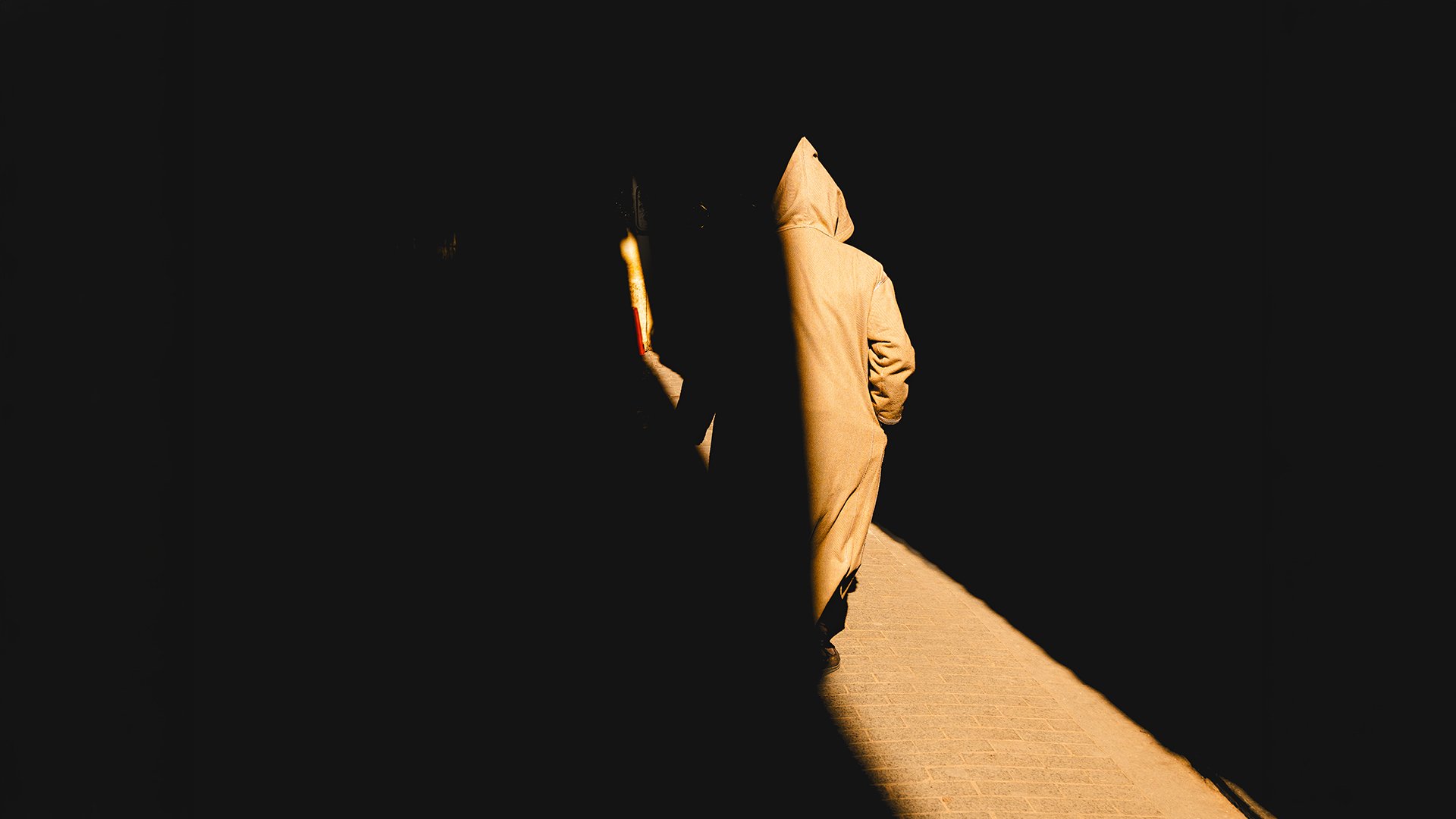
Fes, Morocco. By exposing for the sliver of sunlight and allowing most of the frame to drown in pure black, the alleyway transforms from urban clutter into a dramatic stage.
There is a moment on every desert crossing when the midday sun reaches its absolute zenith and the world simply vanishes.
The light is everywhere—pure, white, and suffocating. It floods the salt flats, the gravel plains and the Saharan dunes. Technically speaking, there is no shortage of "light".
Yet under that relentless glare, you cannot see anything.
The landscape flattens.
The texture of the sand dissolves into a featureless bleach.
The horizon blurs into heat shimmer.
Without darkness to define it, light is not a gift—it is simply an eraser.
Only when the sun dips, and the long, blue shadows begin to stretch across the earth, does life return to the frame. The dunes suddenly gain three-dimensional mass. The ripples in the dirt become sharp, sculpted rhythms. The landscape regains its pulse.
The word photography literally translates from the Greek, "drawing with light." But after twenty years of studying visual psychology and overlanding all over the world with a camera in hand, I feel that definition has led photographers astray.
You don't make an image by collecting light.
You make an image by negotiating with the dark.
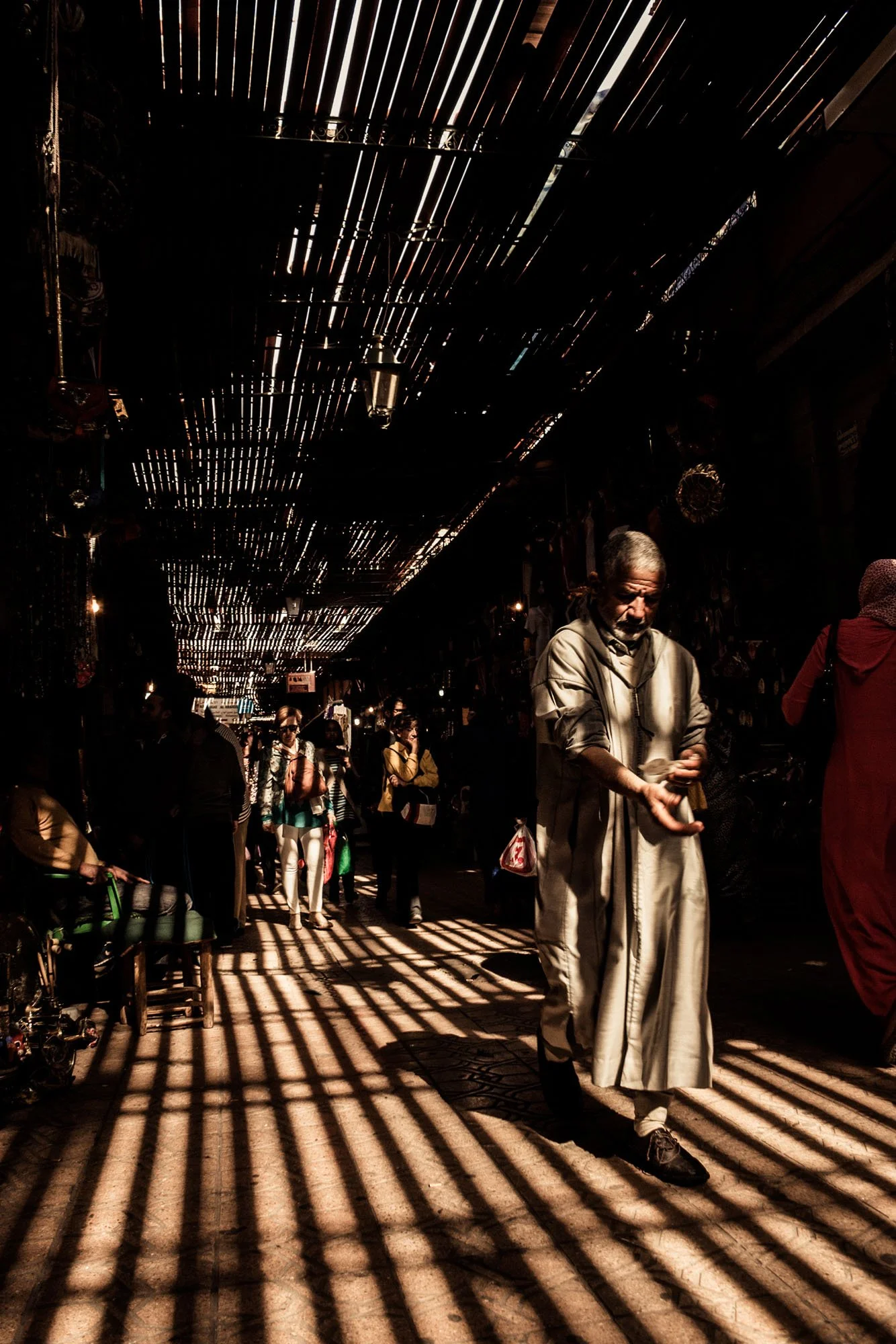
Marrakech, Morocco. The slatted reed roof fragments the harsh African sun into a rhythm of light and shadow, transforming the market corridor into a dynamic pattern.
The Seduction of the Highlight
It is easy to understand why we fall into the trap of chasing light.
Our biology is hardwired to seek safety, warmth, and clarity. A shaft of golden sun breaking through storm clouds or illuminating an autumn forest triggers an involuntary surge of pleasure. We raise the camera toward the brightest point in the scene because that is where our attention naturally flies.
In his classic 1933 essay on aesthetics, In Praise of Shadows, Japanese writer Jun'ichirō Tanizaki observed that while modern Western sensibilities strive to illuminate every dark corner with clinical brightness, classical Eastern beauty resides in the subtle gradations of shadow:
“We find beauty not in the thing itself, but in the patterns of shadows, the light and the darkness, that one thing creates against another.”
Great photography does not belong to the light; it lives in the friction between the illuminated and the concealed.
The Three Roles of the Shadow
When you stop treating darkness as a technical defect to be "rescued" or lifted in post-processing - which I see far too often - it becomes your an incredible creative tool. In psychology, shadow performs three vital functions:
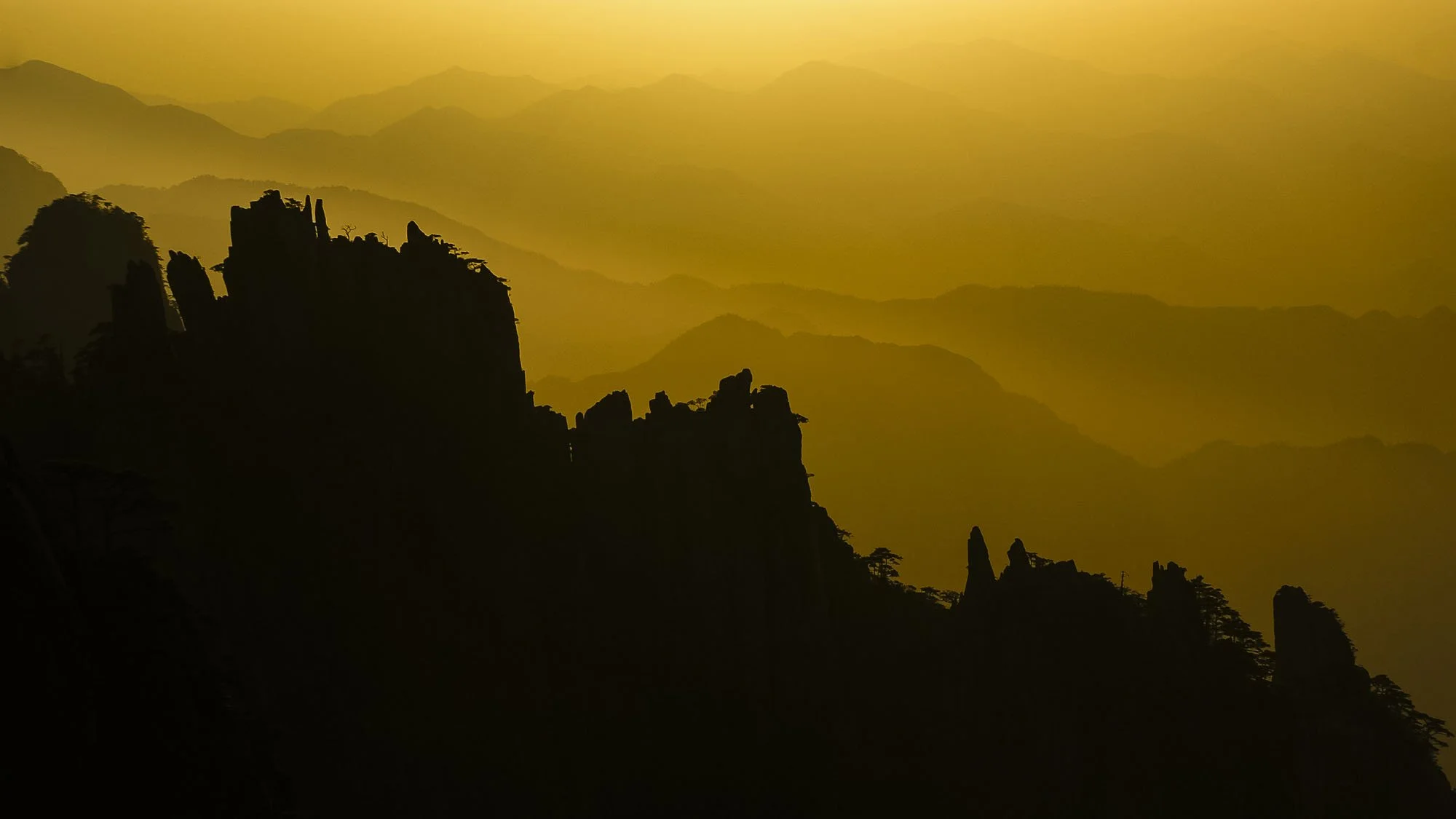
Huangshan, China. Without the deep, black silhouette the golden mist would flatten. The darkness gives the mountain its mass.
1. Shadow as Sculptor
Light gives you colour; shadow gives you volume.
An object lit evenly from the front looks like a flat paper cutout. Human vision relies on the curvature, fall-off and density of shadows to calculate whether something is round, jagged, steep or hollow.
When you photograph an elder, an ancient stone wall, or a sand dune, the light only tells the viewer what colour it is. The shadow tells the viewer how heavy, worn, and deep it feels.
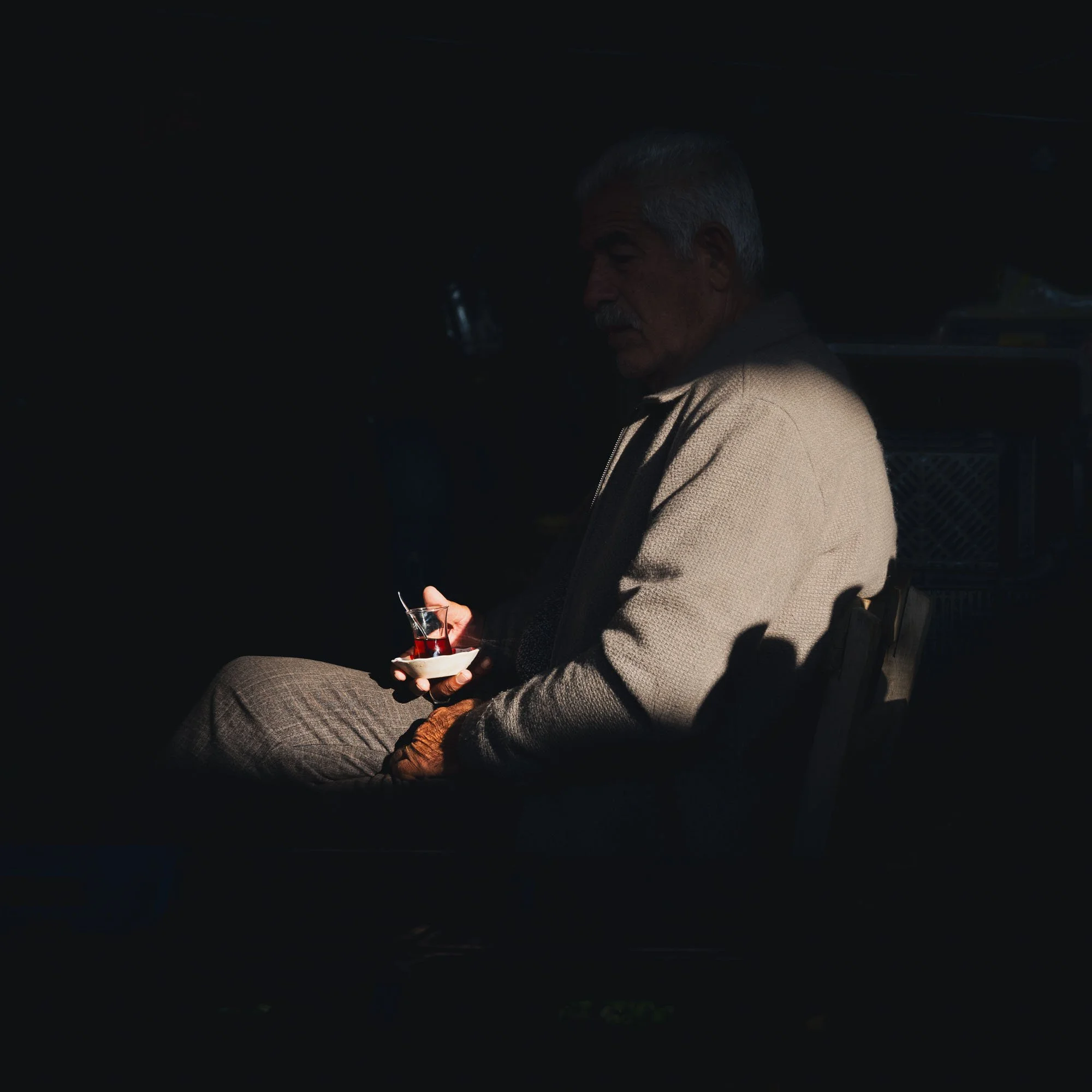
Mardin, Türkiye. By exposing for the illuminated glass and hands, deep shadow amputates the noise—leaving only the warmth of the beautiful Turkish tea ritual.
2. Shadow as Scalpel
In the field, reality is messy. An alleyway in a city or a market in a foreign port is choked with visual clutter—stray signs, electrical cables, trash and people.
I’ve seen amateurs try to clean this up with expensive lenses, hoping shallow depth-of-field will blur the mess away.
Masters use shadow.
When you position your subject in a narrow sliver of light and allow the surrounding room to fall into deep, rich black, the clutter simply disappears. Shadow subtracts the noise so the signal shines.
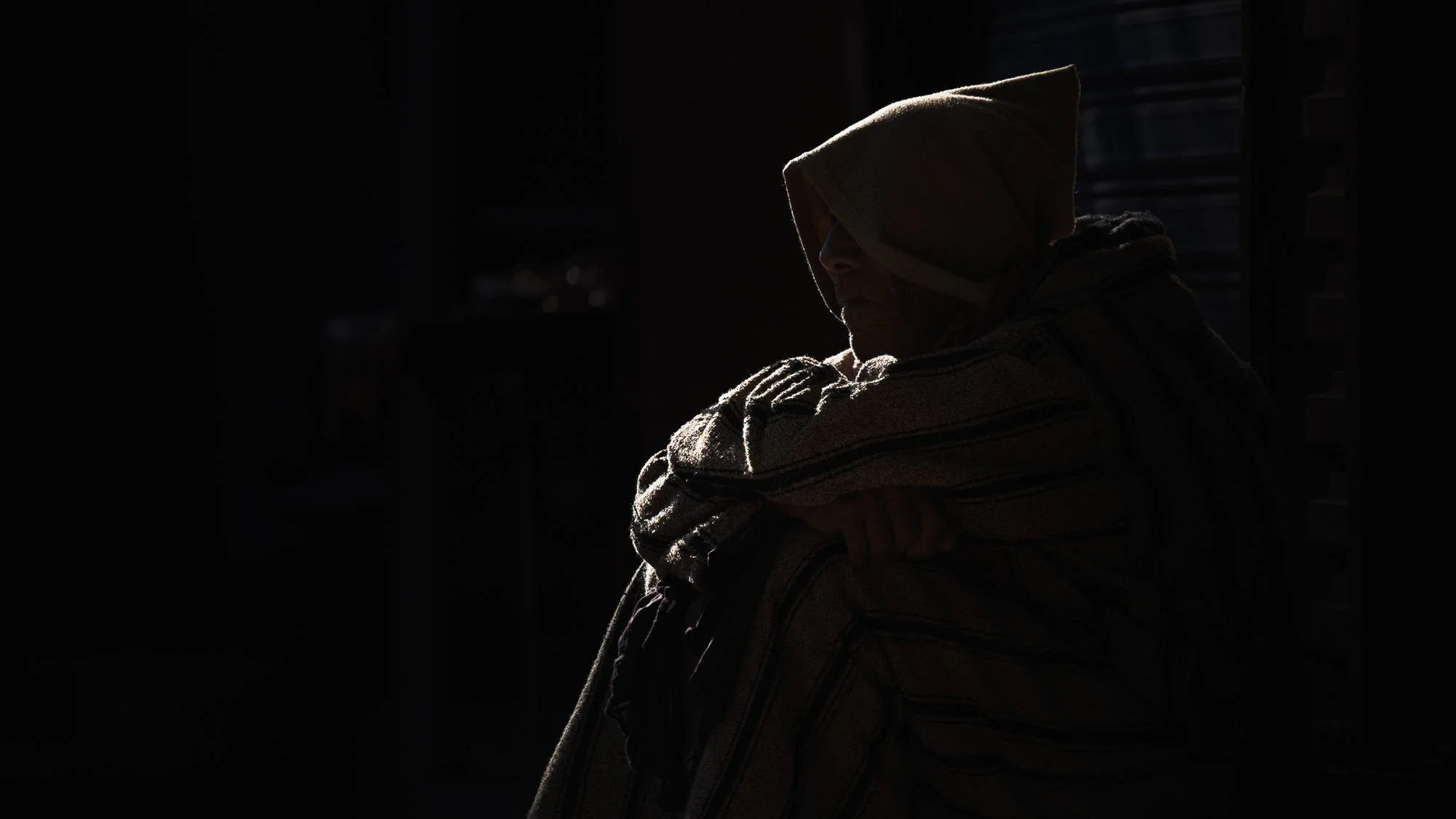
High Atlas, Morocco. The hood conceals the face, leaving only a rim of light along the cheek and fabric. The viewer’s brain is compelled to lean in and imagine what’s hiding in the dark.
3. Shadow as Invitation
The human brain is a prediction machine.
When a subject is partially swallowed by shadow—a face where only the cheekbone catches the light, an open doorway that leads into blackness, or an animal half-hidden in the gloom—the brain cannot resolve the scene passively. It has to project its own memory, imagination and emotion into the darkness.
In a way light hands the viewer the answer. Shadow invites them into mystery.
The Viewfinder Shift: How to Hunt the Dark
How do you practically shift from chasing light to sculpting darkness in the field?
1. Find the Stage, Then Wait for the Actor
Before you decide where your subject stands in the light, look at the shadow. Look at its weight, its boundaries. Frame the darkness as your primary negative space and let the light act as the accent.
2. Meter for the Highlight; Protect the Blacks
Stop searching for the ‘perfect’ histogram. If you are shooting a high-contrast scene, meter for the brightest part of your subject’s skin or clothing and let the rest of the frame fall off into inky blackness. Train yourself to be comfortable with true blacks. A deep shadow gives a photograph grounding, presence and graphic punch.
3. Hunt the Edge, Find the Texture
Texture does not live in the bright light, nor does it live in the pitch black. Texture lives on the razor-thin boundary where light gives up and shadow takes over. When light skims across the crest of a sand dune, the weathered skin of an elder, or cracked plaster on an ancient wall, it generates thousands of tiny micro-shadows. Those micro-shadows are what communicate grit, age, and relief to the human brain.
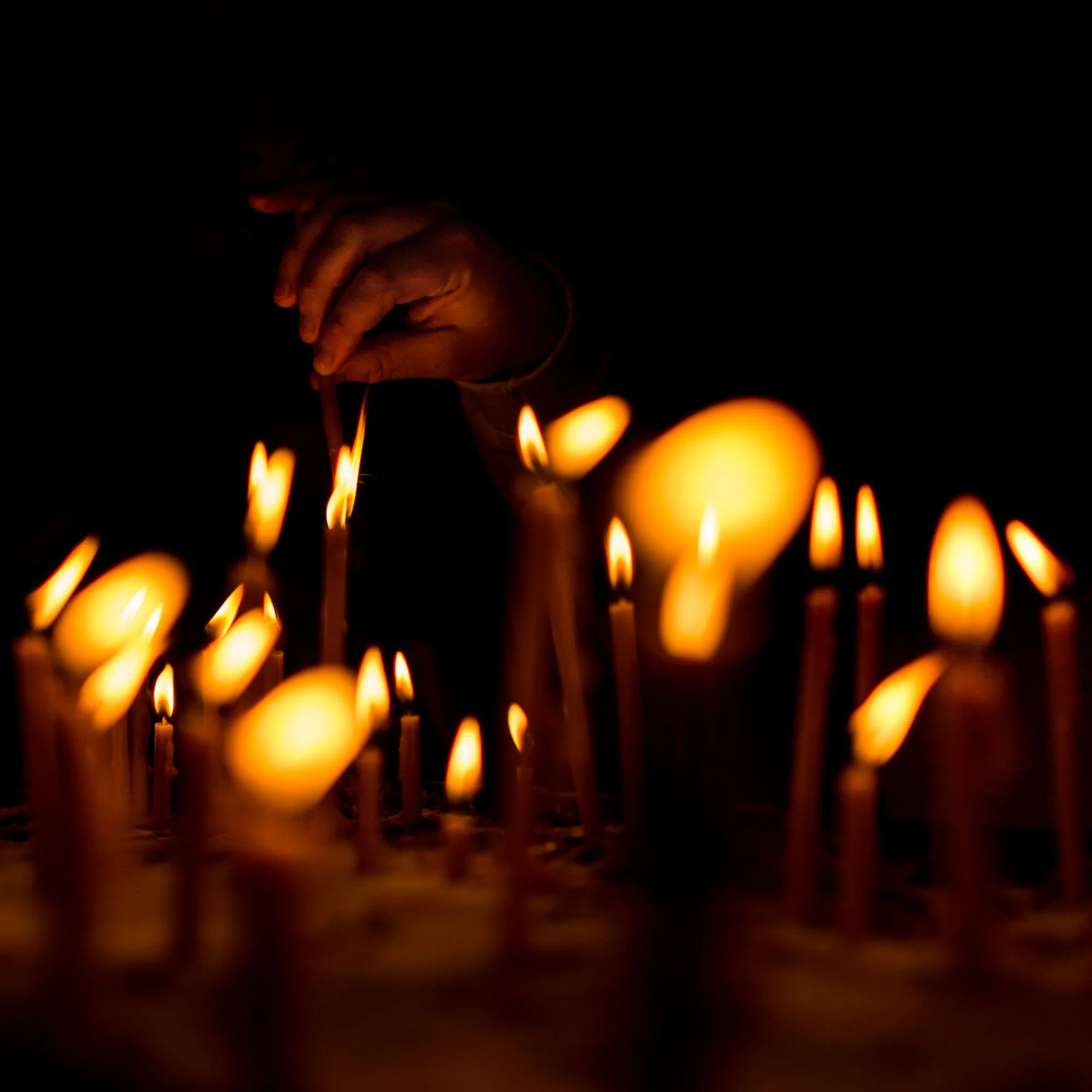
Vienna, Austria. The power of the light is measured entirely by the depth of the shadows it must fight.
The Light is Just the Match
Light is simply the match you strike. The shadow is the room the light reveals.
Without darkness, light has no shape, no edge, and no emotional resonance. It is the bravery to let the shadows remain deep, silent and unresolved that turns an image into something people can truly feel.
The next time you raise your camera, don't just chase the brilliance.
Look for the shadow. That is where the soul of the photograph is waiting.
See the Signal in Your Work
Mastering photography isn’t about learning more software sliders or buying sharper glass; it’s about understanding the psychology of how the human brain sees.
If you are ready to start creating work people can truly feel explore my framework.
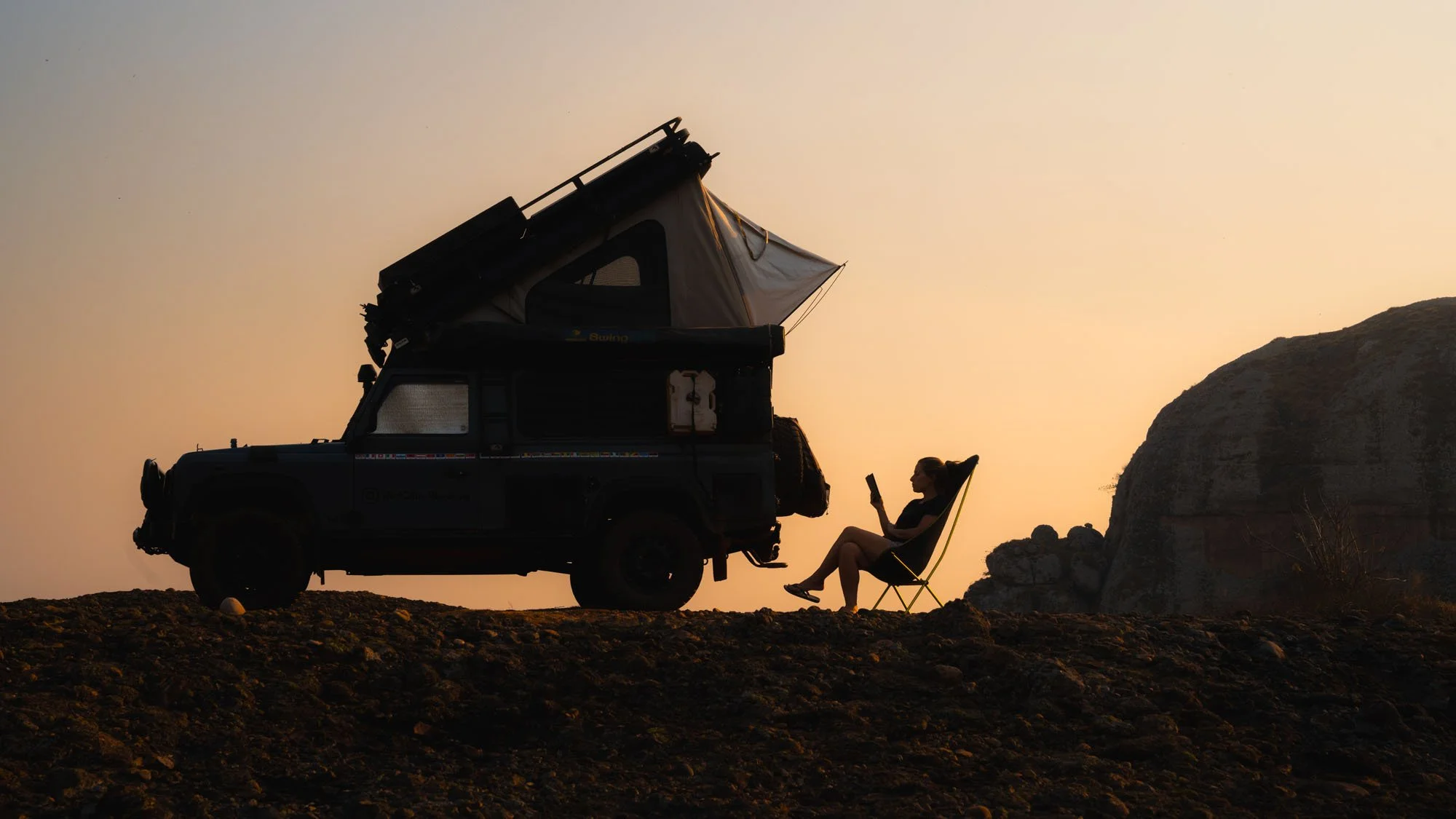
Pedras Negras, Angola. As the sun sinks behind the cliffs, the heavy silhouette of Sully (our Land Rover Defender) grounds the vast, glowing sky, bringing the long overland journey to an evening rest.