
Great wildlife photography captures ‘human’ emotion.
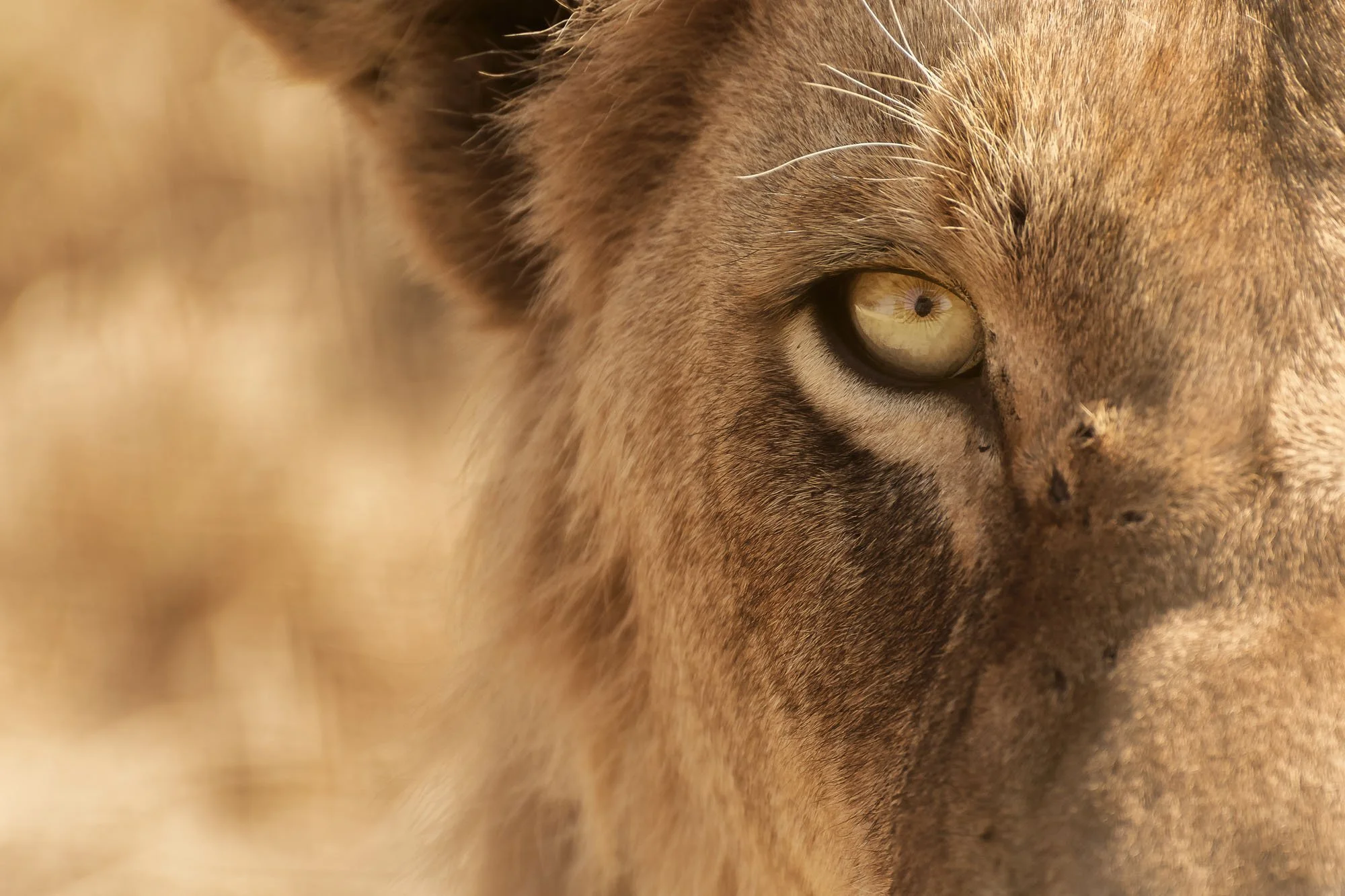
Face-to-face with the ‘King’ of Africa, Etosha National Park
The savannah is what most people imagine when they think, Africa. The real thing is bigger, harsher, and far more psychologically demanding than the postcard.
During a 14-month expedition, the savannahs of Southern Africa were my classroom for a very specific type of connection. Photographing in the jungles, you are overwhelmed by ‘data’; in the desert, you are hollowed out by the void. But in the savannah, you are trapped in a state of perpetual anticipation.
In my fieldnotes, I referred to this as "searching without entitlement." And beneath that I noted that the most powerful images from this landscape don't just capture an animal; they capture a social encounter. From a psychological point of view this makes incredible sense.
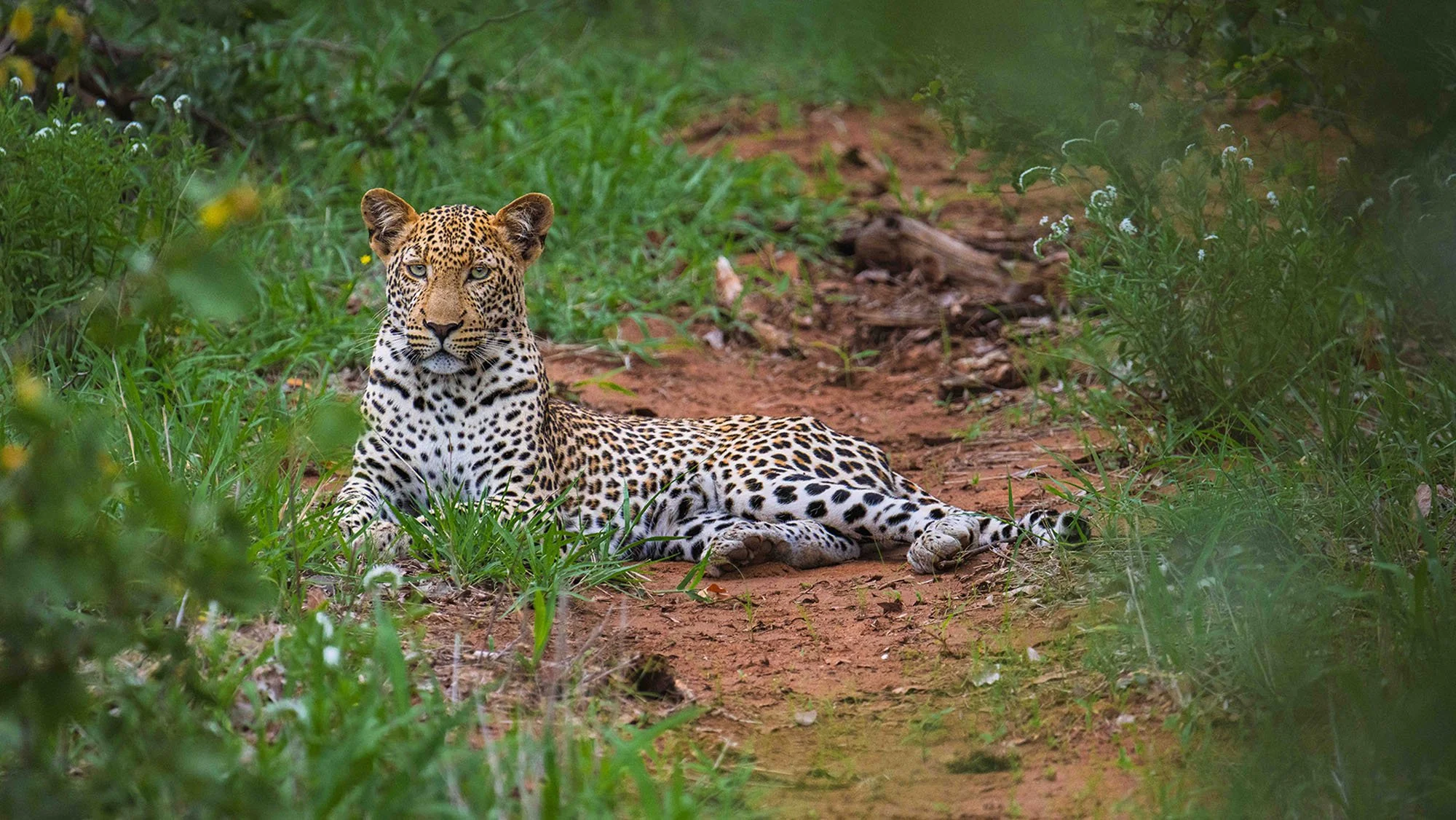
Finally capturing the most elusive of the Big Cats, Kruger National Park
The Confrontation: The 74-Millisecond Hijack
As a social species, our brains are hardwired to detect faces and eye contact instantly.
This is driven by the saliency network. Think of it like a theatre spotlight operator, sitting above a dark stage filled with actors and props. It decides where the audience needs to look next. It shines a bright beam on the lead actor while leaving the rest in the dark.
The most powerful signal to grab that ‘theatre spotlight operator’? A pair of eyes looking straight back at you.
When I encountered a lion in the dying grasses of Etosha or a leopard in the Kruger, I wasn't looking for a "nature shot." I was looking for that social salience. Because the exact millisecond a predator detects your presence triggers an involuntary spike in your amygdala.
Research in social neuroscience shows that the human brain processes "directed gaze" (being looked at) faster and more robustly than "averted gaze." It’s a 74-millisecond hijack where your brain realises it is no longer the observer, but the observed.
By capturing the moment of detection, you aren't just taking a picture of a predator; you are capturing a high-arousal social interaction that the viewer’s brain is biologically incapable of ignoring.
👉 Discover the cognitive operating manual for photographers.
The psychology-backed framework that transforms photography.
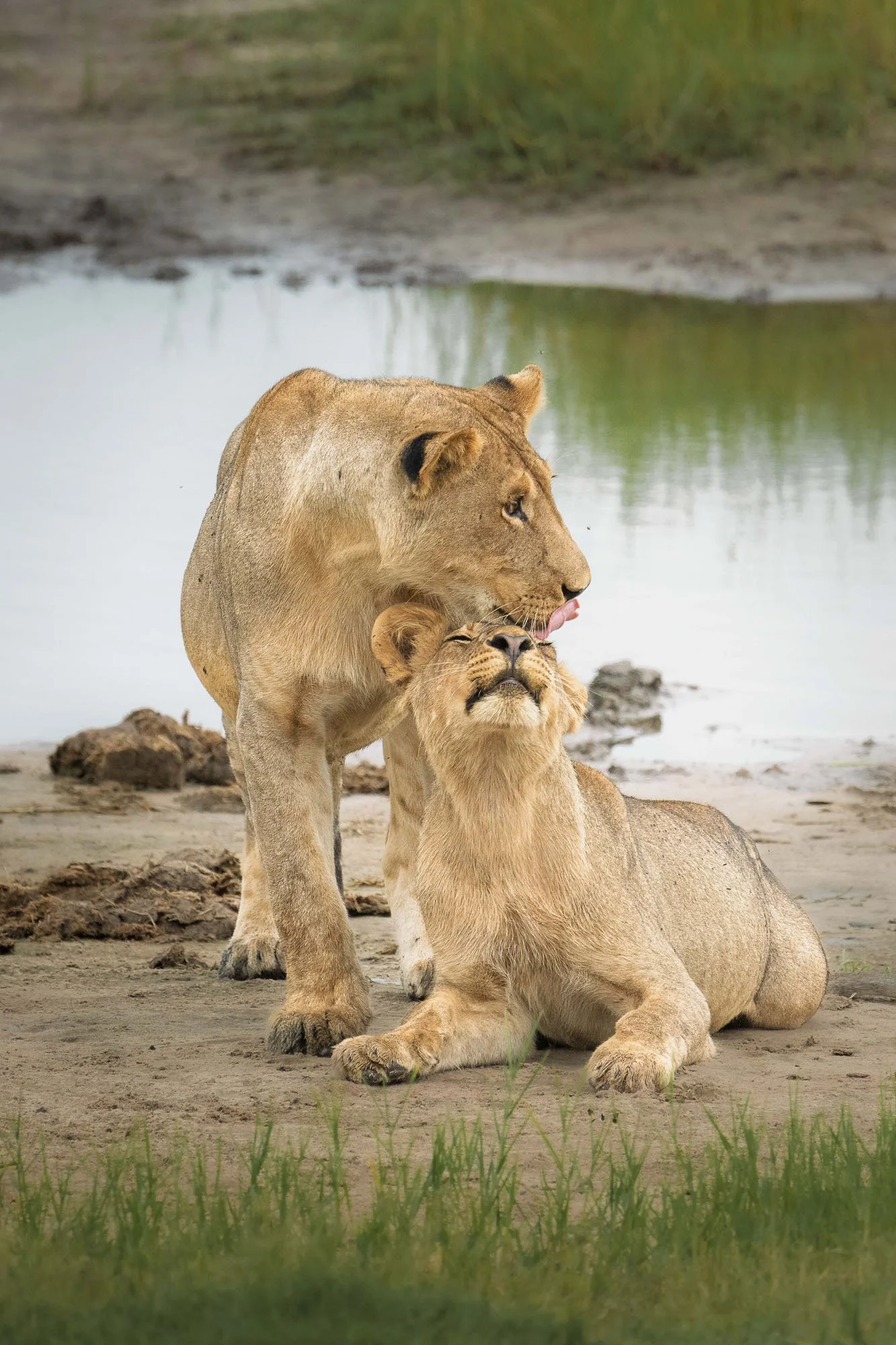
A tender moment between a mother and their child, Chobe National Park
The Human Mirror: Mirror Neurons in the Wild
Why do we feel a lump in our throats when we see lions grooming each other in the dust or a baby elephant nudging her mother?
It’s because of anthropomorphism and your mirror neurons.
We subconsciously attribute human emotions and motives to animals to make sense of them.
When we see a gesture of care, protection, or even exhaustion in a herd, our mirror neurons fire. We don't just "see" the affection; we physically simulate the feeling of it in our own nervous systems.
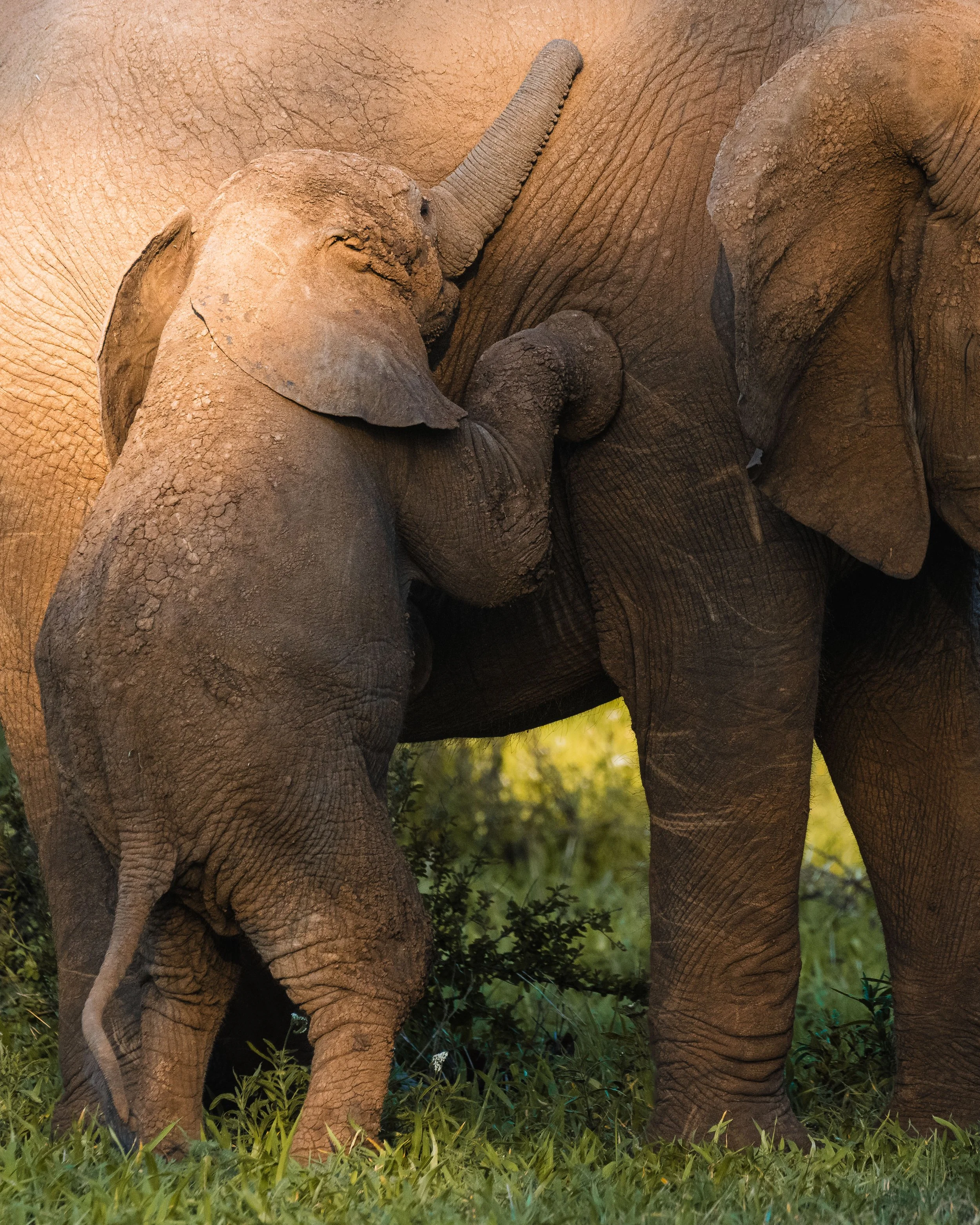
When the kid just wants to play but mum isn’t interested, Kruger National Park
The savannah is a theatre of life.
To move beyond the "trophy shot," I’ve found looking for human moments - rather than looking for an animal - provides the most rewarding wildlife photographs in my portfolio. And again, it makes sense.
Psychologists have found that viewers rate images of animals significantly higher in "emotional resonance" when they display "human-like" familial or social behaviours. This isn't just sentimentality; it is a biological synchronisation between the subject and the viewer.
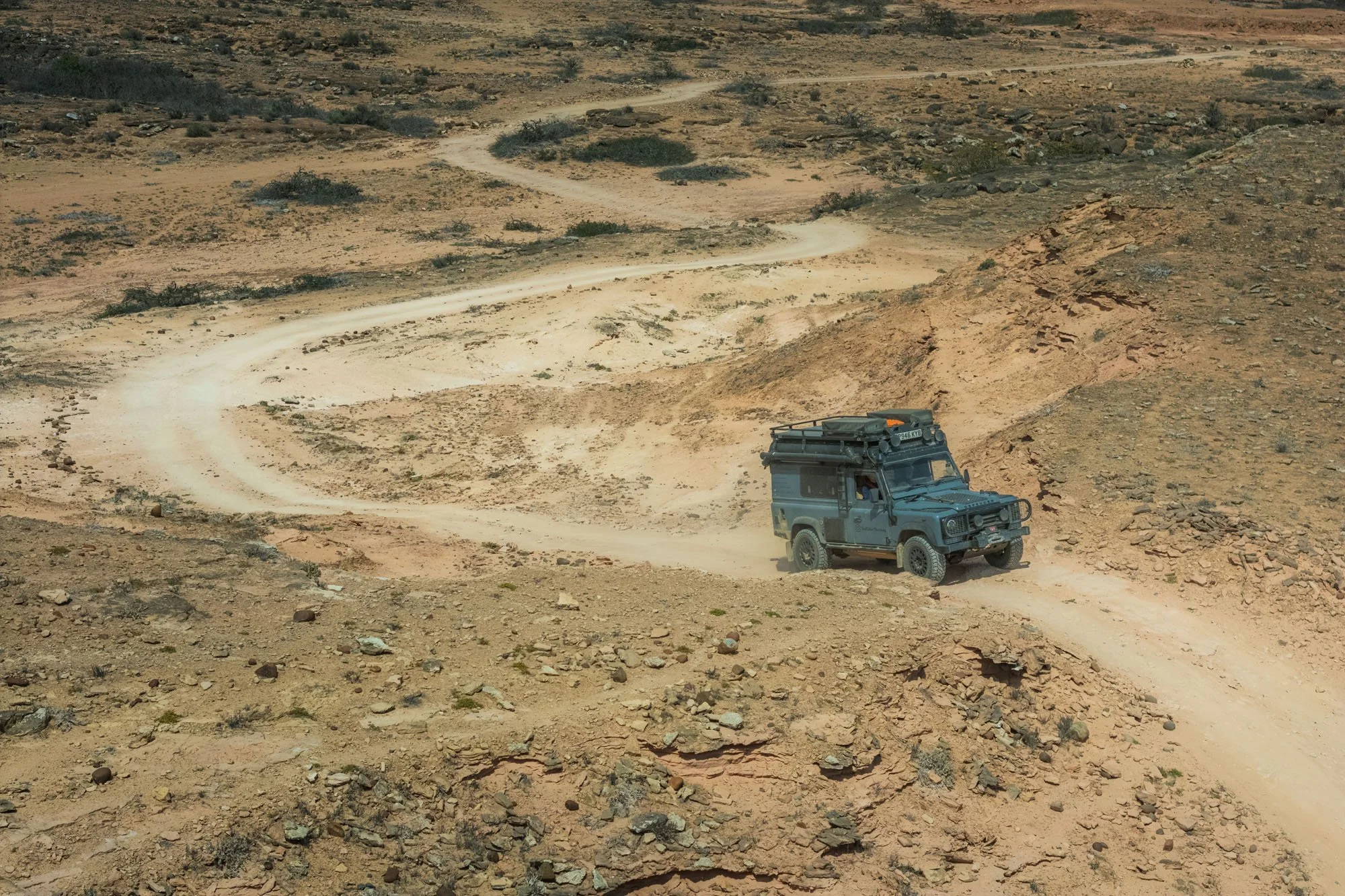
Racing through the scrubland to find another wildlife photograph
The Universal Theatre: From Chobe to Your Local Park
You don’t need to be in a Land Rover in Botswana to apply these principles. You can find Social Salience and Mirror Neurons in your local park, on a city street or in your own backyard.
The mistake most photographers make is treating an animal just as “a subject”. The reality is that a great wildlife photograph is a record of an encounter.
It is the evidence of two minds—one human, one not—meeting for a fraction of a second.
"So What" for the Photographer?
The next time you point your lens at a living thing, ask yourself: "Does this animal know I'm here?","What human emotion am I seeing reflected back at me?"
When you capture the moment of detection or the micro-gesture of care, you are giving the viewer a genuine connection to the wild they can feel.
The savannah rewards presence, not pace. Stop chasing the animal and start waiting for the "click."
Cliff is a Visual Ethnographer using psychology to capture the unvarnished reality of the human condition. If you are ready to stop documenting what things look like and start capturing what they really mean, get the Signal in the Frame blueprint. Join the expedition on YouTube here.
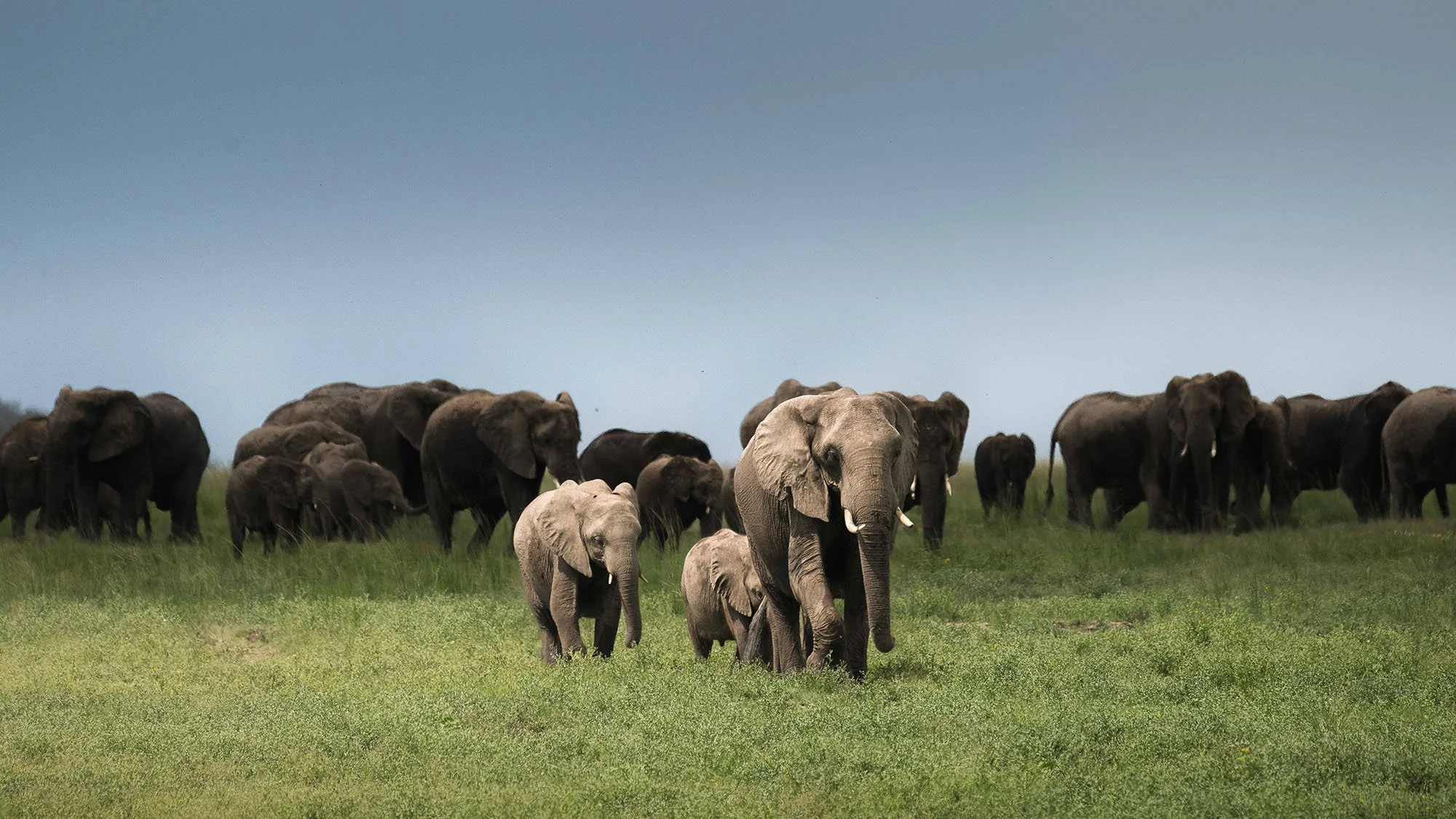
The family in the light, Chobe National Park