
The Friction of Freedom
How trading the comfort of a modern campervan for a ’97 Land Rover taught us what freedom is really about
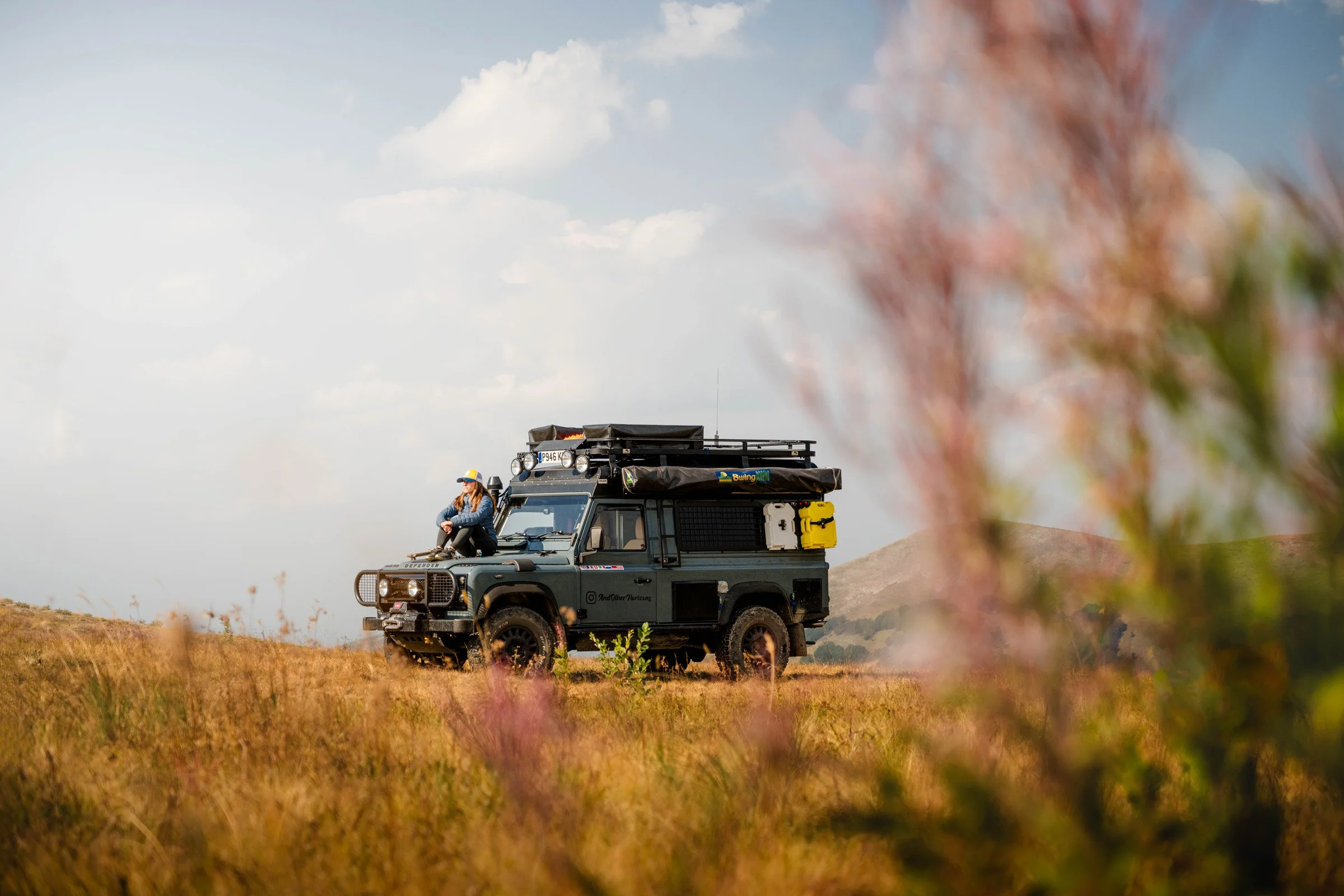
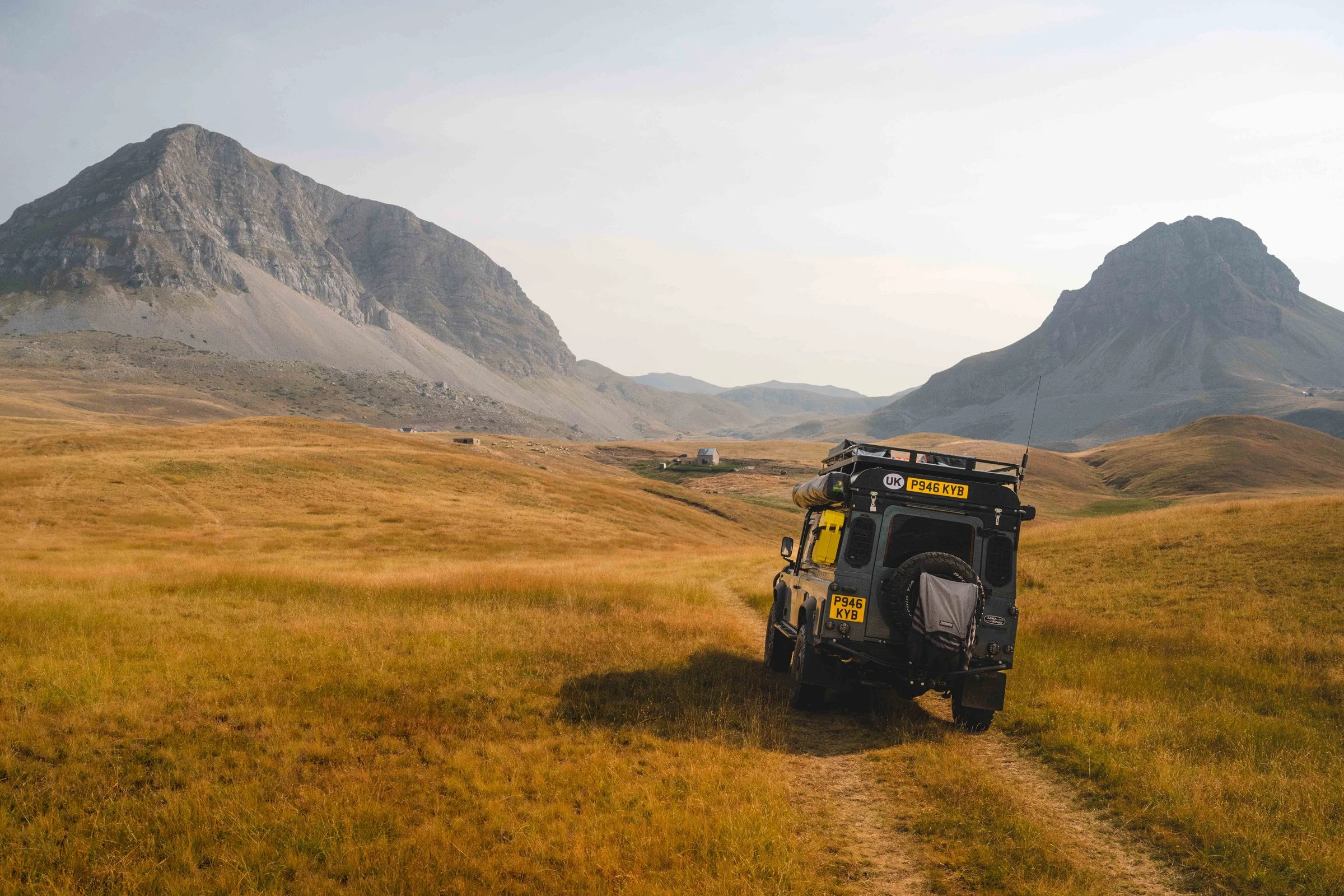
Sitting high in the hills of Biogradska National Park
Before we ever turned the key in the ignition of a Land Rover, my partner Mon and I lived the meticulously managed life of the modern West — safe, fed and entirely predictable. When the psychological fatigue finally became unbearable, we did what every modern domesticated dreamer does: we succumbed to the instagram allure of the camper.
Our first escape pod was a Volkswagen Crafter. At the time, it felt like the ultimate freedom machine. It was a sterile, white box of sanitized convenience. We spent months and thousands of pounds building out a mobile apartment, complete with a hot shower, a diesel heater and enough “luxuries” to ensure we never actually had to touch the dirt of the countries we planned to visit. It was a “domesticated” dream — we believed that by carrying our comforts with us, we could document the “wild” without having to give up on the nicities.
In our obsession with the “perfect” build, we had forgotten a fundamental human truth: we aren’t built for constant comfort. We are built for friction.
The Padded Cell
The universe has a violent way of correcting a false start. Within days of leaving the UK, our safety net began to fail. The shower leaked into the electrical system. The water heater welds snapped. The diesel heater stuttered and died in the cold Albanian nights.
We sat in a small amber pasture in Southern Albania, tears in our eyes, staring at a broken van. A breaking dream. We had invested months of planning and a small fortune into that “white box.” We were trapped by the Sunk Cost Fallacy — the cognitive bias that forces us to continue an endeavour once an investment in money, effort, or time has been made, even if the current costs outweigh the future benefits. We were clinging to the van not because it worked, but because we were terrified to admit that our “dream” was over.
But we realised that the van wasn’t just a mechanical failure; it was a psychological barrier. Our well-being was entirely at the mercy of complex inverters, fragile plastic latches and systems we didn’t understand. We were so busy trying to maintain the “perfect” amenities of our little white box that we had no cognitive bandwidth left to actually see where we were. We didn’t need a more reliable van. We needed a more visceral connection to the earth.
The Move Toward Friction
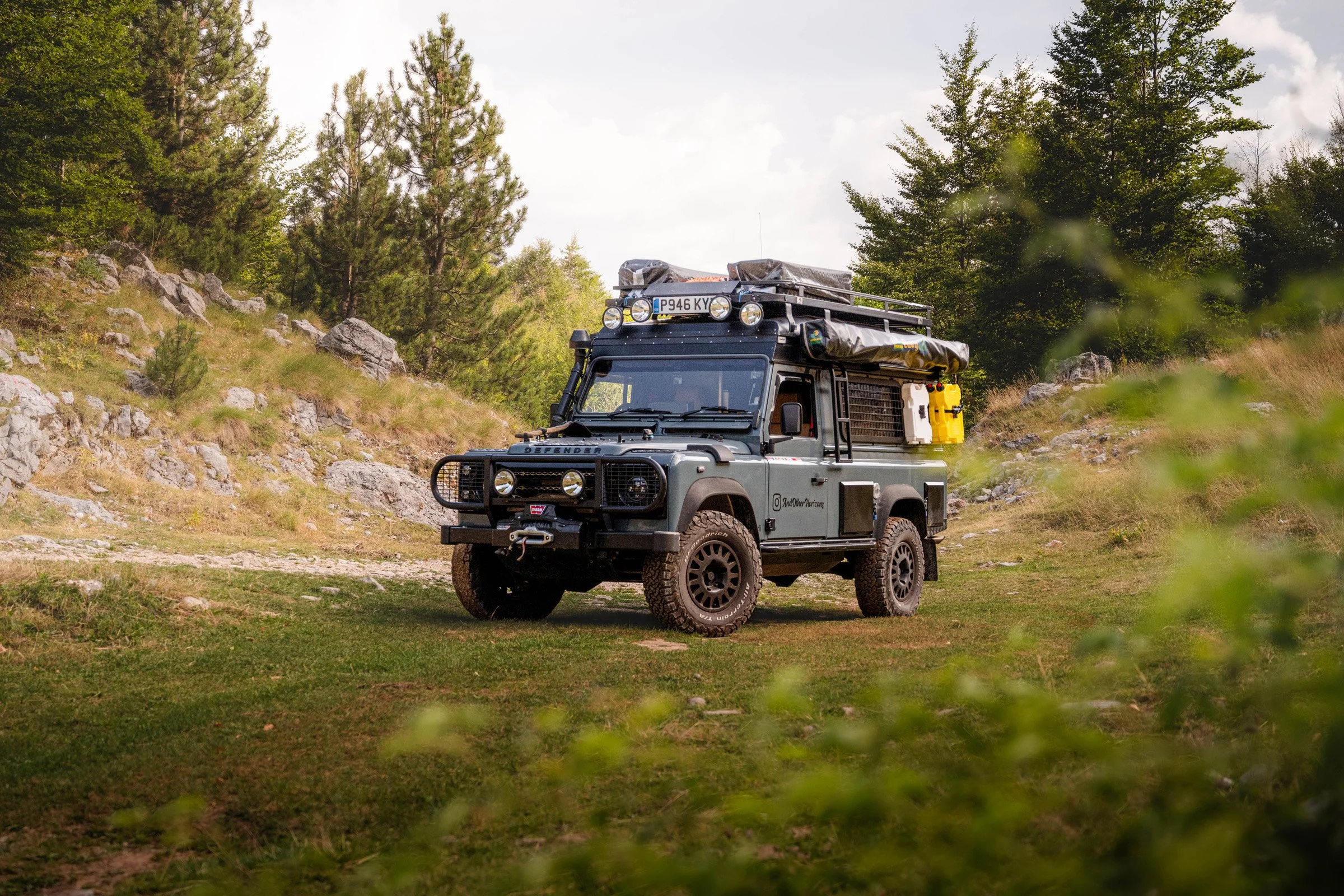
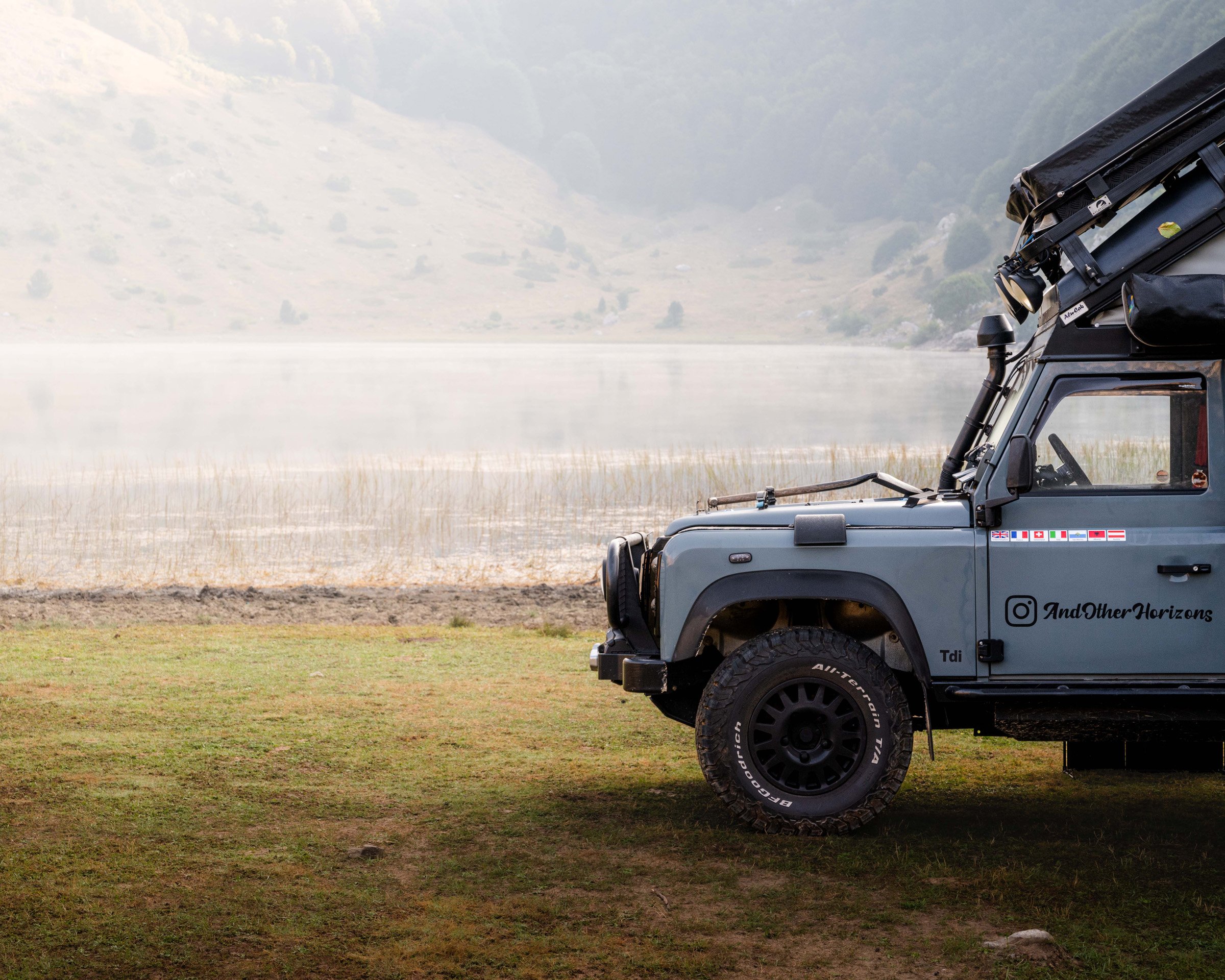
We drove back to the UK, sold the white box and bought Sully — a 1997 Land Rover Defender 110.
A Defender is not a “luxury” vehicle. It is a box of metal, glass, and oil that demands your total, unblinking presence. It is loud. It is hot. It leaks… And we instantly fell in love.
We headed for the mountains of Montenegro to test this new, unvarnished reality.
👉 Capture friction not postcards.
I’ve distilled 20 years of psychology and 50,000 miles of ‘unlearning’ into a system for capturing visual impact. If you’re ready to see the world without the filter of comfort, check out The Signal in the Frame.
Meandering down the Trans-Euro-Trail (TET), the change was immediate. In the Defender, on remote tracks, there is no autopilot. Navigating the rough-hewn rubble tracks and hairpin bends of Biogradska National Park is a physical negotiation between man, machine, and gravity. Every mechanical idiosyncrasy — a leaking diesel pipe or a heavy gear change — requires your total focus.
In our previous desk-job lives, our sense of competence was abstract, tied to spreadsheets and strategy decks. Now, it was tangible. Learning to fix a leak-off pipe on a dusty mountain track provided a hit of dopamine that no corporate “win” ever could. We were no longer passive passengers in a white box; we were becoming the masters of our own movement.
The Psychology of Stewardship
In a world of “disposable” technology and “set-and-forget” convenience, owning a 30-year-old vehicle is an act of profound mindfulness. You cannot ignore a Defender. It talks to you through vibrations in the floorboards and the smell of hot oil.
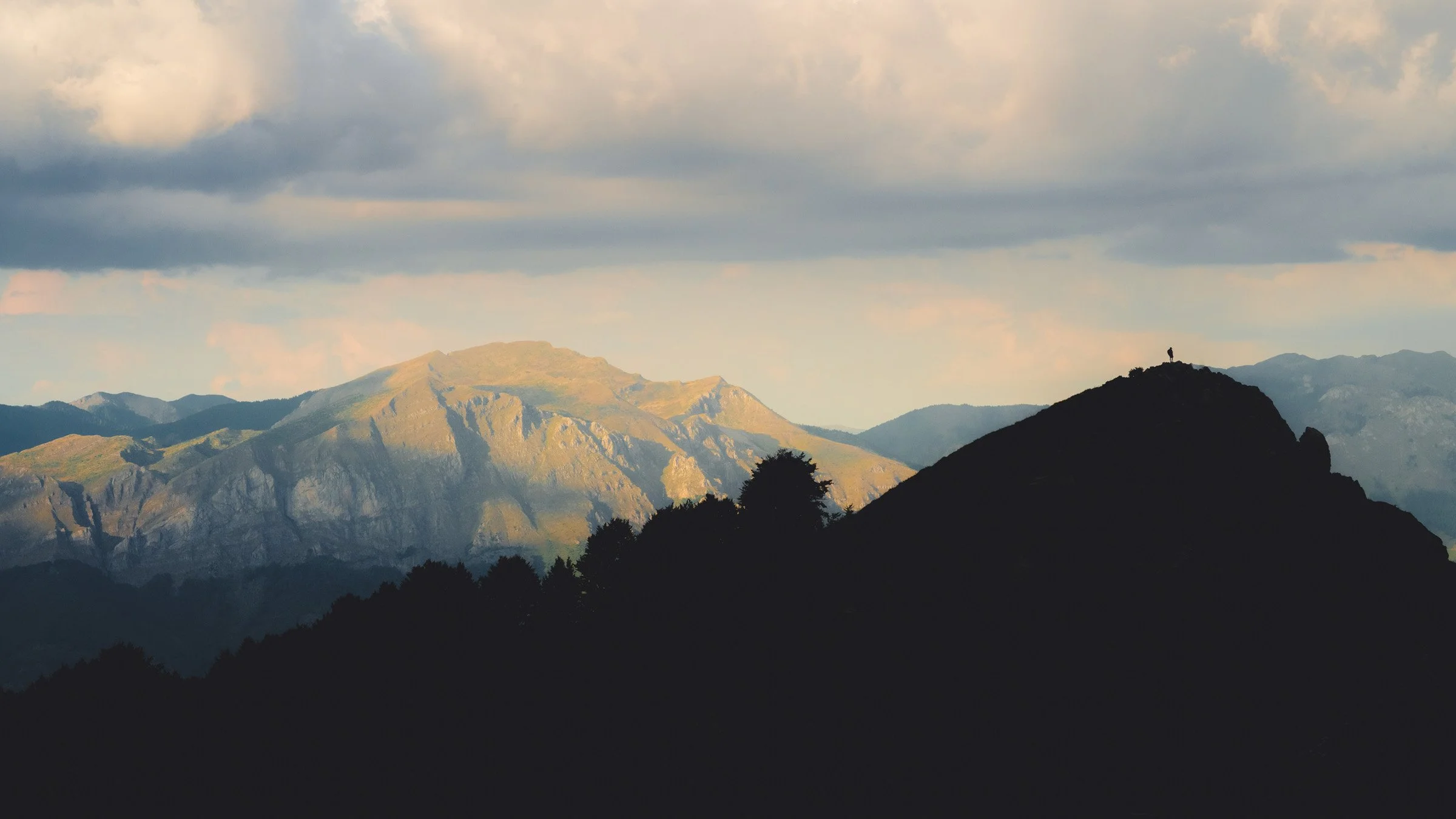
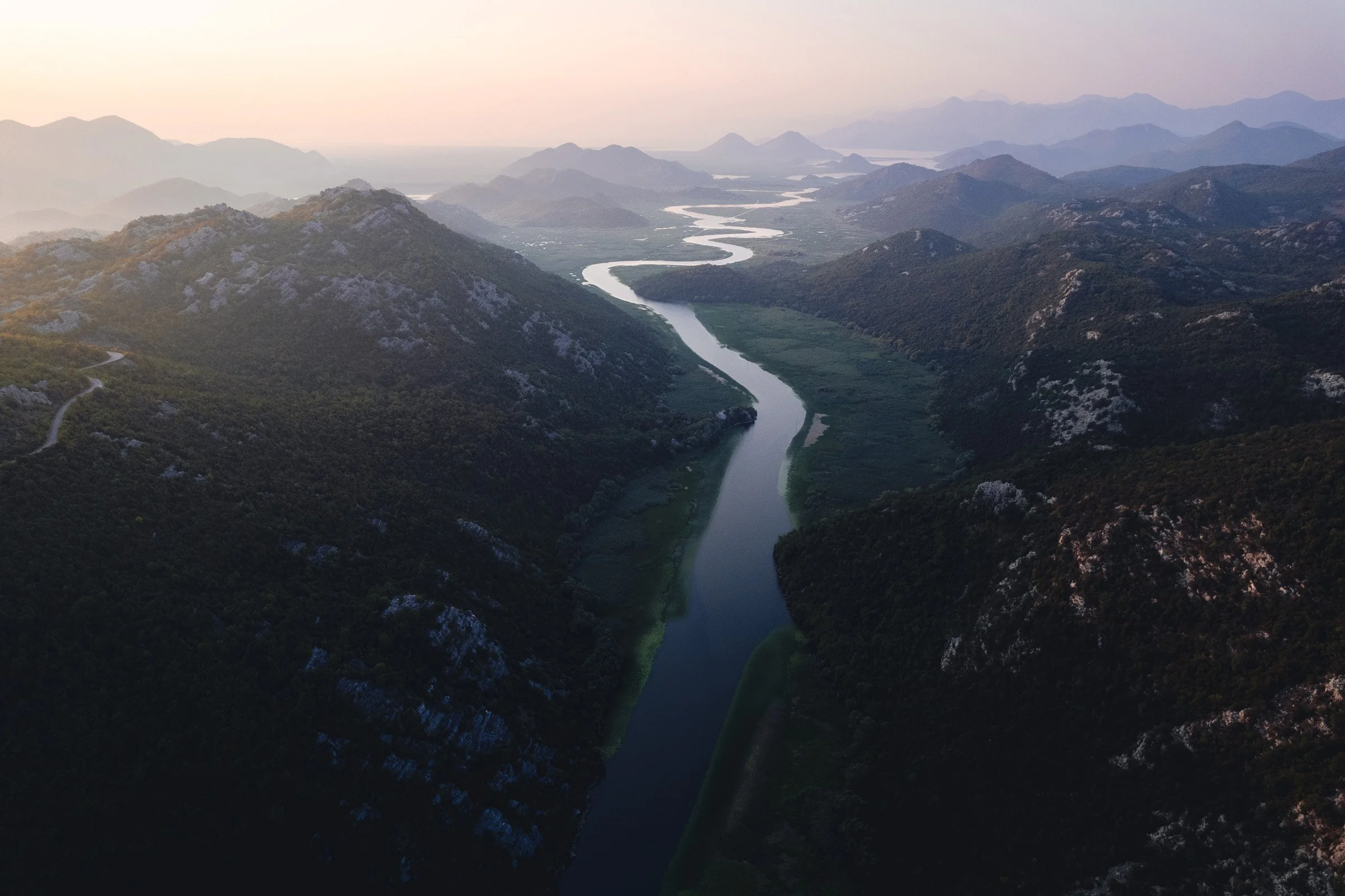
But as we traversed the landscape we realised we weren’t “owners” of this machine in the modern sense. We were merely its stewards. Sully had survived seven previous owners since 1997, each rigorously keeping a record of every fix and upgrade in an overflowing plastic box of receipts. We were simply adding our own chapter to his incredible lineage.
This stewardship changed our mindset. Every leak wasn’t a “problem” to be resented; it was an invitation to understand the machine. It forced us into the present.
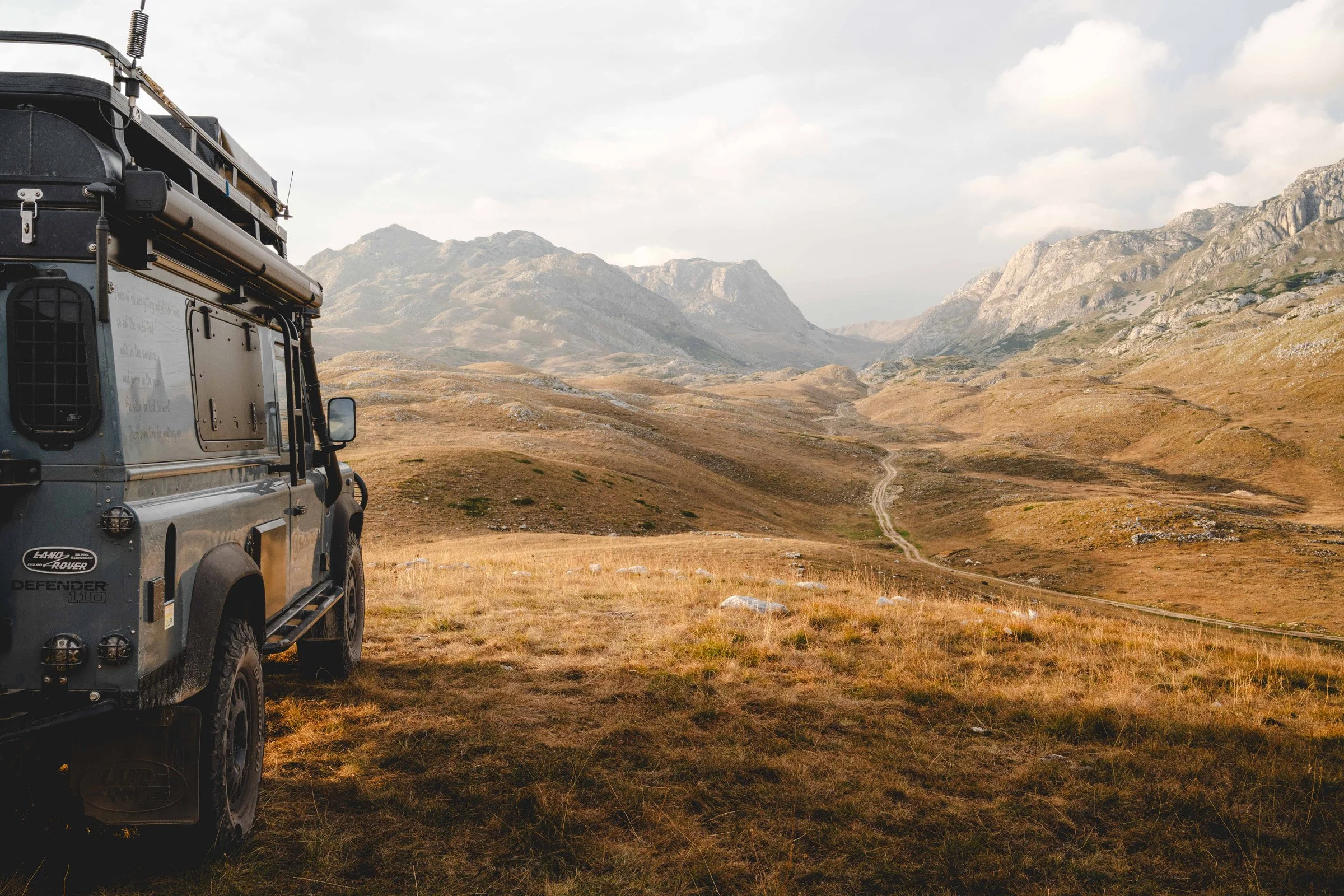
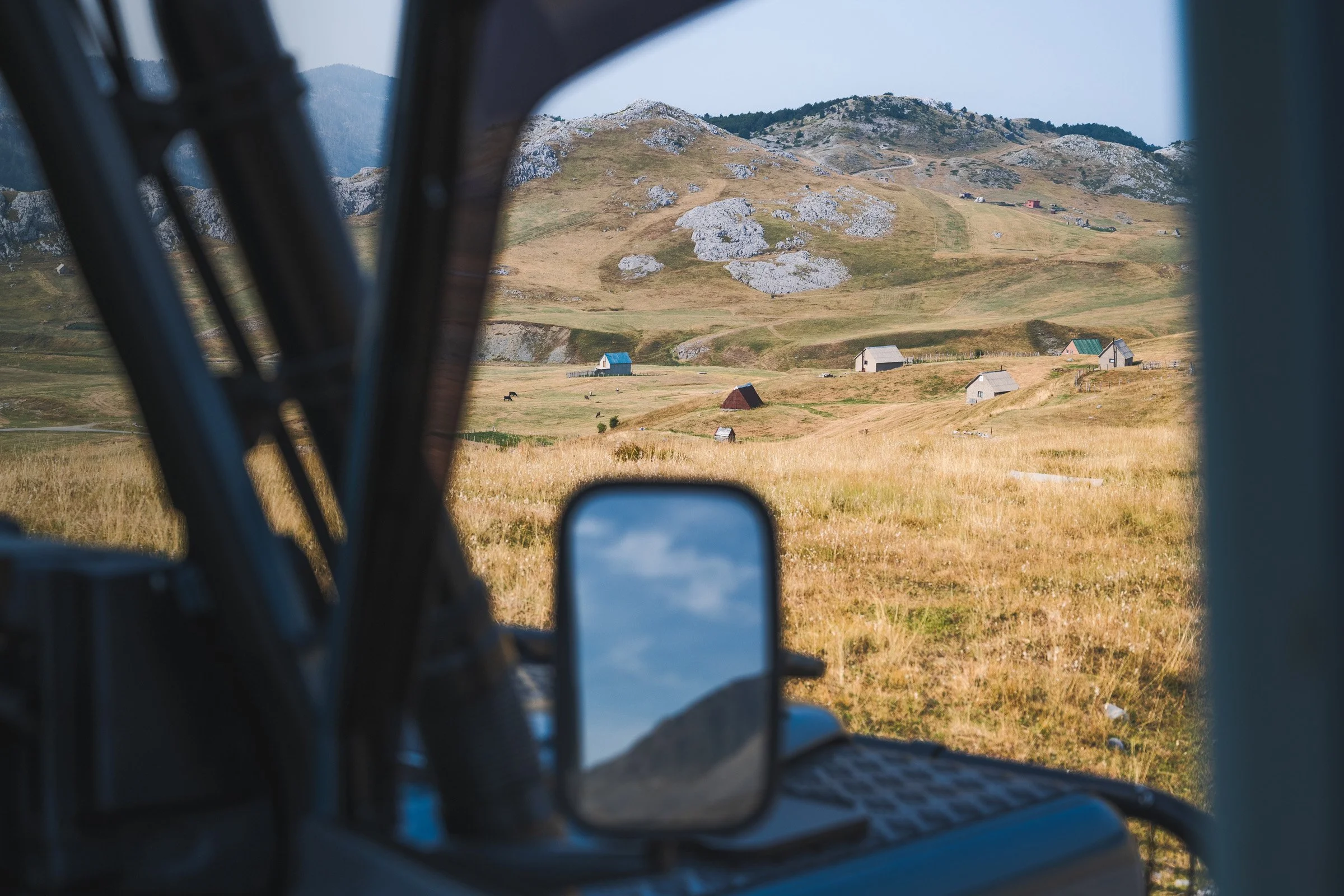
Eyeing up a track through Durmitor National Park
Montenegro and the “Small Self”
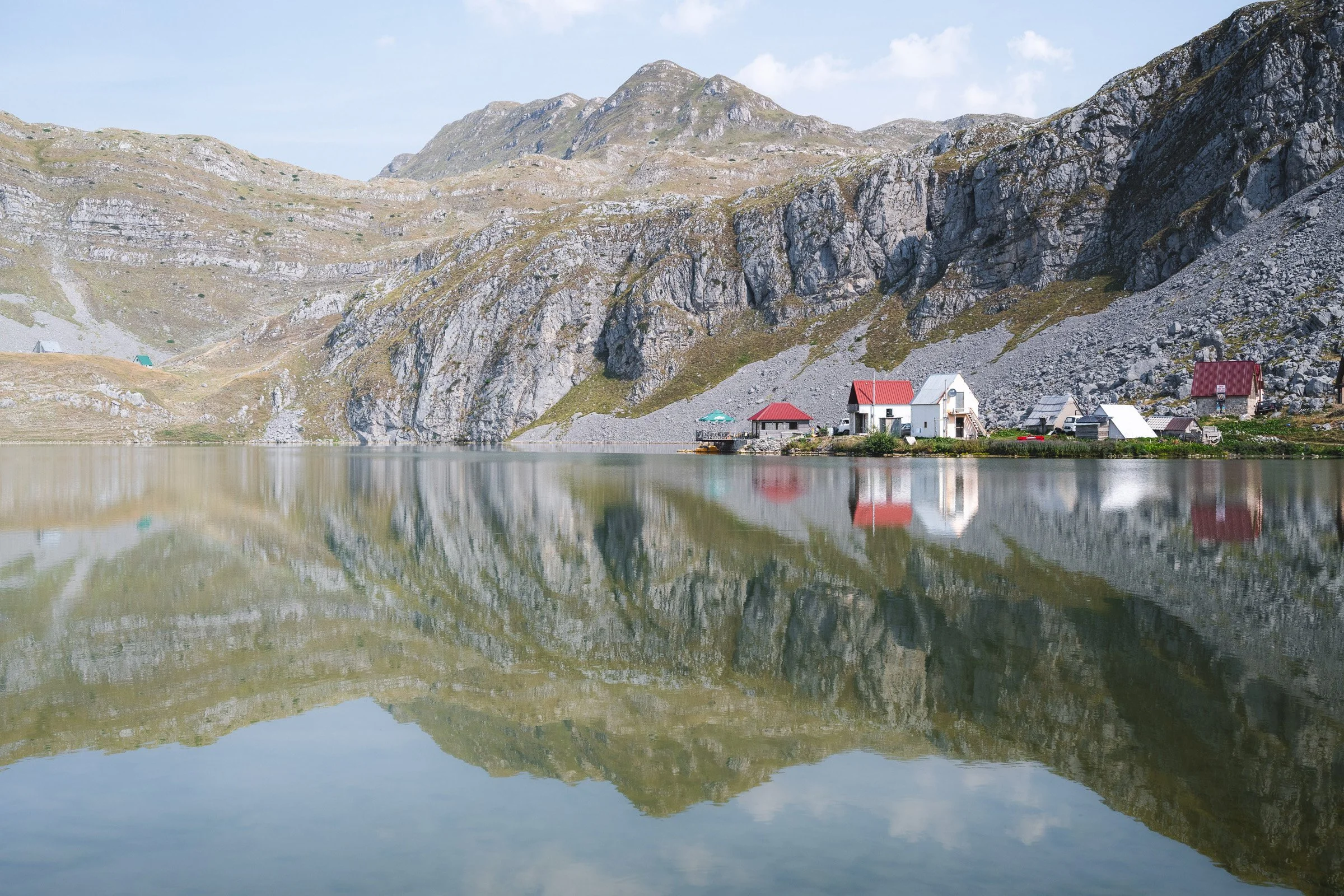
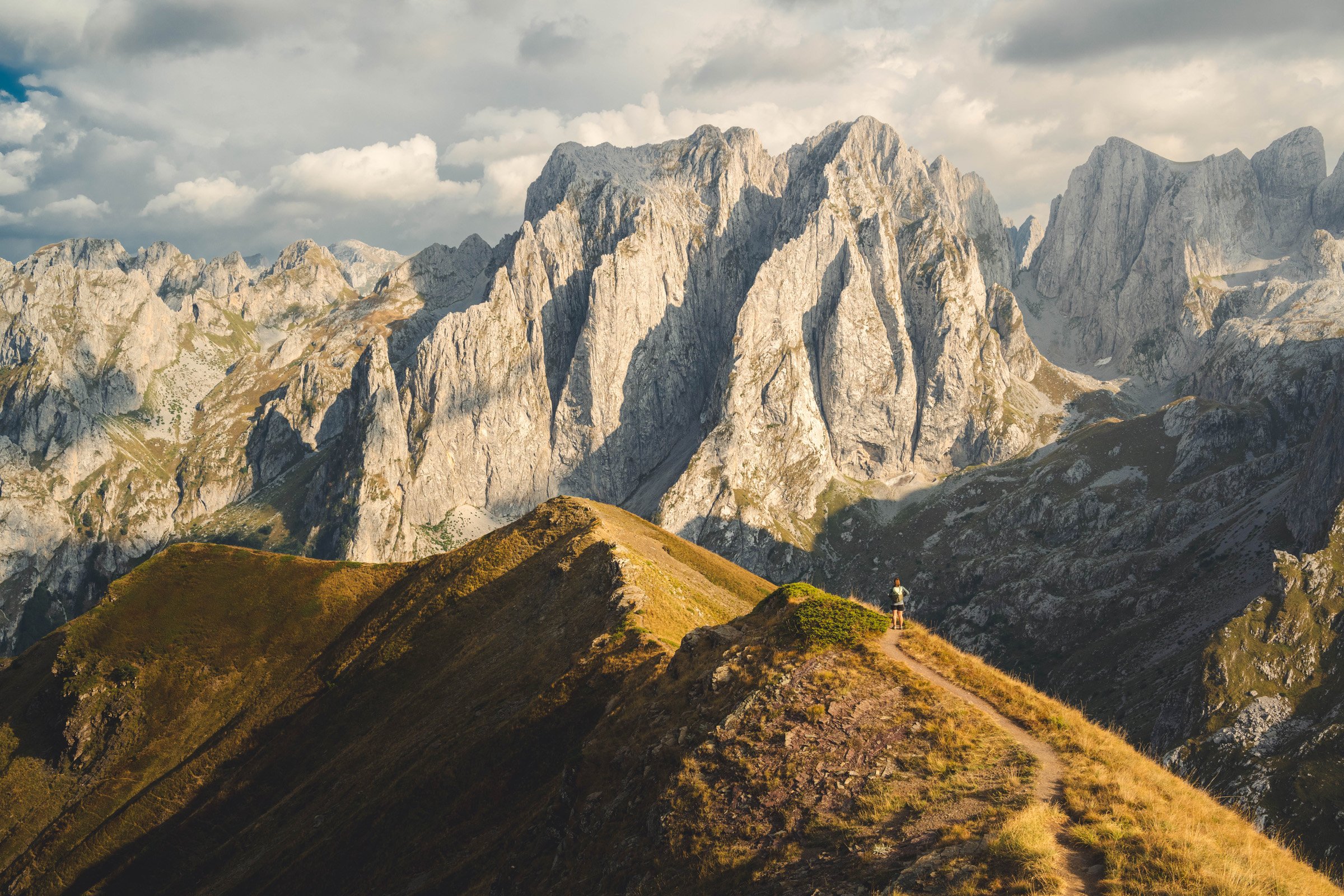
We pushed further into the Durmitor National Park, a fortress of stone where the mountains rise like ancient sentinels above alpine meadows. The landscape here is both formidable and inviting — a testament to the raw power of the natural world.
It was here, while battling high winds and sudden thunderstorms that rocked the Defender, that we encountered the Psychology of Awe. Awe is a documented psychological state that triggers the “Small Self” phenomenon. In our modern, urban lives, our egos are too big. We are the centre of our own digital universes, stressed by trivialities and obsessed with our own importance. This “inflated self” is the primary driver of burnout.
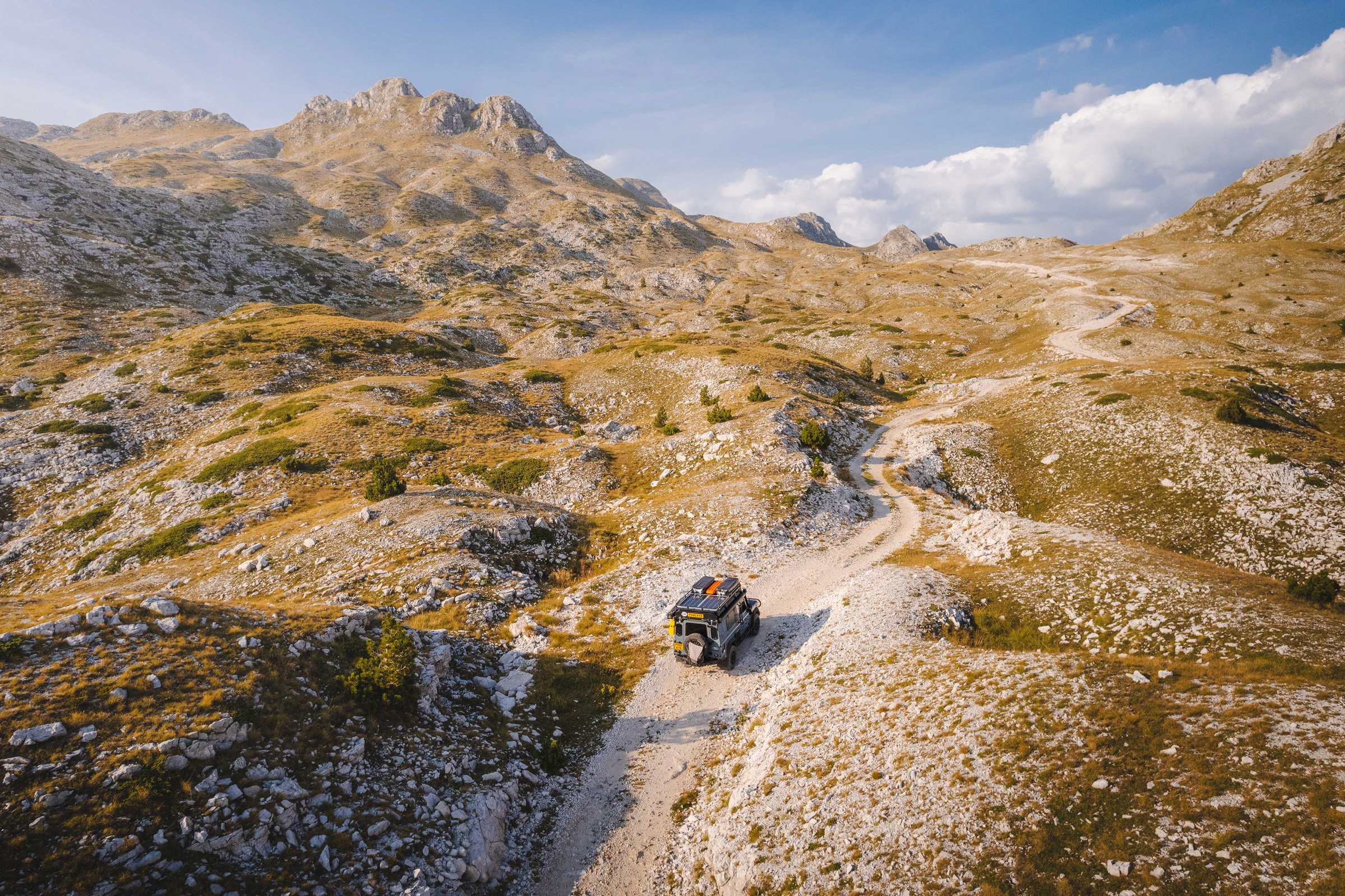
Traversing Durmitor National Park
But standing in an exposed camp spot, sheltered only by a thin sheet of aluminium while the elements roar outside, you are hit with a physical sense of your own insignificance. You realise that the mountains do not care about your plans, your social media feed or your broken diesel heater.
This “Smallness” is the ultimate psychological freedom. When you are reduced to a tiny, vulnerable guest in a vast, indifferent world, your ego finally stops screaming. The mountains of Montenegro right-sized us. They provided the silence we needed to finally begin to notice the world again.
We all have ‘desk-job selves’ that have grown too large for our own well-being. You don’t need a Land Rover to find your small self, but you do need to find your own limestone fortress — a place where your ego is finally forced to be quiet.
The Origin of Seeing
This silence changed how I held my camera. I’ve been a photographer for years, travelling the world in search of something, but too often coming back just with the postcards. But in the grit of the Montenegrin mountains, my brain’s internal filter stopped looking for “pretty” and started looking for truth. When you strip away the anaesthetic of comfort, the world reveals something. You start seeing differently, responding differently and trying to feed that friction of reality into the frame.
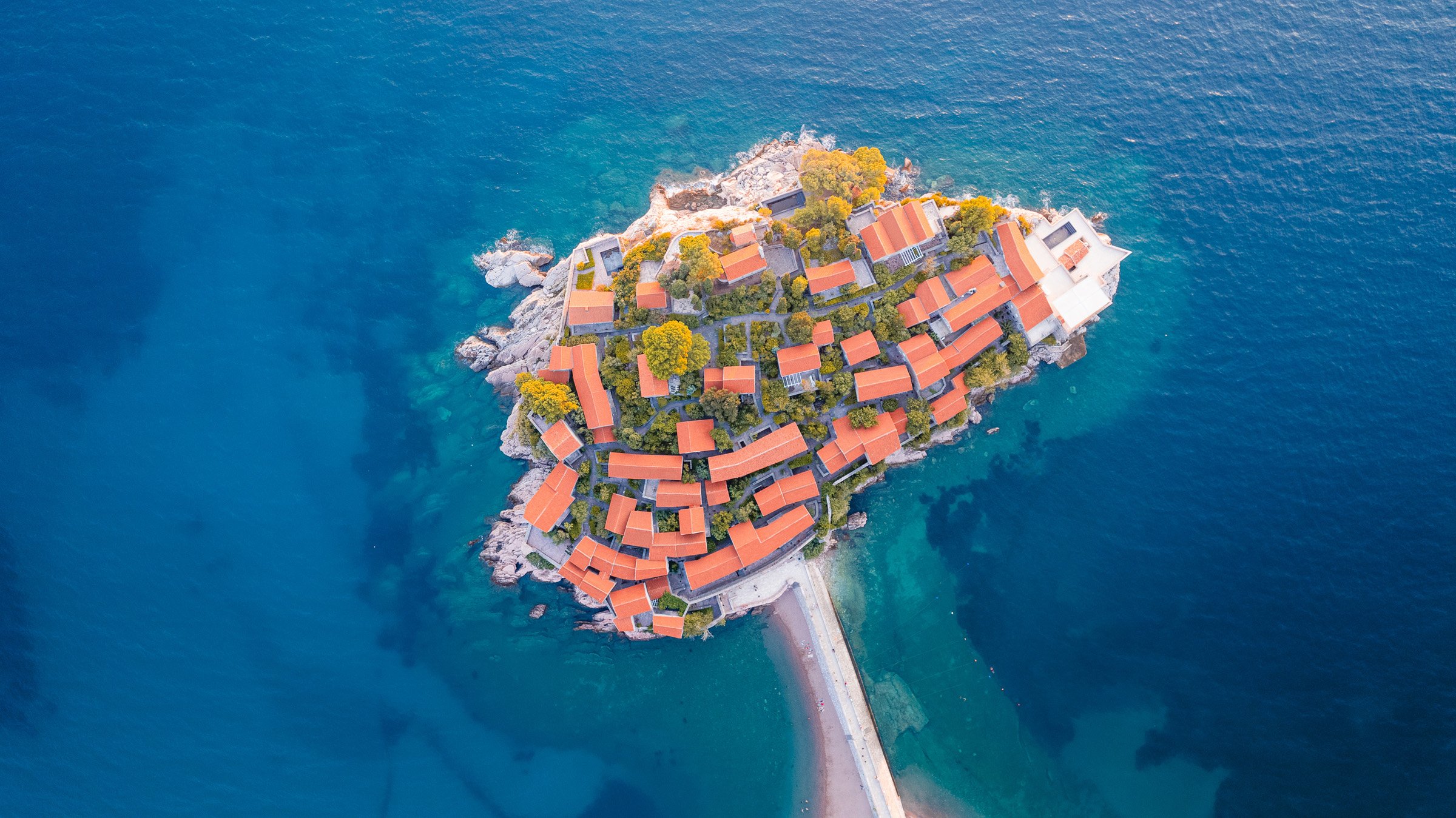
By the time we meandered out of the mountains and toward the coast, the transition was complete. Our “desk-job selves” had been revitalised, not through relaxation, but through resilience.
I remember driving away from Lake Rikavac, listening to the steady diesel heartbeat of the Defender tick away in the early morning light. I looked back at the rubble track we had conquered to get here and smiled. A few weeks earlier, our dream had been in tatters because our “comfort” had failed us. Now, our adventure was reborn because we had embraced the friction.
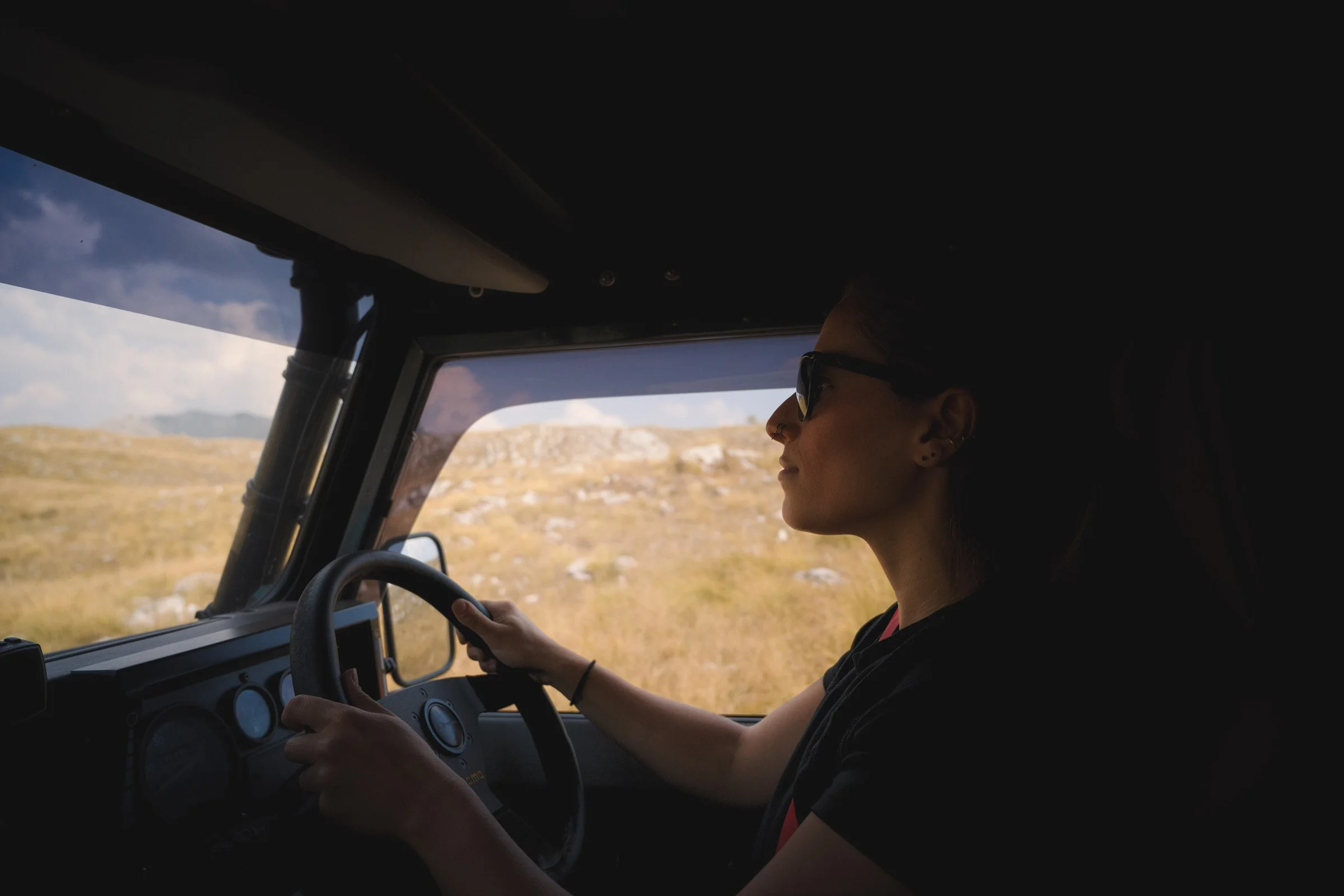
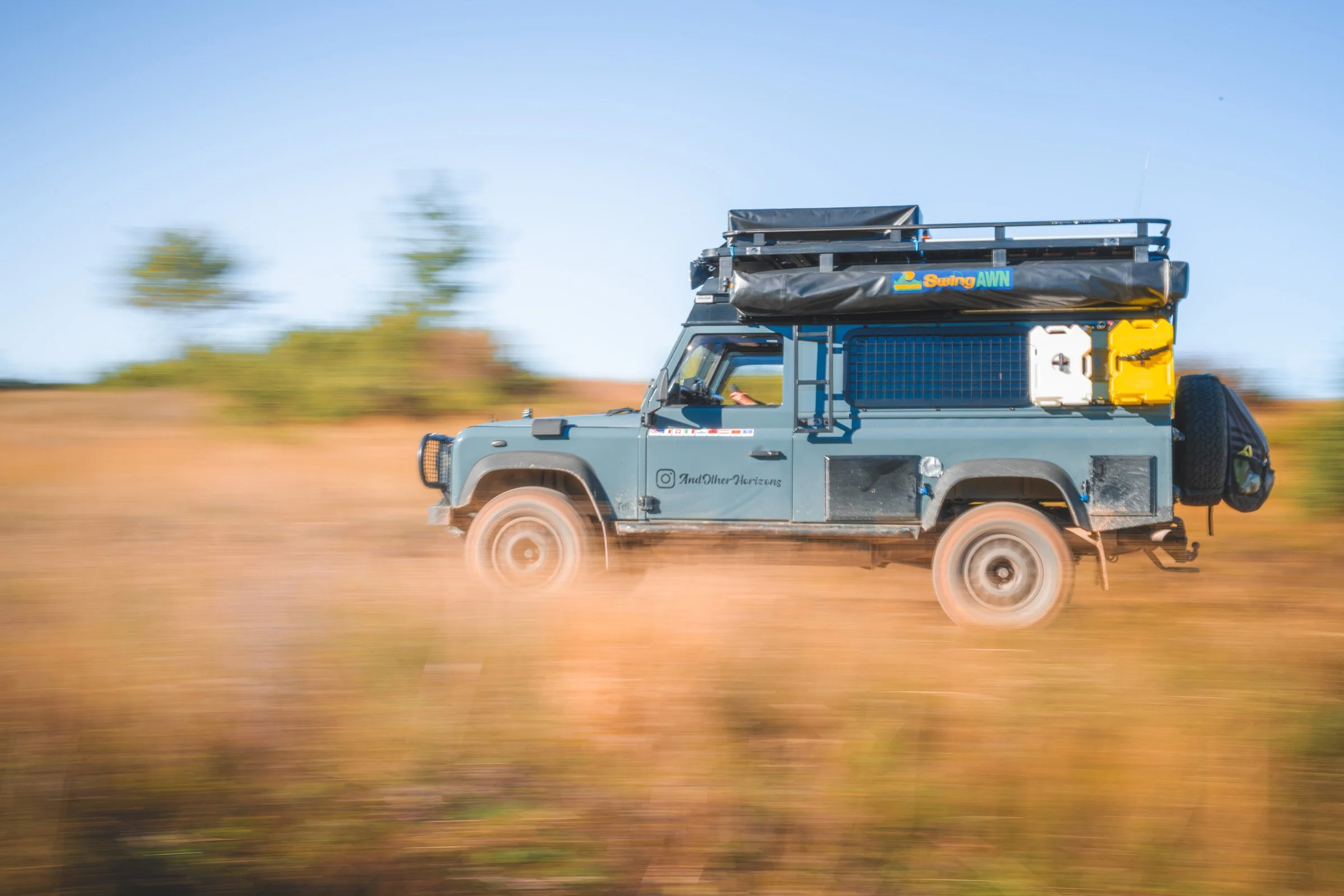
I used to defend the Defender’s leaks by saying, “A Land Rover never leaks; it just marks its territory.” But looking back at the oil spots left in the dirt of the Balkans, I see them as something else: a receipt. They were the cost of our entry back into the unvarnished reality of the world.
The obstacle wasn’t the broken van, the leaking pipes or the vertical mud tracks. The obstacle was our own expectation of ease. Montenegro taught us that the dream isn’t a destination you arrive at; it’s a state of mind you earn through struggle. We’d found that the obstacle isn’t something to be avoided — the obstacle is, in fact, the way.
Cliff is a Visual Ethnographer. With a background in psychology and behavioural science, he travels the Earth’s challenging environments to decode human psychology and capture that authenticity with his camera. If you’re tired of taking ‘postcard’ photos check out ‘The Signal in the Frame’ and if you want to join his Land Rover adventures, they can be found here.
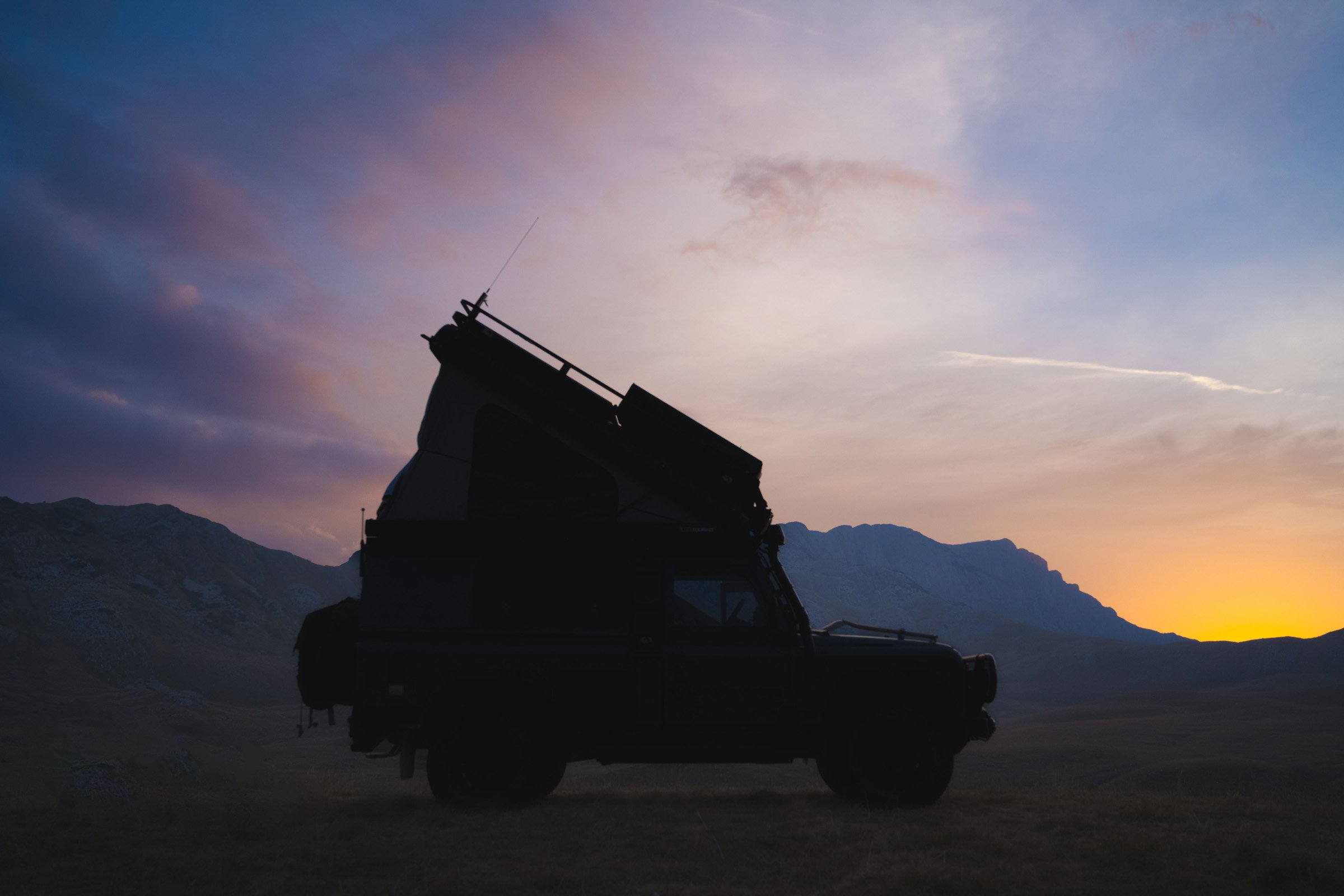
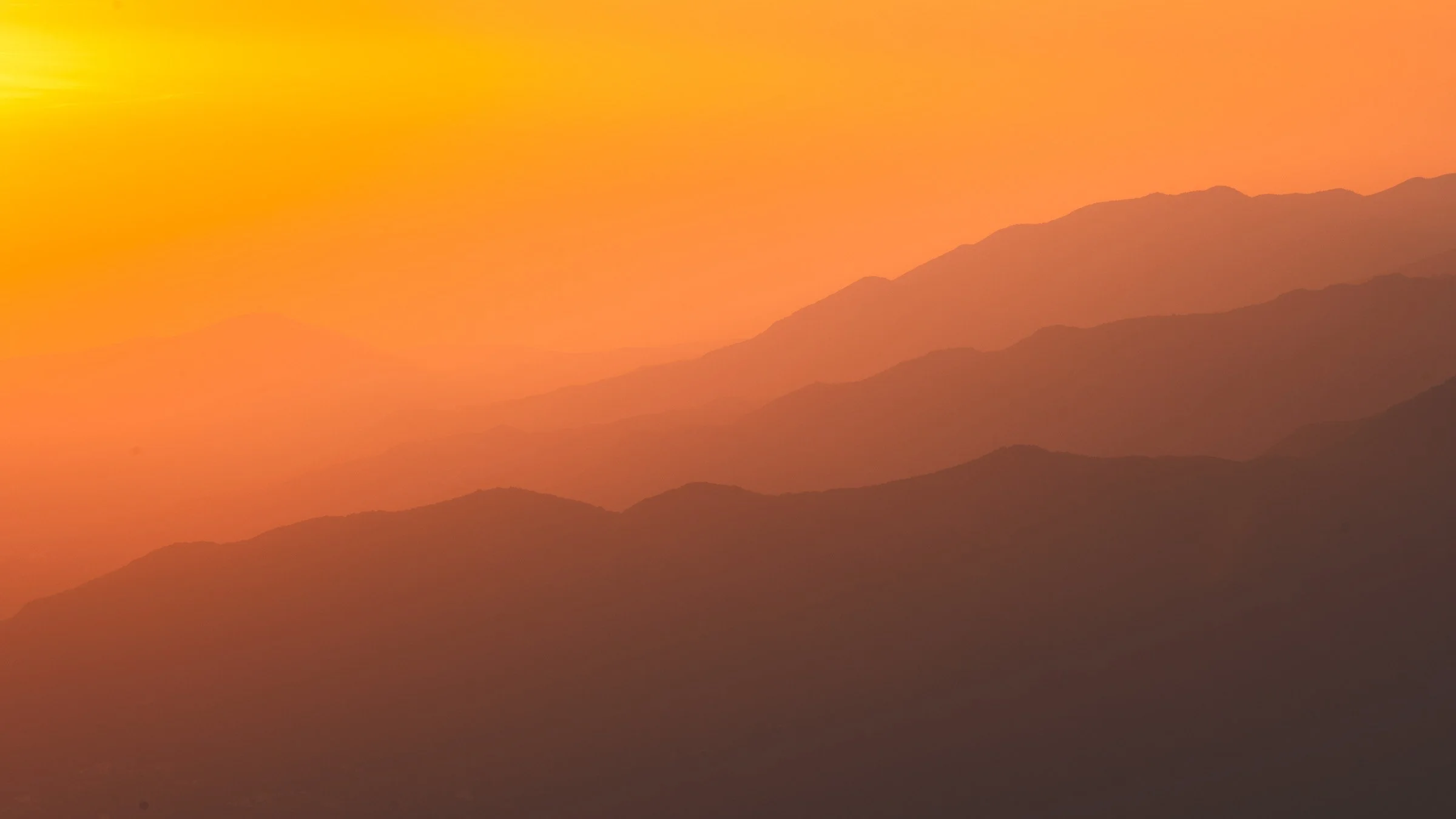
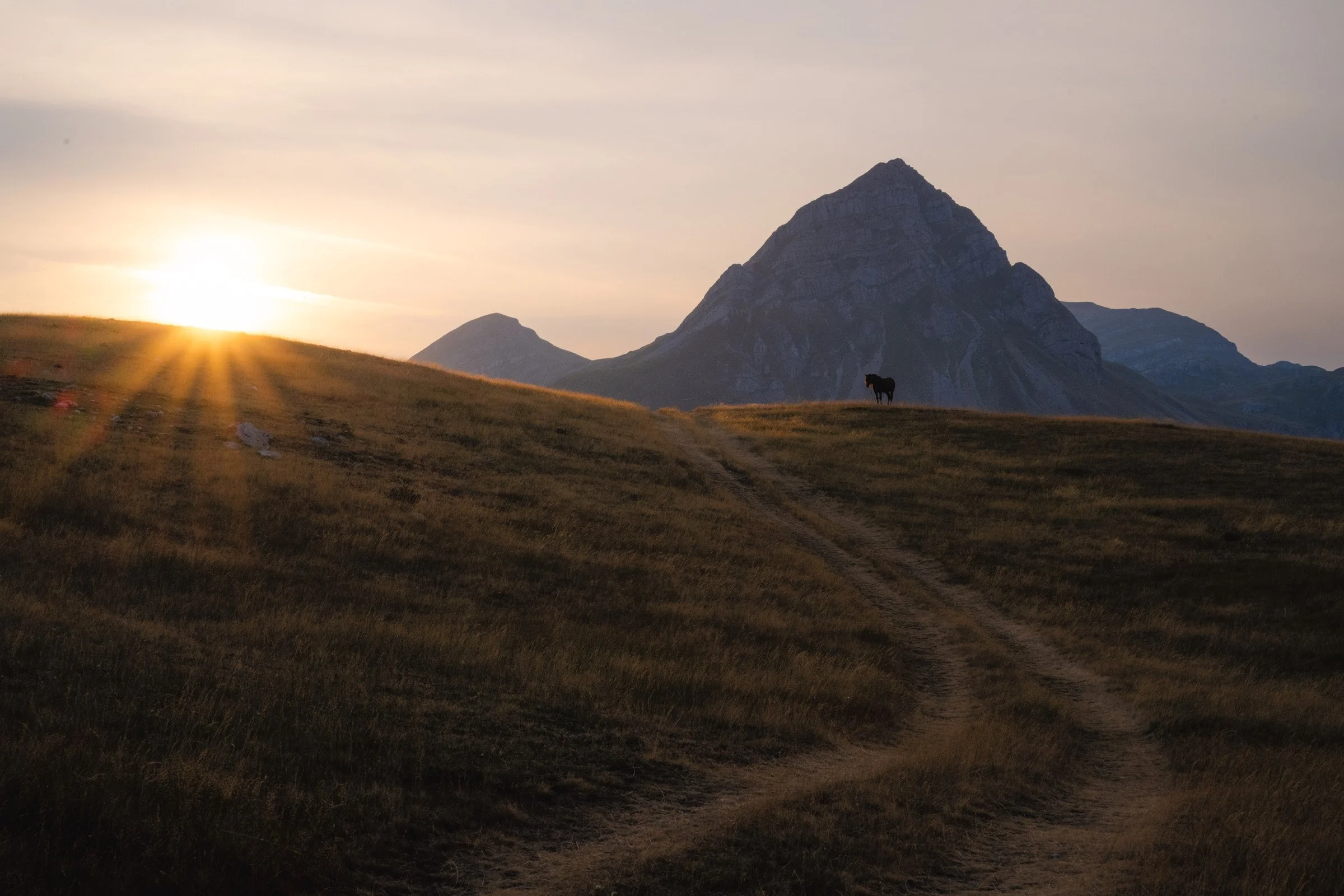
The perfect view at sunset