
How landscape photographers can help.
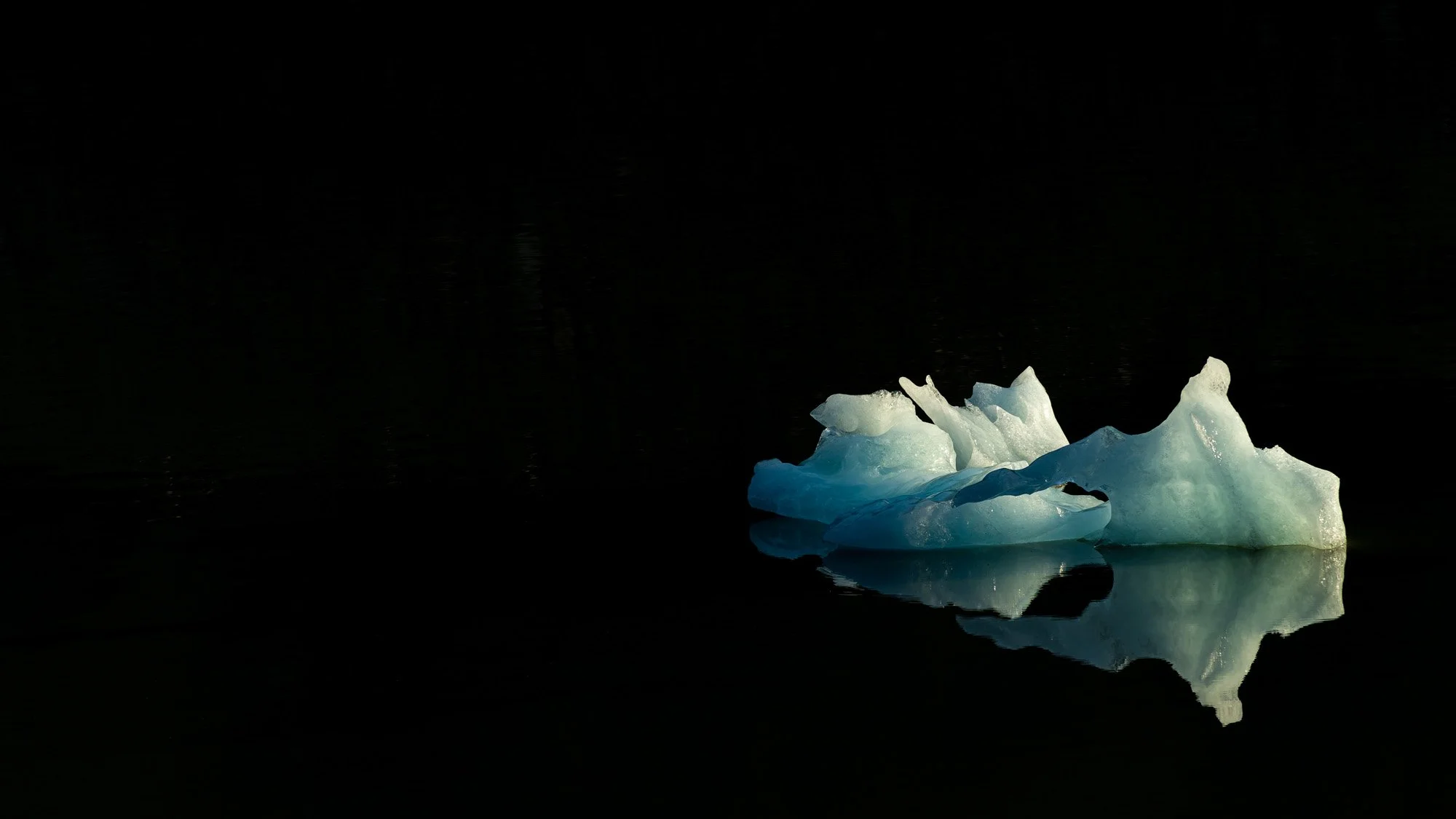
El Chaltén, Patagonia. A solitary fragment of ancient ice floating in negative space strikes the emotional nervous system faster than a thousand melting-glacier statistics.
Every year the UN Climate Change Conference rolls into a town somewhere.
The rituals of COP are familiar to us all now: motorcades of diplomats in dark suits, late-night negotiations over decimal points, and a fresh barrage of catastrophic headlines. We are presented with graphs trending steeply upward in shades of angry crimson: parts per million, gigatons of melting ice, fractions of a degree of warming.
The crisis is real.
Personally, I find it terrifying.
Yet if you watch how many respond to this deluge of existential data, you will notice a strange, collective paralysis.
People glance at the charts, read the apocalyptic forecast and quietly close the browser tab.
I’m not saying they look away because they don’t care. Far from it.
They look away because the climate crisis has a visual problem. The media’s visual language of environmental change has been reduced to two extremes:
The Language of Panic: Terrifying spreadsheets, red weather maps, and apocalyptic disaster footage but it makes people feel helpless, guilty and anxious.
The Language of Escapism: As photographers, we often chase the golden hour, smooth out water with ten-stop filters, and manufacture tranquil scenery that looks pretty on Instagram.
Spreadsheets numb the brain with guilt.
Postcards numb the brain with comfort.
Neither creates genuine, lasting environmental guardianship.
As I’ve been pondering this year’s COP I’ve come to the conclusion landscape photographers have a vital role to play—not as activists with megaphones, but by understanding how we can use our craft—and our skill—to connect more people to the earth.
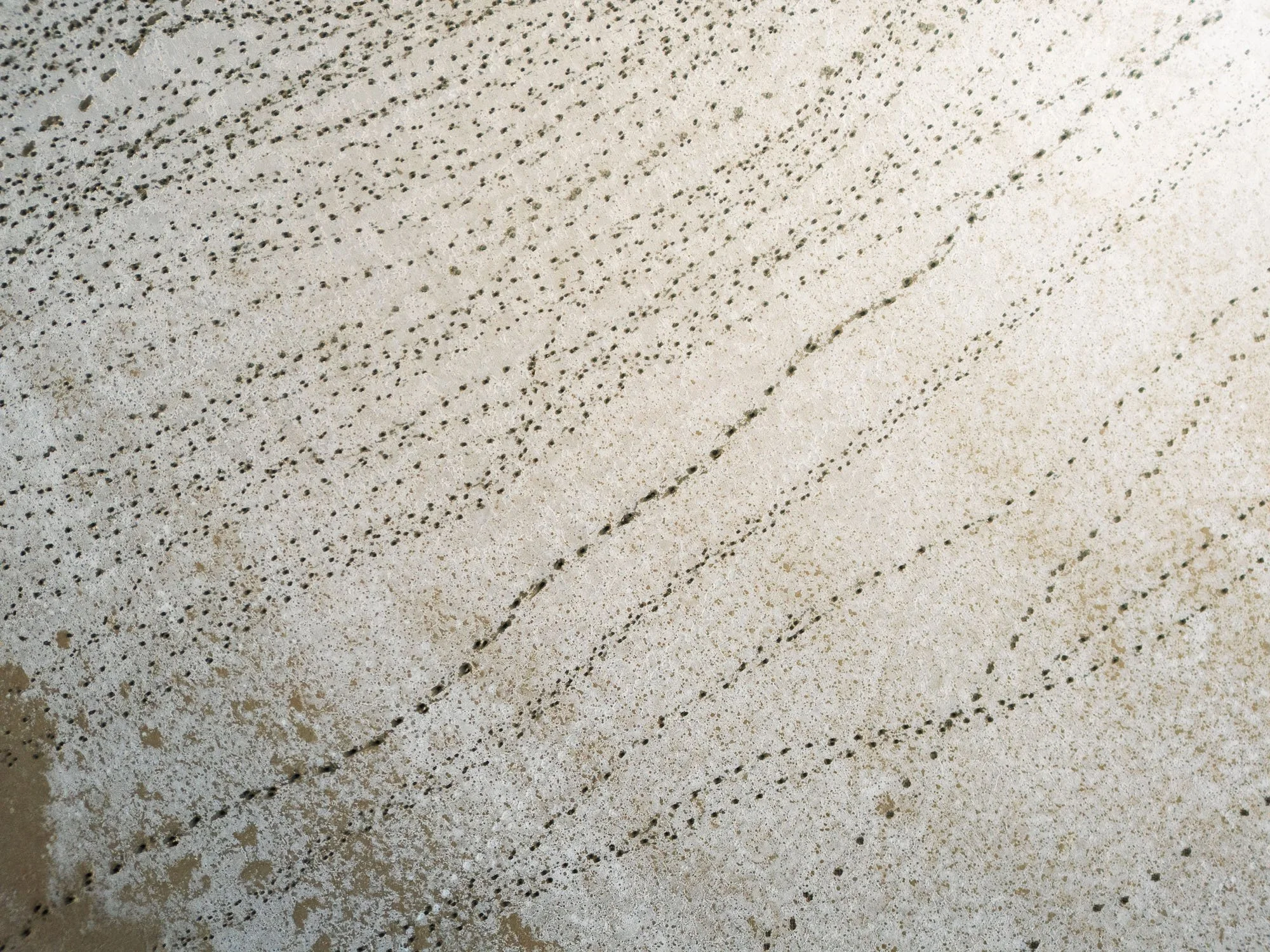
Tuz Gölü, Türkiye. Human compassion evolved to respond to singular living beings; when presented with abstract planetary scales, our emotional circuitry collapses into psychic numbing.
Why Data Kills Connection
Dr. Paul Slovic demonstrated the phenomenon of Psychic Numbing—the sobering psychological reality that human compassion does not scale with numbers.
Our empathy evolved in small ancestral bands. We are finely tuned to react to the concrete, singular reality of another living creature: a child crying, a companion shivering, an animal limping. When presented with a single subject, our emotional engagement is intense.
Scale that number to thousands—or to billions of tons of carbon across a planet—and our emotional circuitry collapses.
Psychologists say we go into empathic distress. The brain treats the data as an inescapable threat, dampens our sensitivity and retreats to protect our mental health.
You cannot scold someone into falling in love with the planet.
And you cannot lecture a viewer into caring through an infographic.
We don't need more terrifying charts. We need images that strike at the viewer's heart.
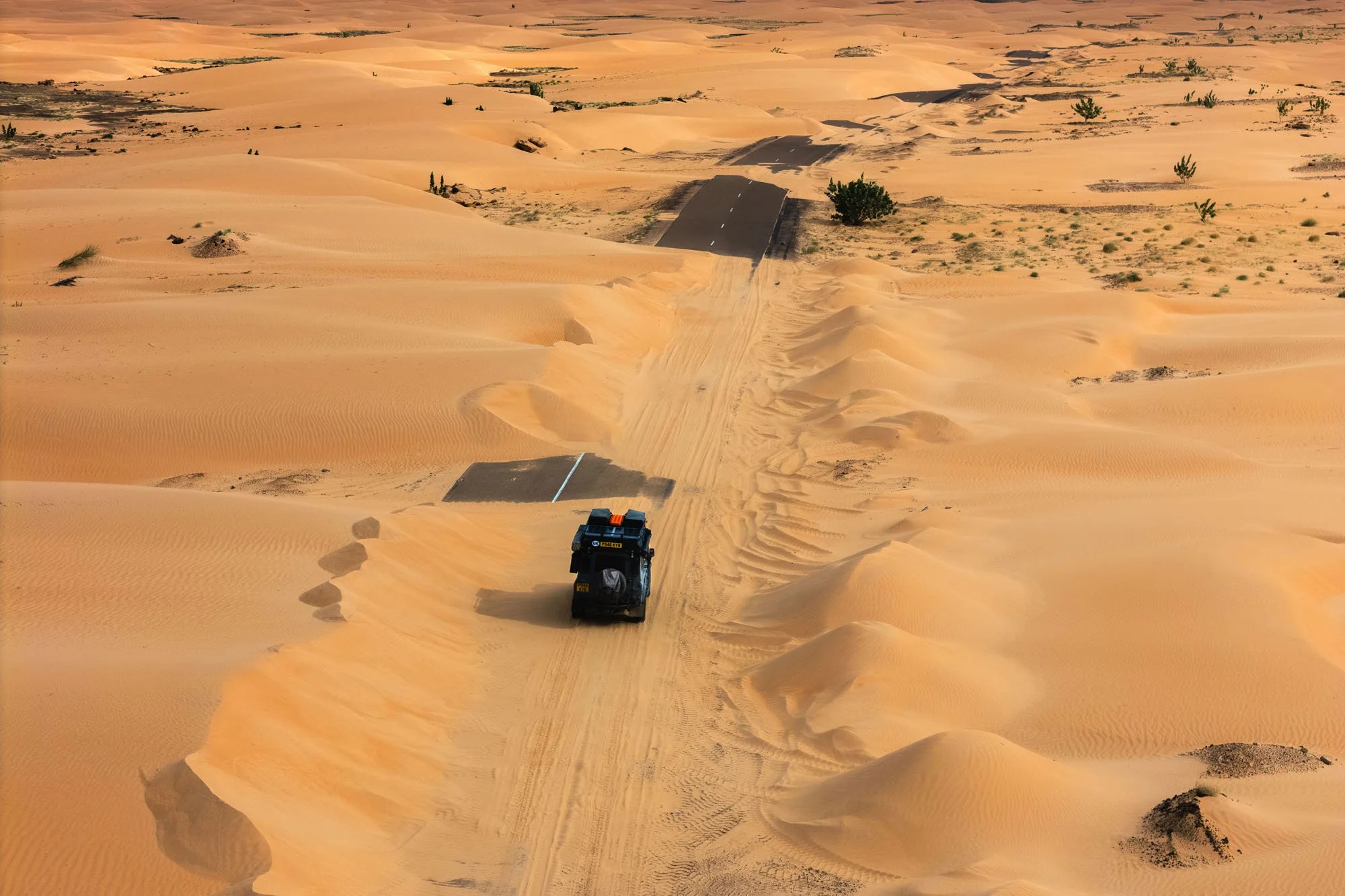
Mauritania. Stepping into the wilderness reveals an undeniable truth: nature is not an ornamental backdrop for human convenience, but a living, indifferent force.
The Overview Effect
In 1987, space philosopher Frank White coined the term The Overview Effect to describe the profound cognitive shift reported by astronauts looking back at Earth from orbit.
Floating in the vacuum of space, looking down at a paper-thin ribbon of atmosphere shielding an intensely vibrant, borderless planet, astronauts experience an overwhelming realisation of interconnected fragility.
Almost without exception, they return to Earth permanently transformed—driven by an intense, lifelong need to protect the planet.
For decades, we’ve treated this experience as a luxury reserved for the handful of people who have strapped themselves into a rocket.
I don’t believe we all need to become astronauts to experience this though.
I’ve spent years exploring from the seat of my Land Rover and through my lens. I’ve sat on a roof tent deep in the Sahara, 300 miles from the nearest human settlement, where the silence was so intense it rang in my ears. I’ve stood on coastal cliffs in Angola watching the South Atlantic smash against an empty shore.
Sitting in those kinds of wilderness, you don't feel like the master of the world. You don't feel powerful, clever or important.
You feel completely, beautifully irrelevant.
And here is the psychological paradox: that feeling of insignificance doesn’t trigger depression. It triggers pure, unadulterated peace.
This is the power of landscape photography. It can help people to experience the Overview Effect on solid ground.
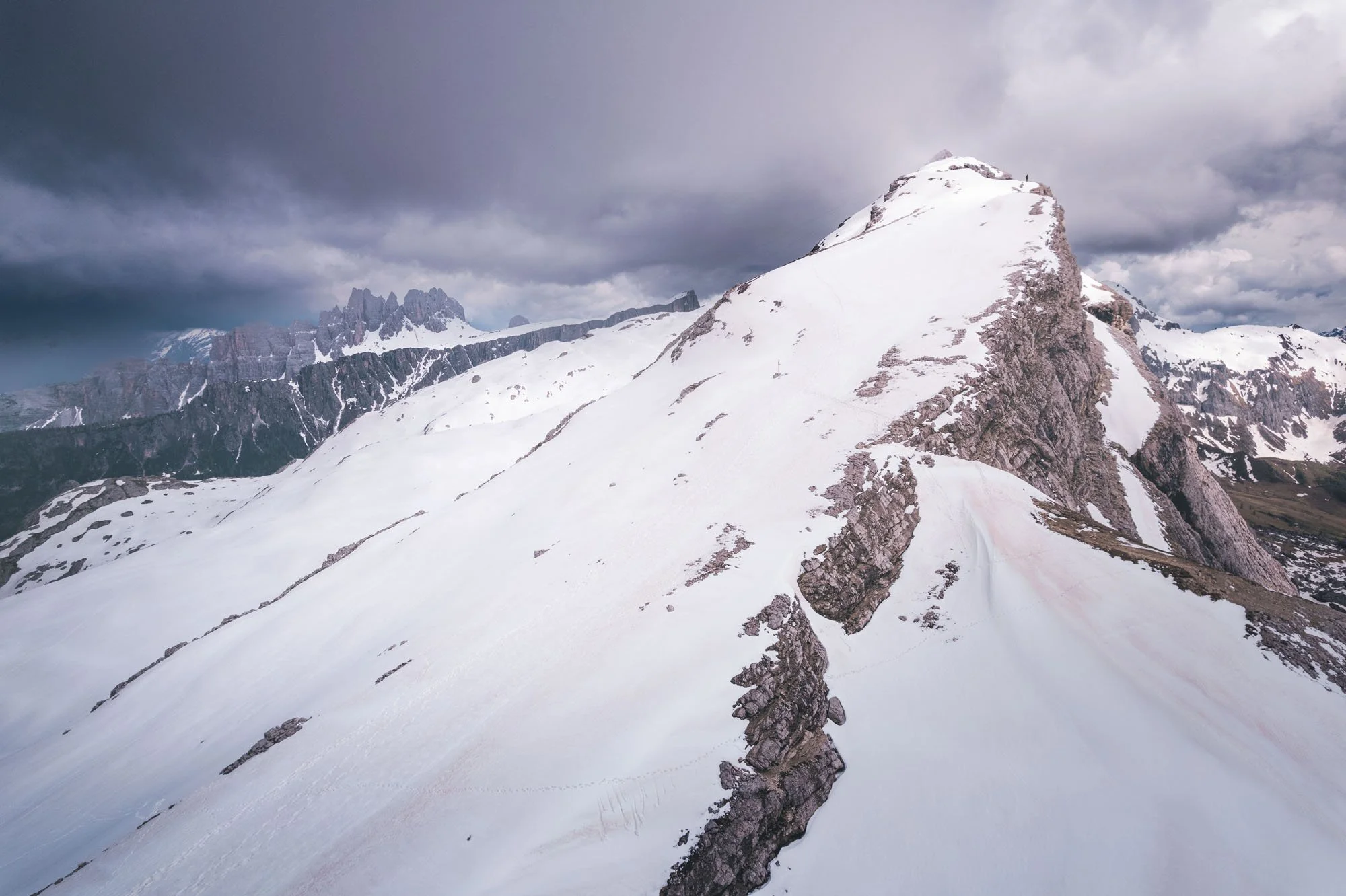
Dolomites, Italy. Standing before colossal geological scale creates a profound, humbling awe. Can you spot the tiny human?
The Neuroscience of the "Small-Self"
Why does feeling insignificant make us care more about the world?
Dr. Keltner and Dr. Piff at Berkeley investigated the "Small-Self Effect", measuring what physically happens to human beings in the presence of natural awe.
In controlled studies, participants were asked to stand beneath a grove of towering, 200-foot trees for sixty seconds. A control group stood looking at a cluster of tall, modern urban buildings.
The results were remarkable.
Those who spent just one minute looking at the towering natural grove experienced an immediate, measurable reduction in self-focused ego. Afterward, the people who felt "small" were significantly more generous, more ethical in their decisions and showed a dramatic increase in pro-environmental behaviour.
When your sense of self shrinks, you no longer view the landscape as something to be exploited; you view yourself as a humble guest in a living system.
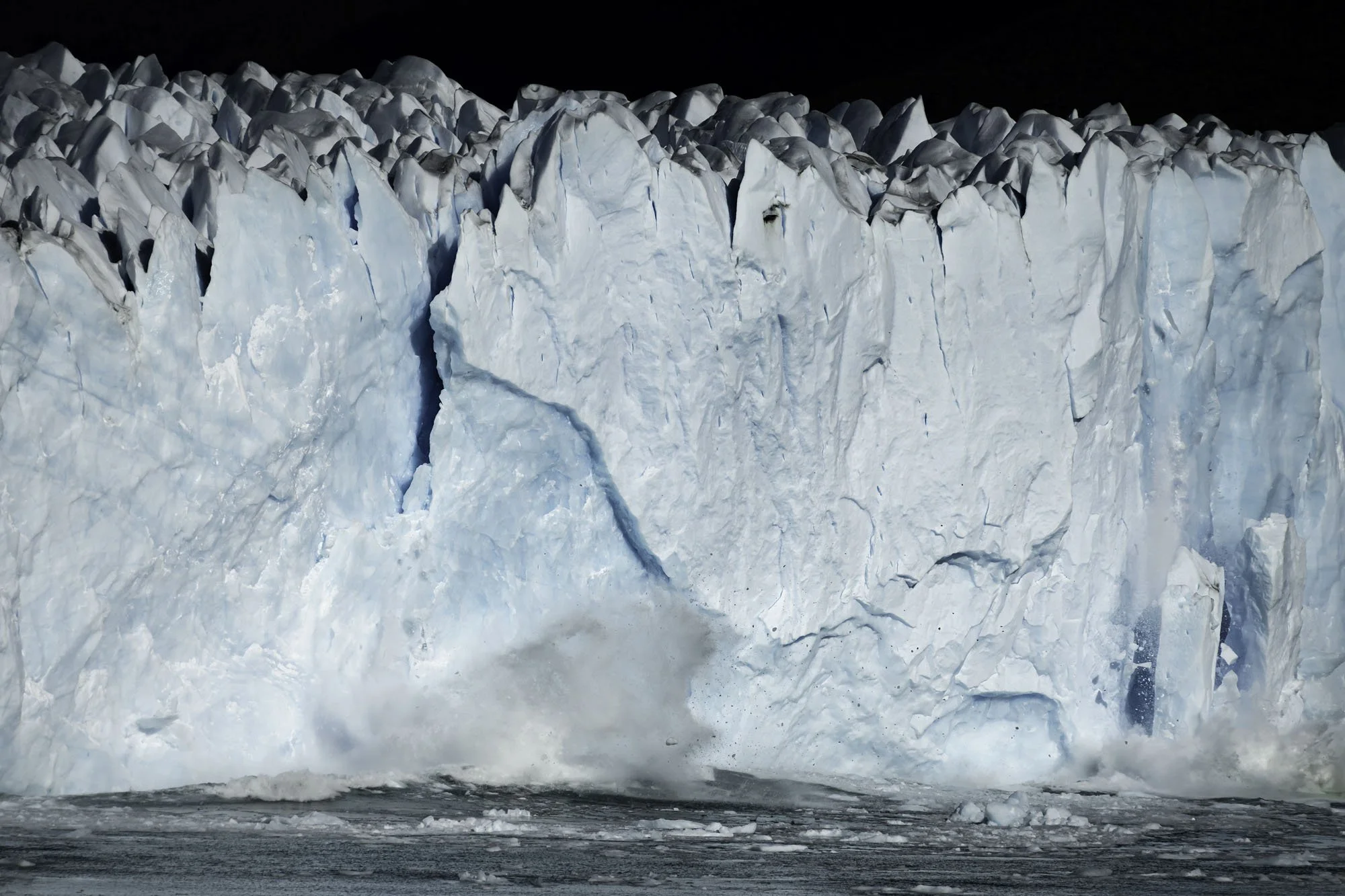
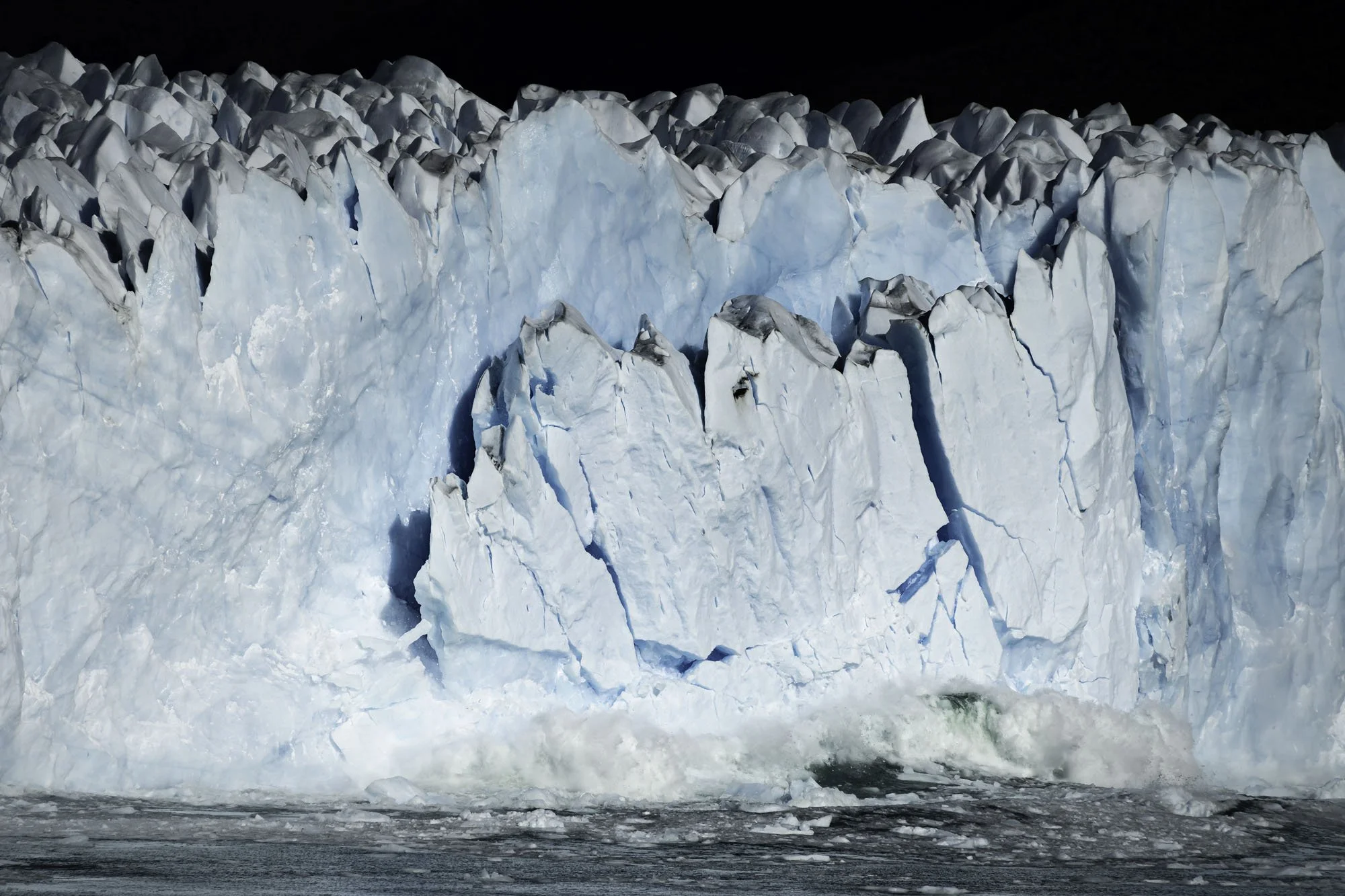
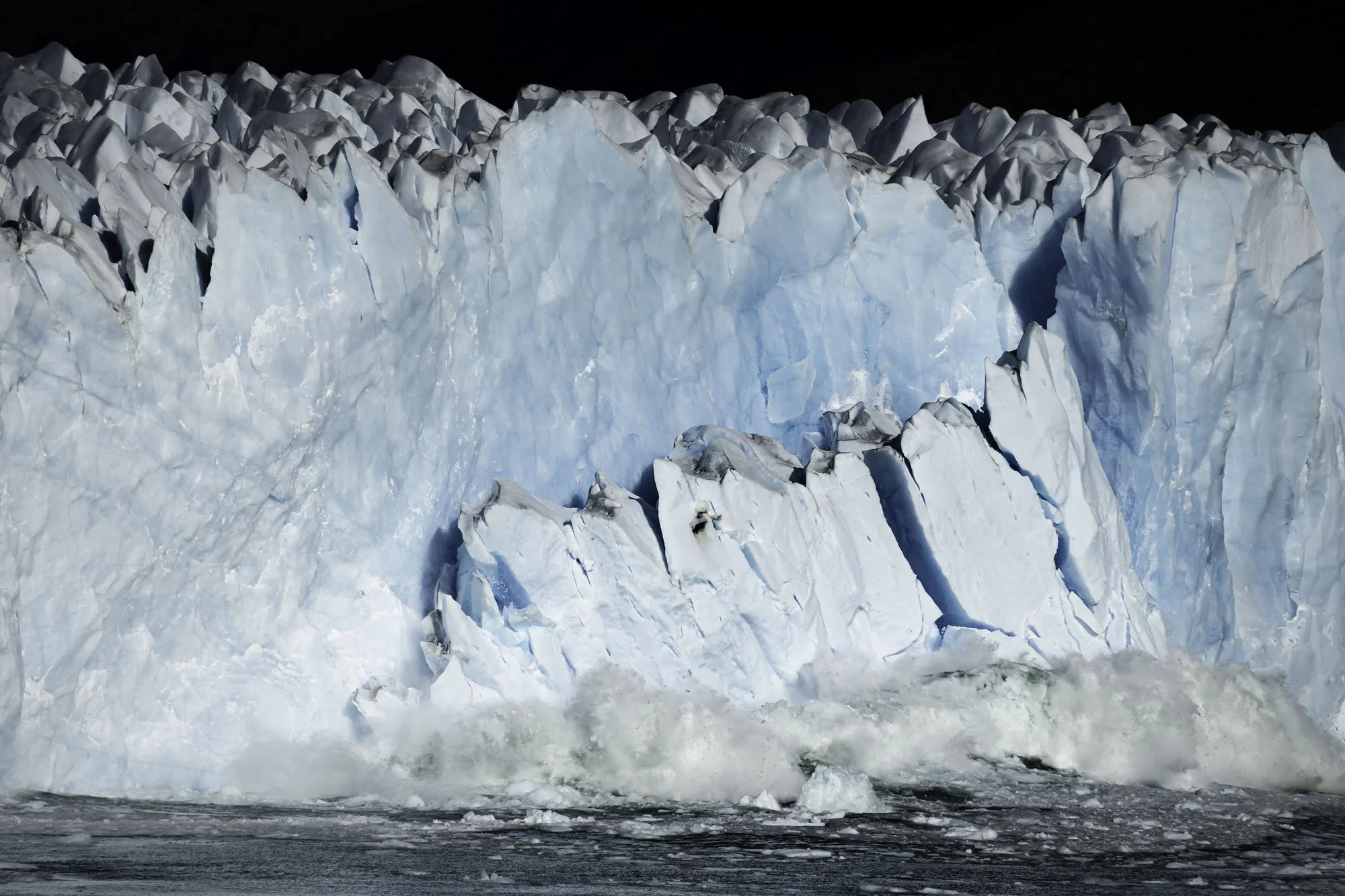
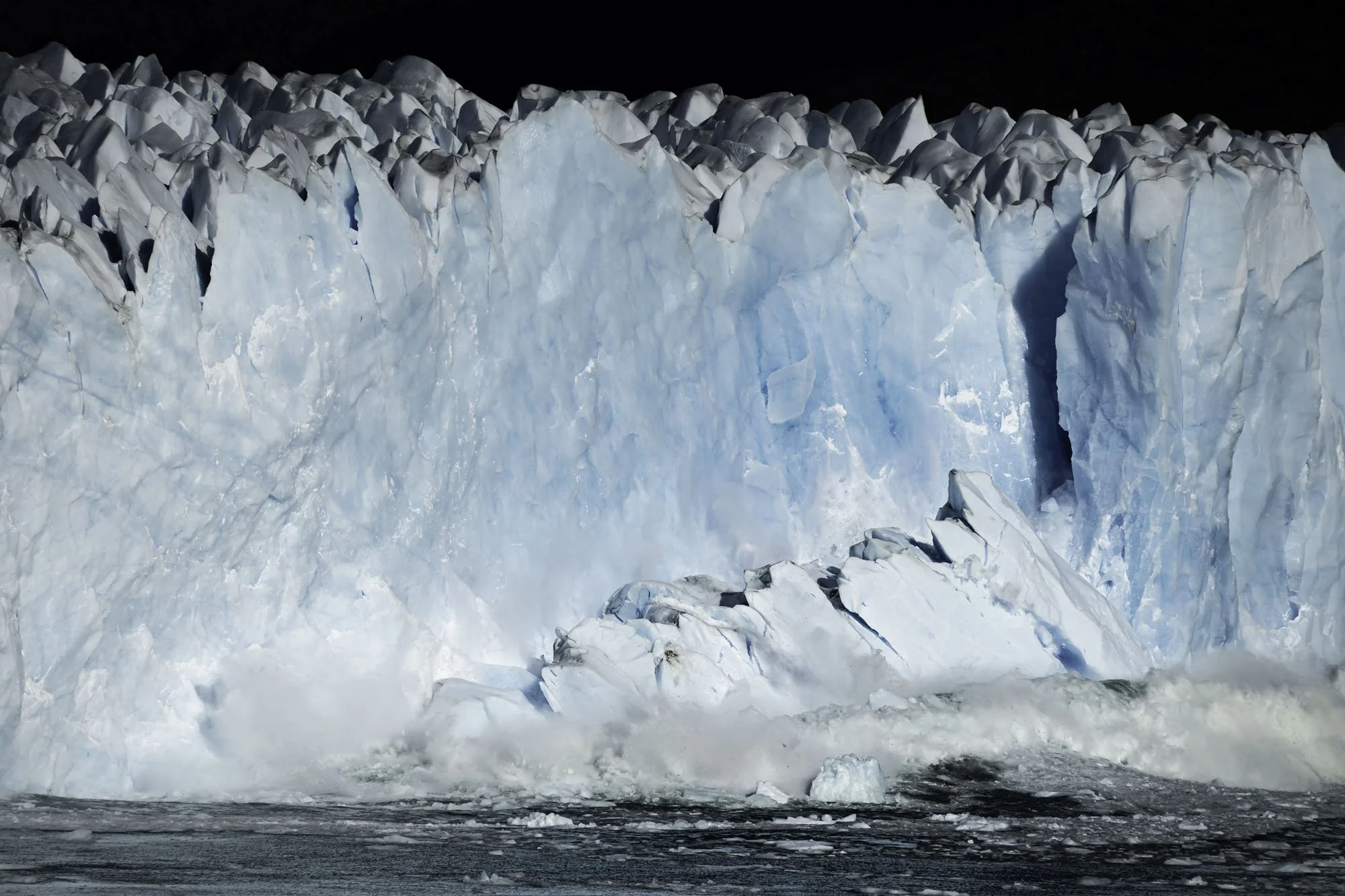
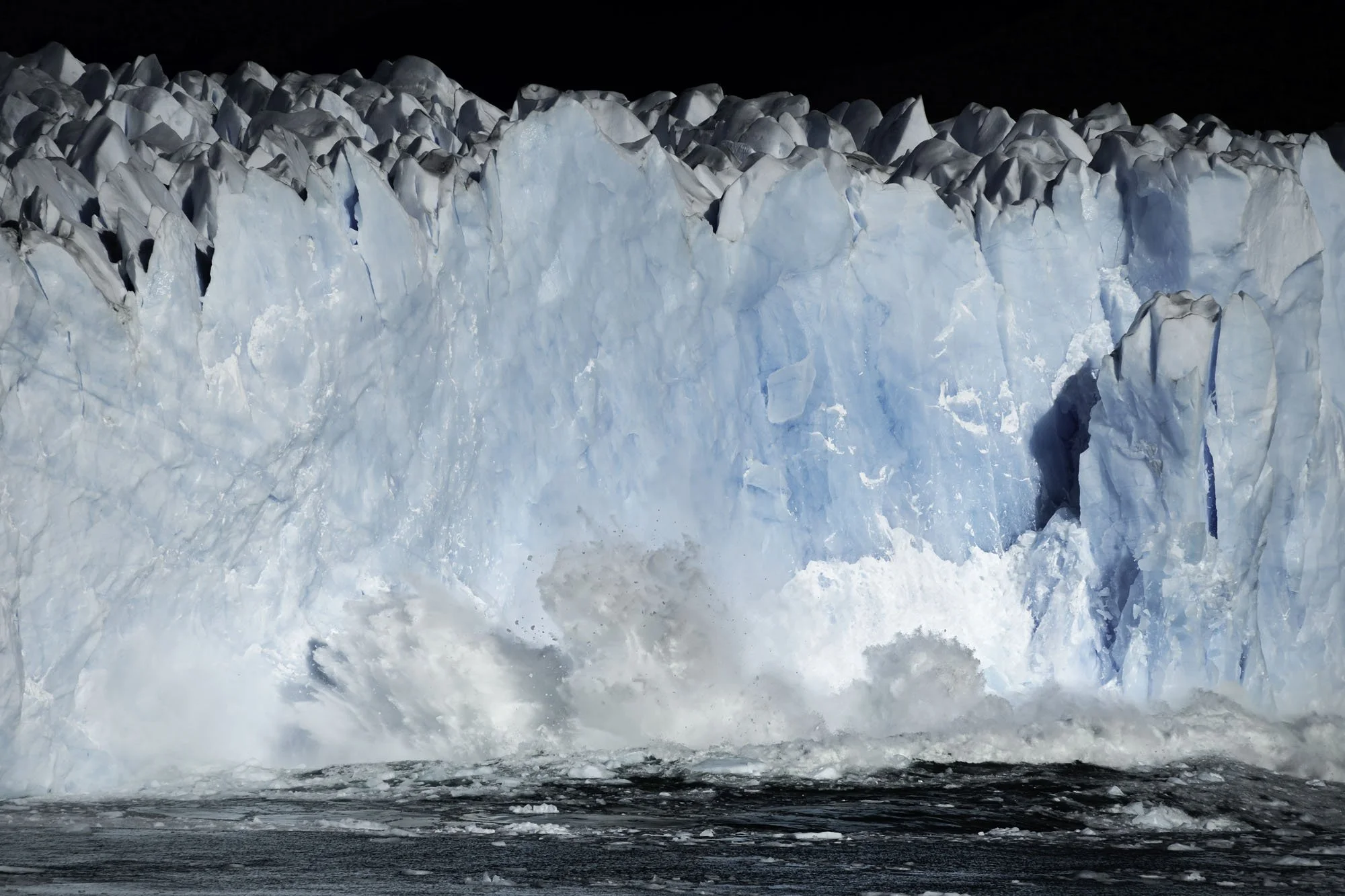
Perito Moreno Glacier, Patagonia. Documenting the violent rupture of thousands of tons of ancient ice makes real the abstract threat before us.
How Landscape Photographers Can Help:
3 Signals of an "Awe" Frame
As landscape photographers, it’s not about trying to make the landscape look pretty; it’s about communicating its gravity.
1. Include the Human
Vastness cannot be understood in a vacuum. Photographs are more likely to look flat if the brain has no reference point.
The Practice: Place something recognisable against the expanse—a solitary human figure, an overland vehicle, a small stone hut. The human element isn't there to be the "hero"; it is there to force the viewer's brain to calculate the scale.
2. Capture Deep Time
Human beings live on a chronological scale of decades. True ecological empathy requires feeling the weight of deep time.
The Practice: Find compositions that capture geological memory: folded tectonic strata, ancient glacial striations, expansive saltpans. Against a fleeting moment of human presence, you trigger reverence.
3. Don’t Tidy Up
A commercial tourism image sanitizes the earth: it removes the mud, smooths the waters, and makes the wild look comfortable.
The Practice: Show the grit of the dust storm, the punishing cold of the ice, and the deep, inky shadows the sun cannot reach. True awe requires an element of risk—a reminder that the earth is not a playground built for human comfort.
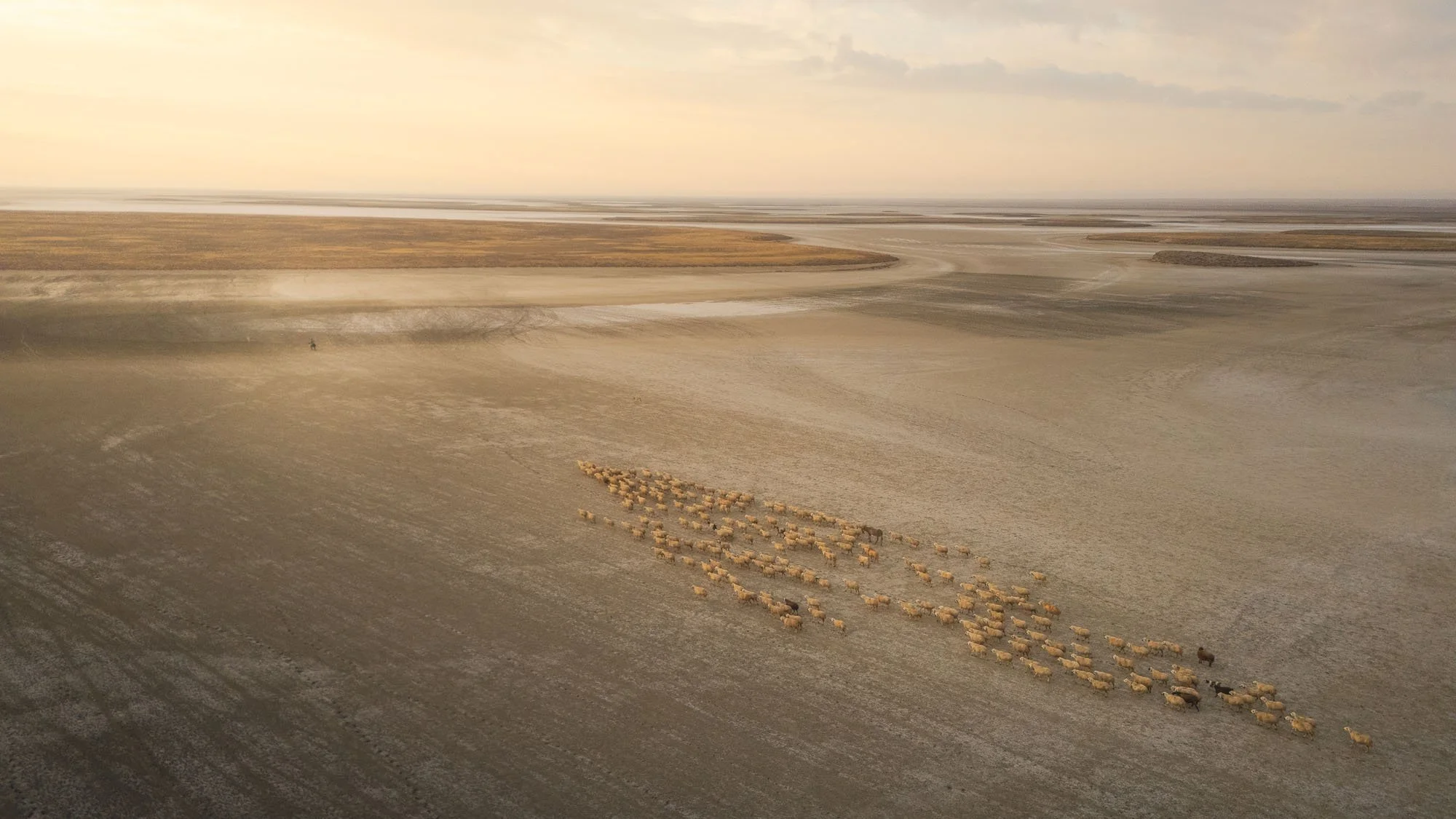
Tuz Gölü, Türkiye. Finding compositions that capture ancient geological memory forces the viewer's brain to confront human brevity against planetary permanence.
We Protect What We Revere
As delegates leave the conference halls of COP and the world returns to its daily routines, the battle to create positive change will continue.
As photographers, our job is simple: we need to step out from behind our comfortable screens, turn off the postcard formulas, and allow our egos to be crushed by the magnificent scale of the earth.
Because the moment you realise how small you truly are, you will finally understand how much there is to protect.
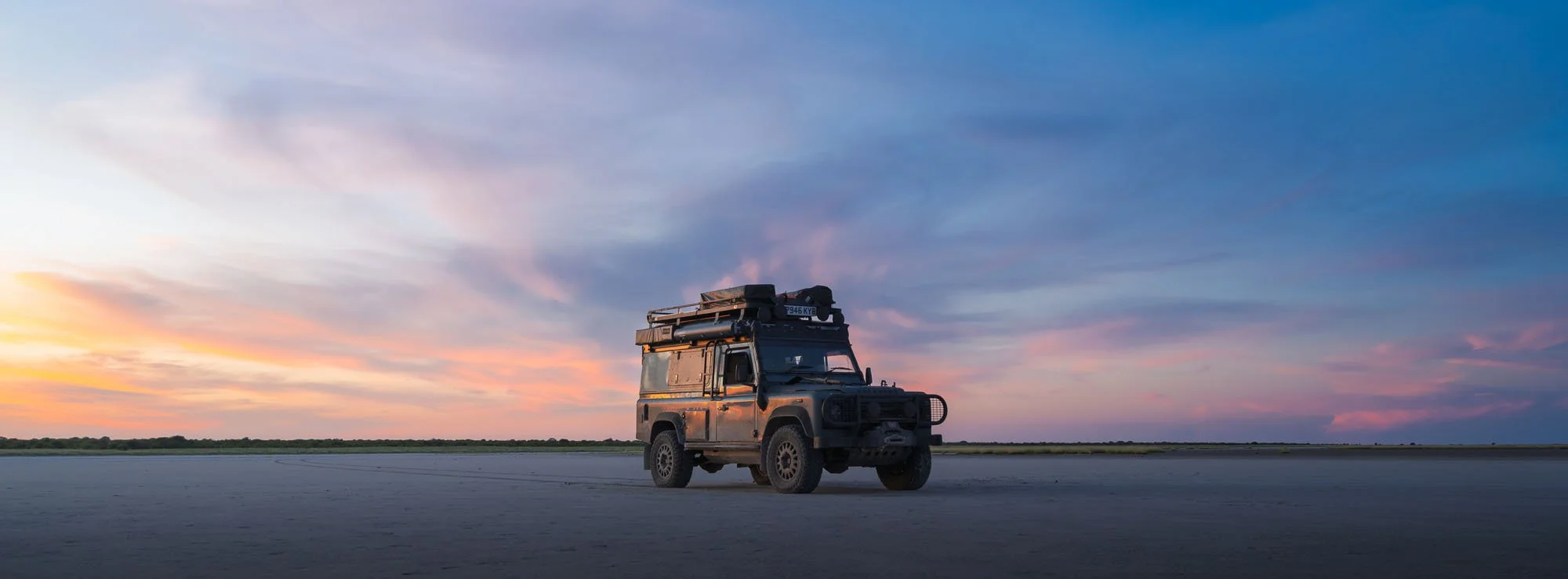
Makgadikgadi Basin, Botswana. When the human presence is humble, the photograph becomes something more reverent.