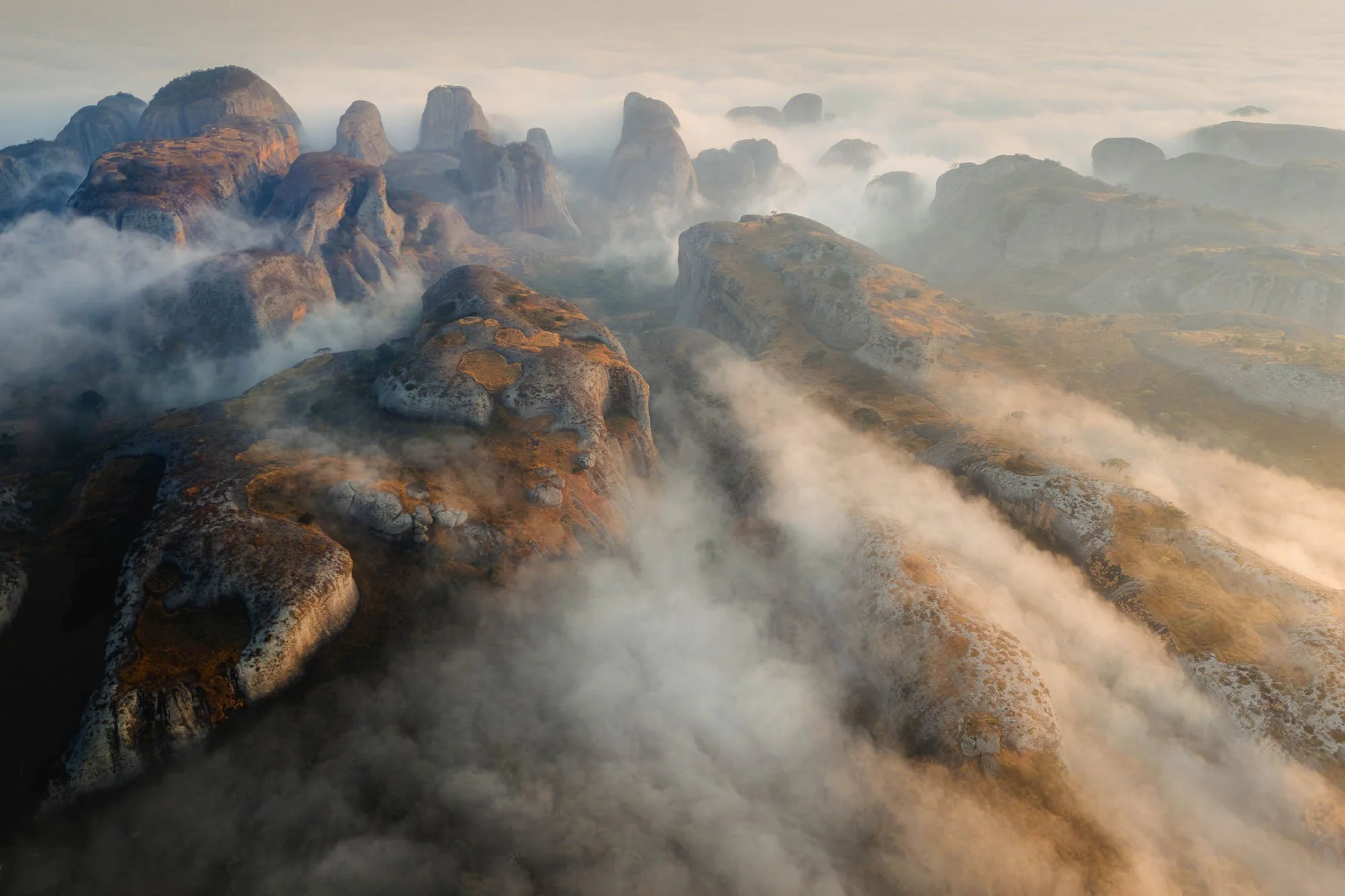
The Ocean of Stone
SIGNAL: AMBIGUITYPedras Negras, Angola
Looking down at sunrise as these colossal, volcanic-like black domes pierced through a sea of low cloud. By completely hiding the ground level, your brain has no visual baseline—it’s forced to wonder how massive these monoliths really are and where the earth begins. The cloud acts like a giant eraser, stripping out clutter. Really honoured to see this awarded Runner-Up in Africa Geographic Photographer of the Year, but what I love most is just the mystery contained within the frame. It captures Angola beautifully.
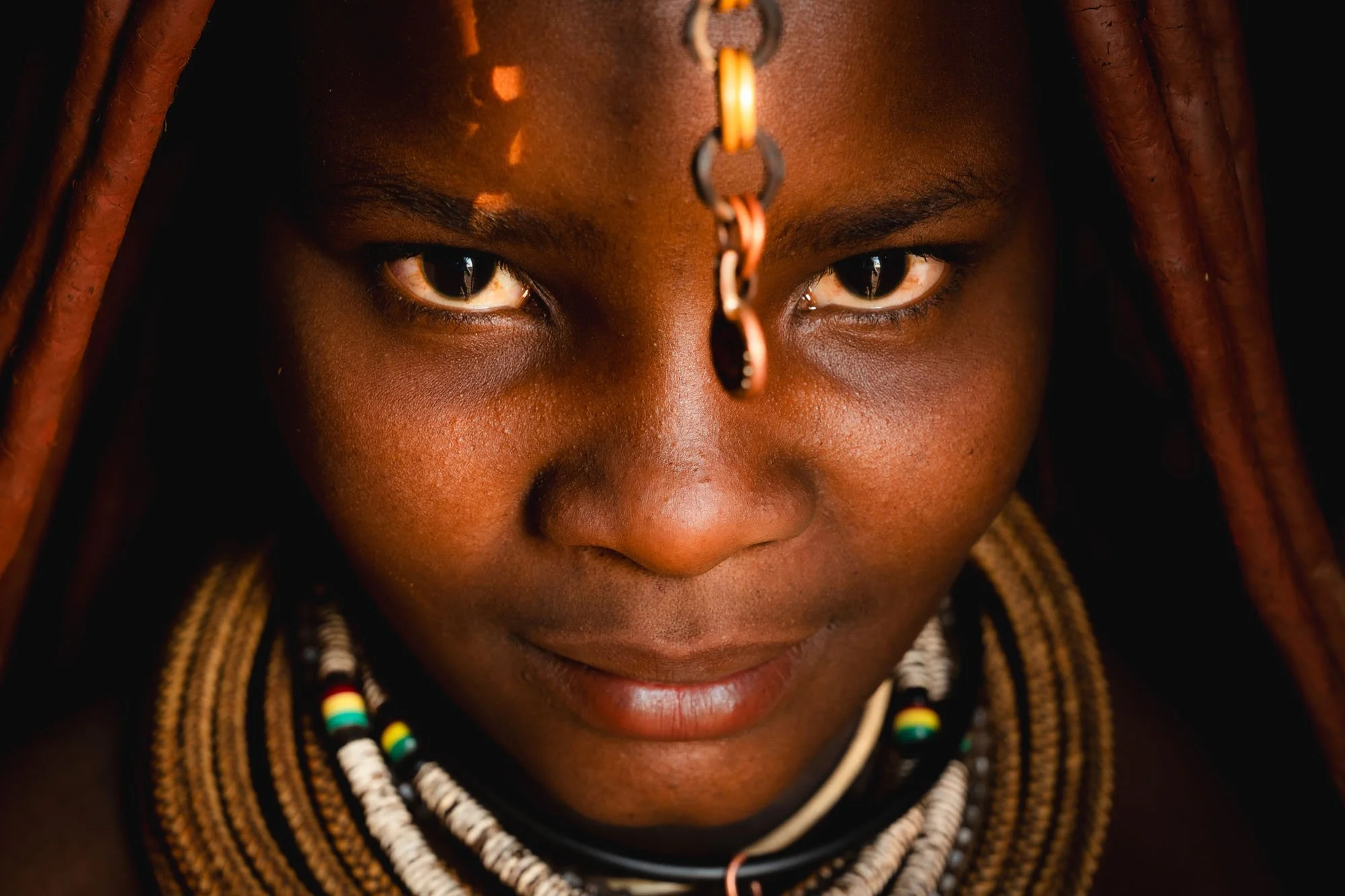
The Ochre Gaze
SIGNAL: GAZE & POPKaokoland, Namibia
We are hardwired to respond to the eyes. Here, that copper pendant hanging right between her eyebrows creates an immediate bullseye that locks your attention dead-centre. Her gaze doesn't ask for permission; it looks straight through the lens. Combined with the warm ochre tones against deep shadow, there is zero emotional distance between her and the viewer.
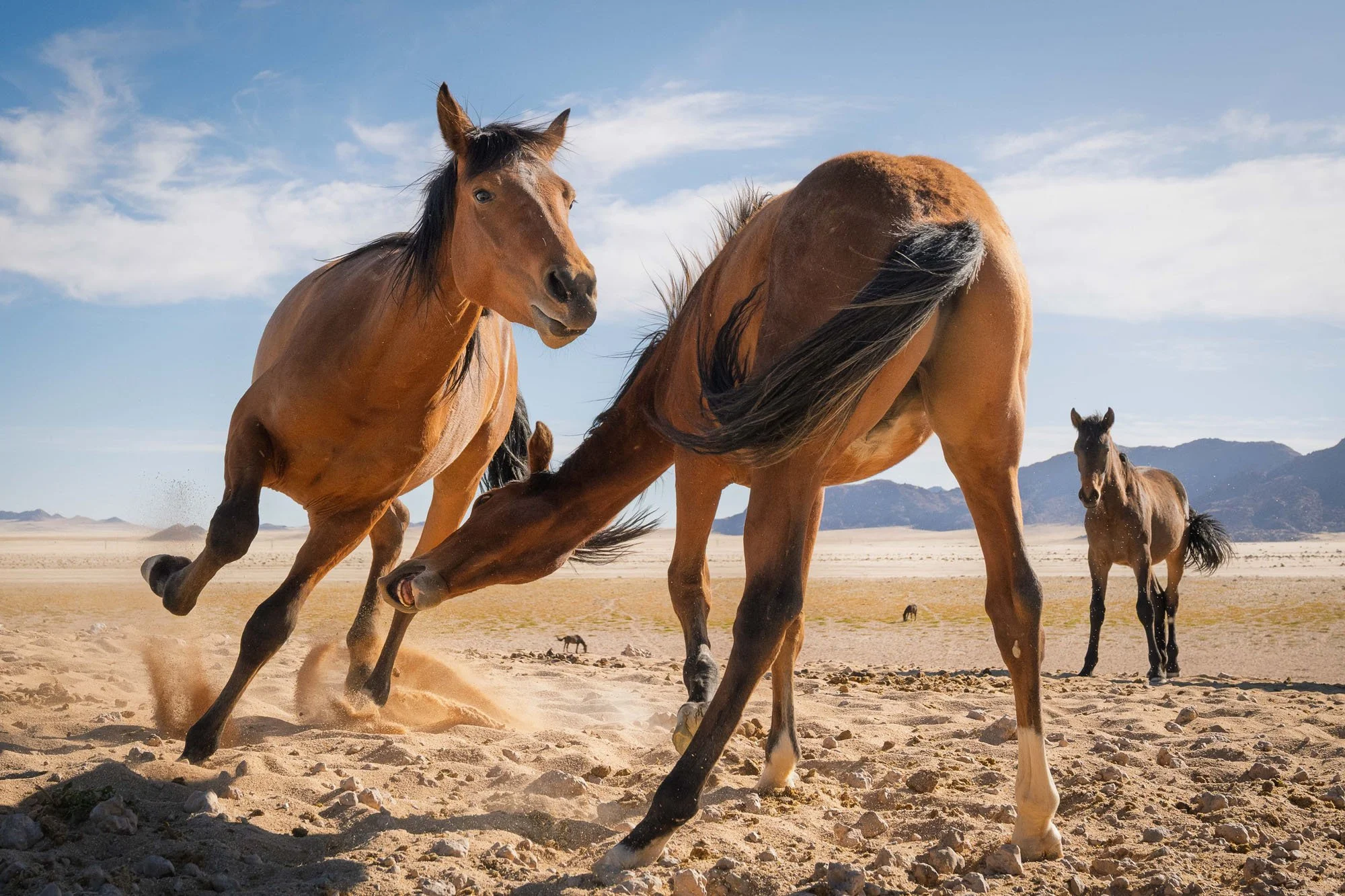
Desert Clash
SIGNAL: SHIFT & CHARGEAus, Namib Desert, Namibia
Two wild stallions settling a score in the middle of a barren desert plain. The key here is suspended action: rear legs off the ground, dust flying, and teeth bared mid-strike. Because the brain craves closure, capturing a moment mid-transition keeps the eye lingering to see how the motion finishes. You feel the strain and clash before you even think about shutter speed.
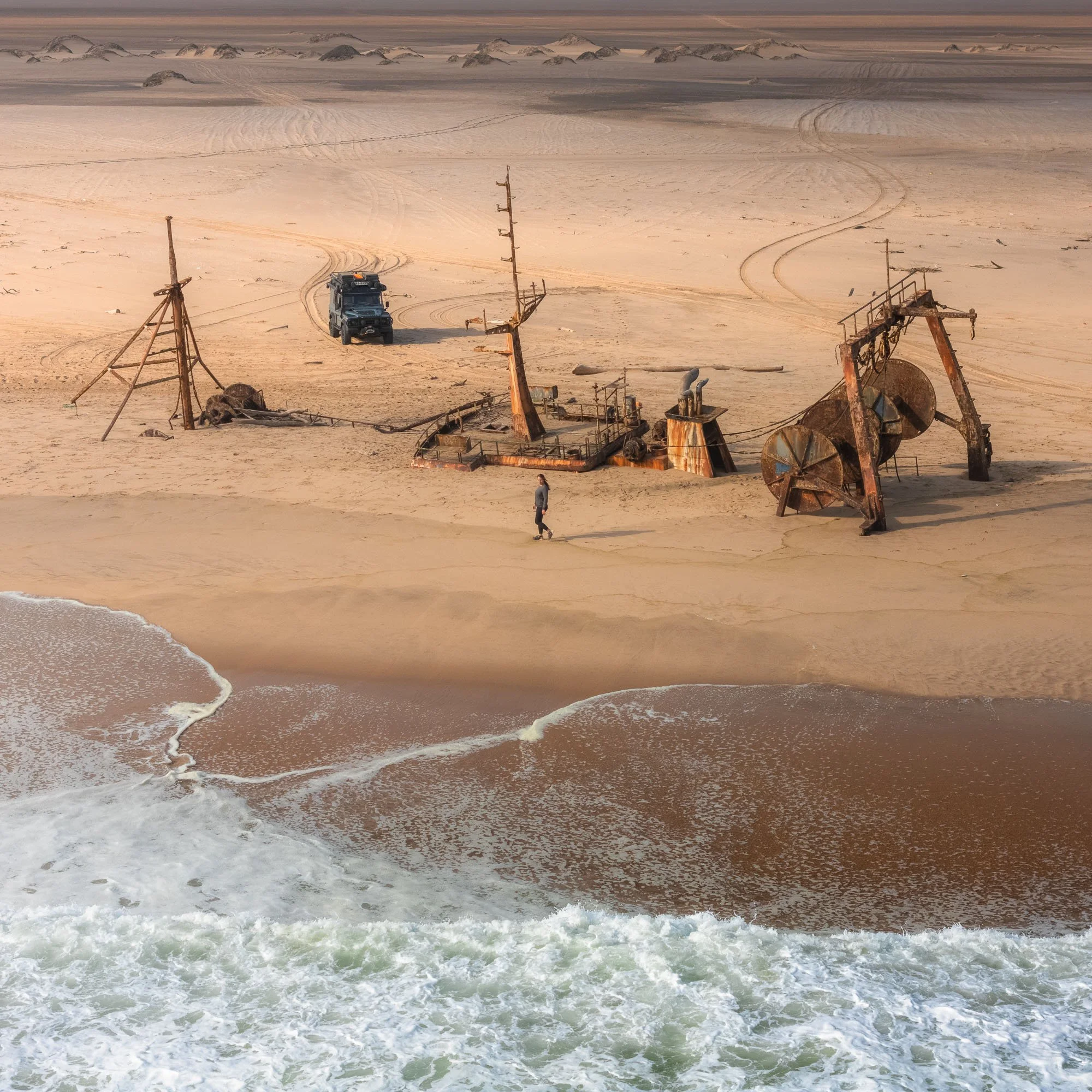
SIGNAL: ANOMALYStranded
Vanessa, Skeleton Coast, Angola
A rusted ocean trawler marooned meters deep in desert sand with Sully (our Land Rover) parked nearby. The human brain expects boats to be in water, so when it encounters one half-swallowed by sand dunes, it triggers an abrupt prediction error. It forces you to stop and work out what happened. It's a surreal clash of environments that needs no explanation.
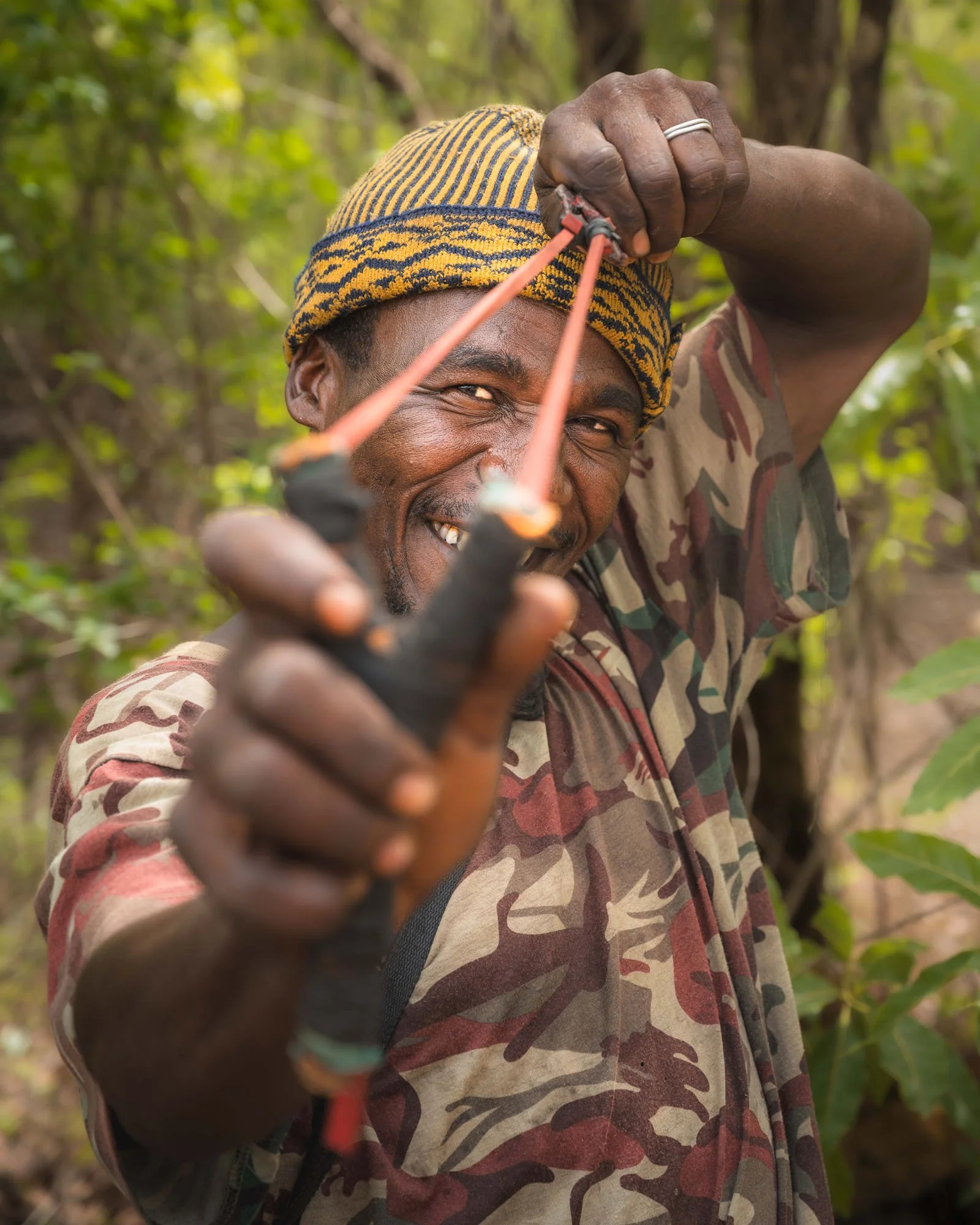
SIGNAL: CHARGEThe Sling
Guinea Highlands, Guinea
Forced perspective in action. Even though you consciously know you are looking at a two-dimensional photograph on a screen, your evolutionary threat-detection circuitry fires anyway—you want to duck.
The drawn catapult is aimed straight down the barrel of the lens, creating immediate tension. But the wide, mischievous grin instantly disarms the threat, turning raw adrenaline into shared banter.
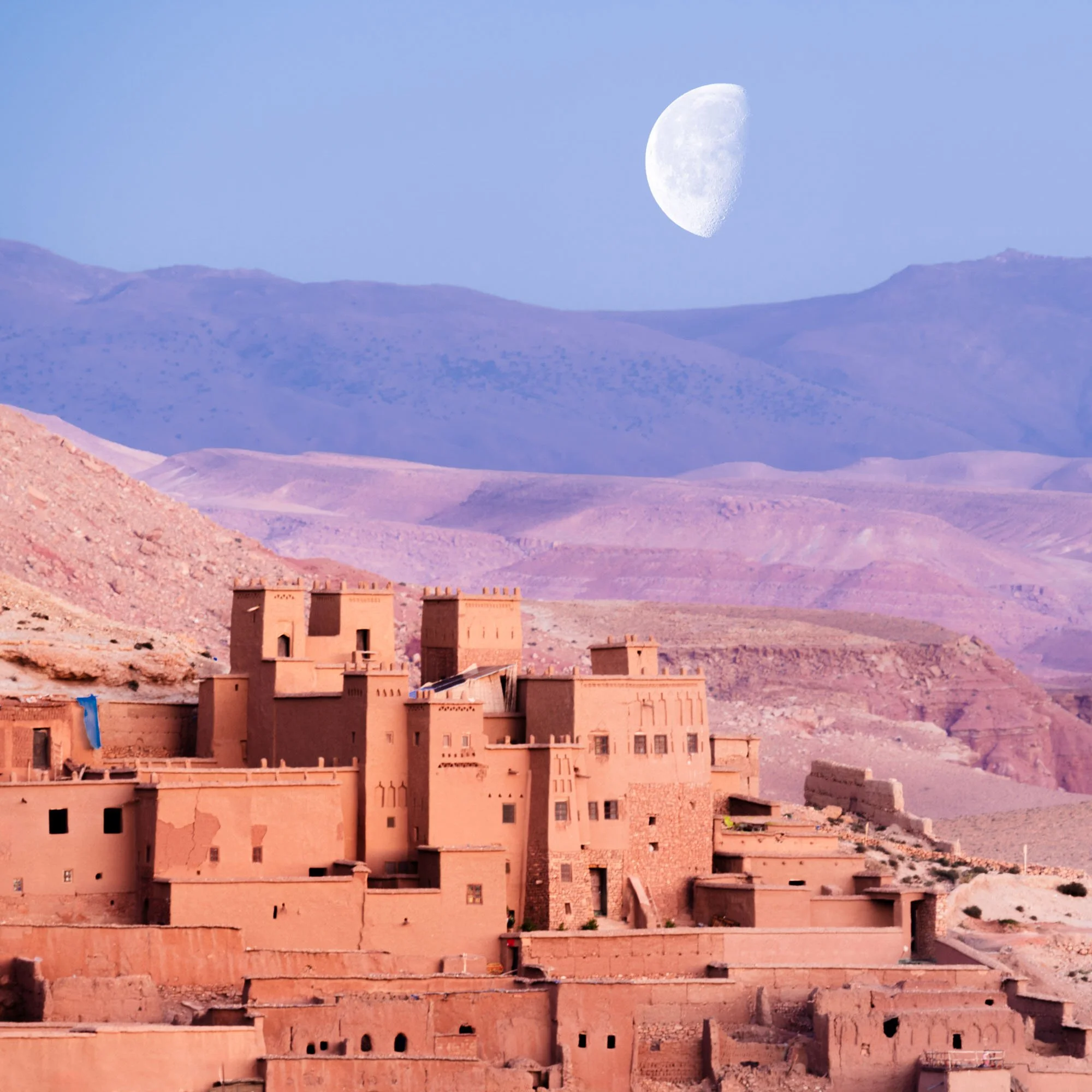
The Daytime Moon
SIGNAL: PATTERN & ANOMALYAit Benhaddou, Ouarzazate, Morocco
The repeating, blocky mud architecture of the ancient kasbah, gives your eyes a steady rhythm of stacked geometric shapes, followed by the same in the flowing mountains beyond. But what makes the frame hold together is that pale, chalky moon hanging in the lavender sky. It breaks the environmental expectation of the desert heat and balances the earthen towers below with a quiet anomaly above. It turns a famous tourist landmark into something that feels timeless.
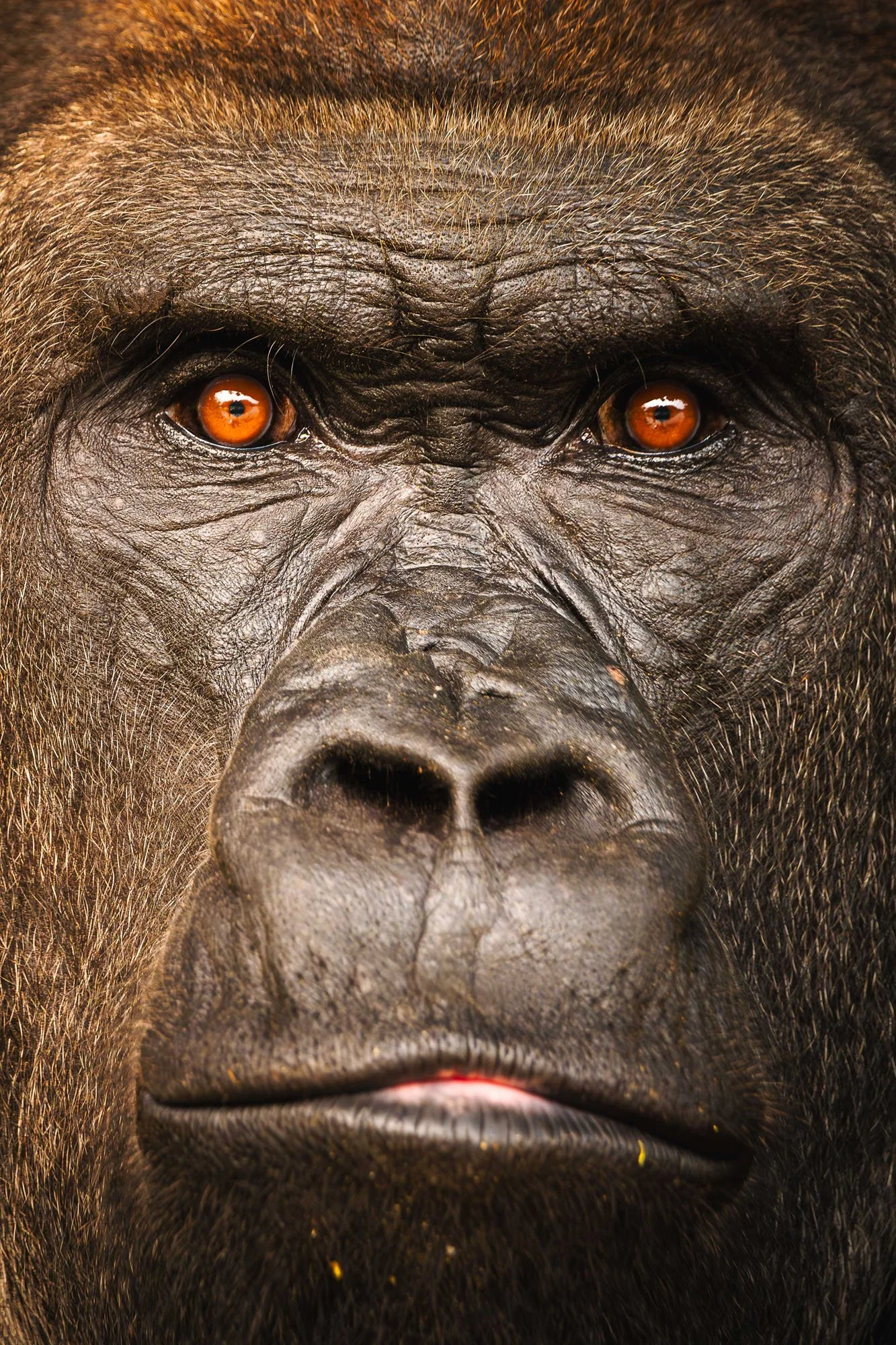
SIGNAL: GAZE & CHARGEThe Stare
Republic of the Congo
Spending time with a lowland Gorilla in the dense jungle leaves you with no words. Those piercing, amber eyes lock onto yours with weight. The sheer muscular mass of his brow and the leathered texture of his face deliver immense visceral charge.
It doesn't feel like you’re observing an animal; it feels like meeting an equal who is deciding whether you belong.
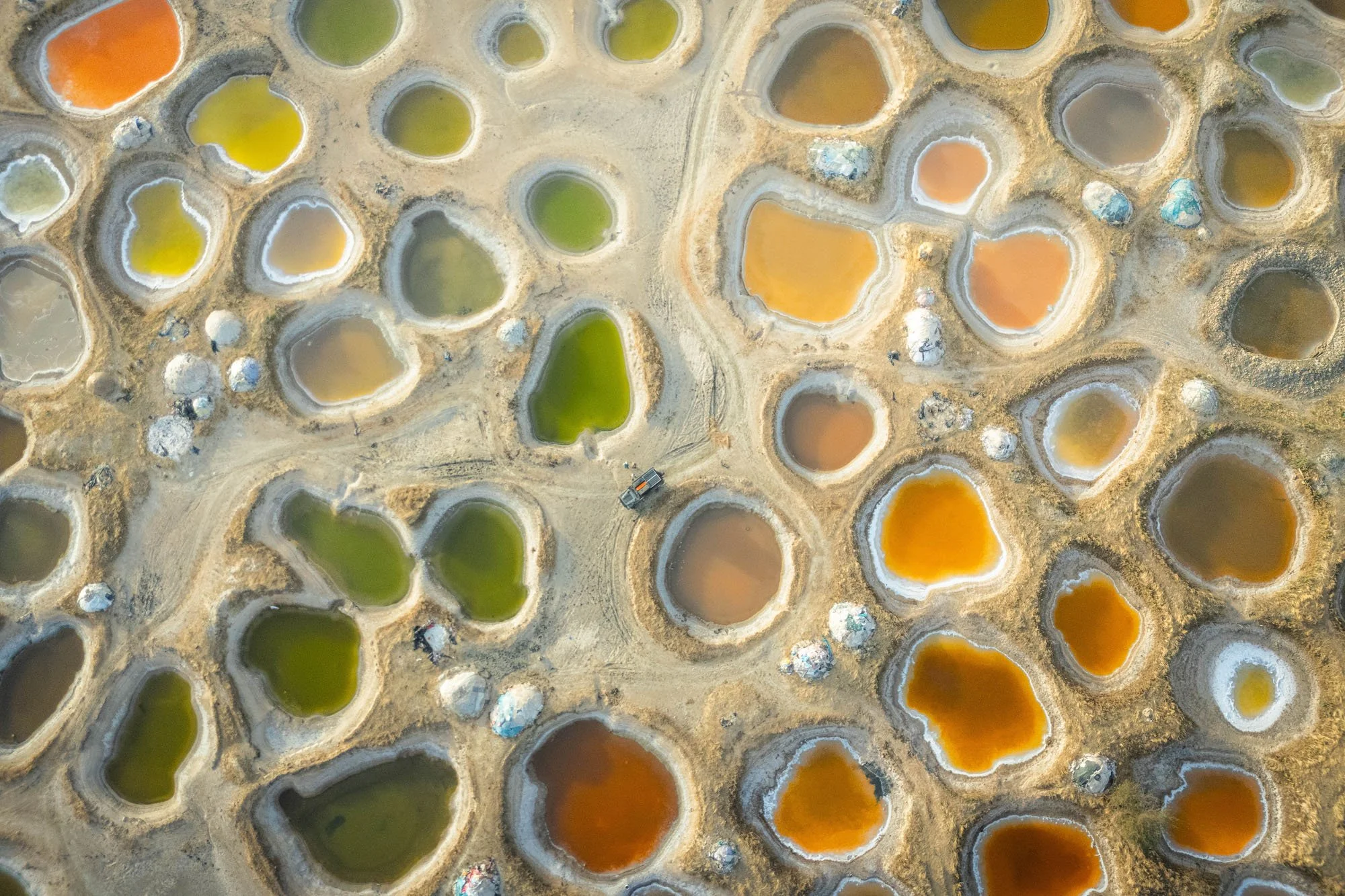
The Salt Mosaic
SIGNAL: PATTERN & POPPalmarin, Senegal
Looking straight down from above at these hand-dug salt evaporation pools, the world turns into a vibrant cellular grid. The brain naturally seeks order and repetition, but the wild color shifts—from deep orange to acid yellow and pea green—keep the eye skipping from cell to cell. Spotting Sully parked on the thin dirt track in the centre gives your mind the tiny anchor it needs to grasp the real-world scale.
The Golden Slice
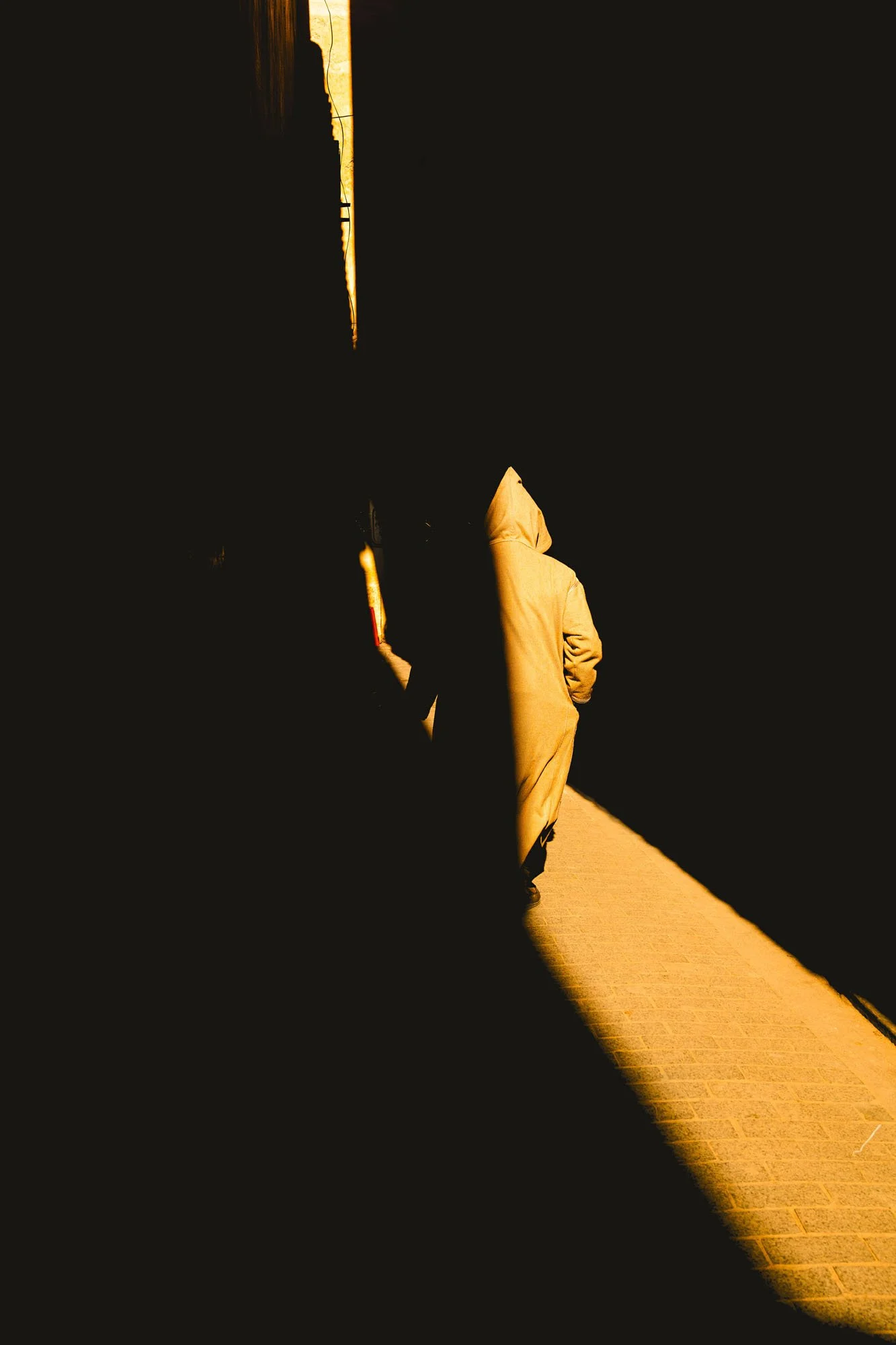
SIGNAL: POP & AMBIGUITYFez Medina, Morocco
This is a masterclass in visual subtraction. The medieval alleyways of Fez are chaotic, but by exposing strictly for the highlights, 90% of the frame is crushed into pure, velvety black.
That single, razor-sharp blade of warm sunlight isolates the hooded figure stepping into the light. Because the rest of the street is hidden, your brain is forced to imagine the sounds, smells, and shadows of the city around him.
If I can’t see you
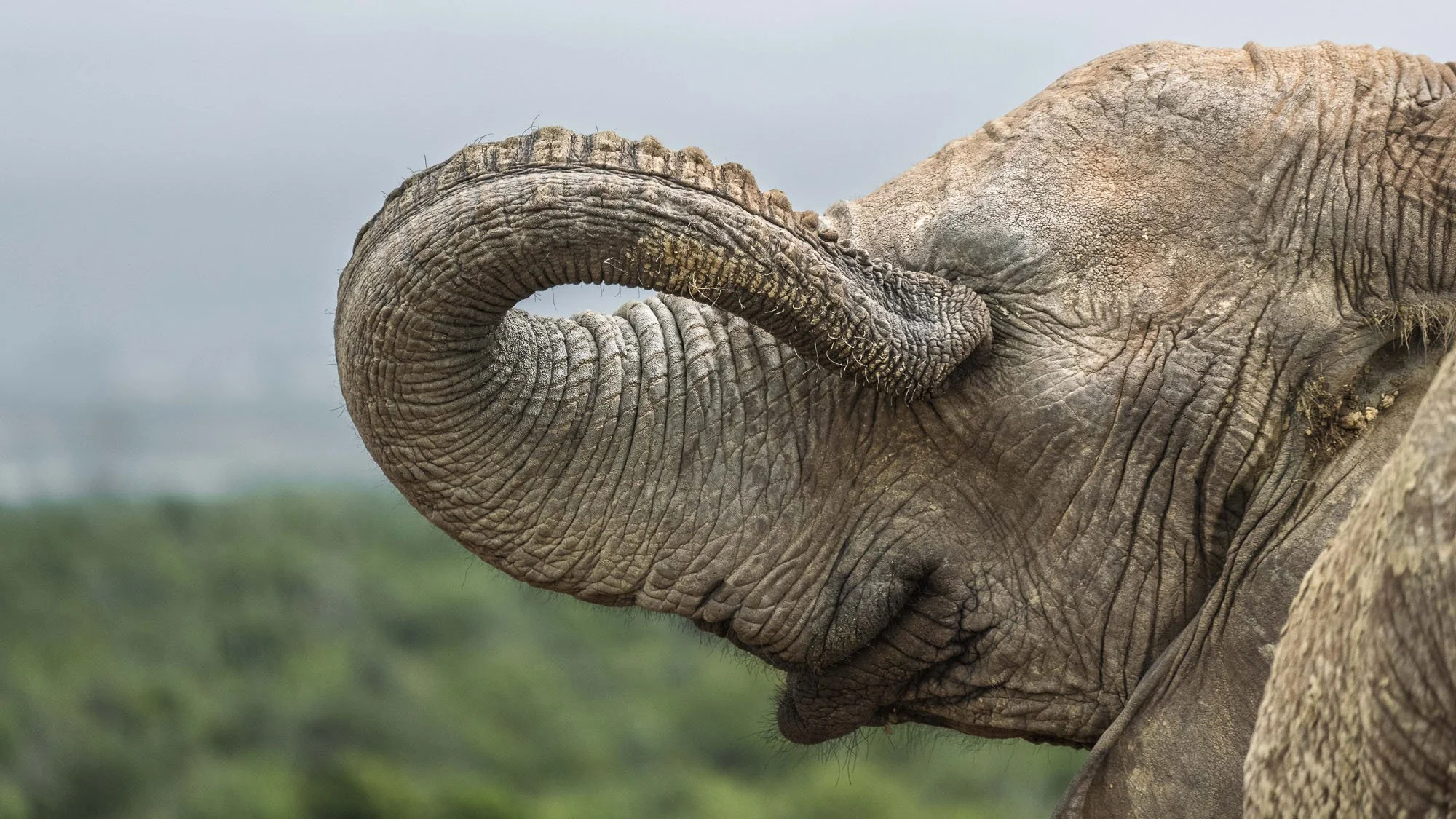
SIGNAL: CHARGE & ANOMALYAddo Elephant National Park, South Africa
Subverting expectations is the quickest way to make a photo memorable. We expect wildlife photography to be solemn, dramatic, or majestic. Instead, this young bull elephant curled his trunk directly over his eye like a cheeky toddler playing hide-and-seek. It was selected as a Finalist in the Nikon Comedy Wildlife Awards this year, because it punctures the self-importance of traditional safari portraits and makes you smile.

First Light
SIGNAL: AMBIGUITYMorocco
Sully at rest at dawn, with Mon standing quietly sipping a hot brew in the morning mist. By keeping the vehicle and figure in soft silhouette against the golden sunrise glow, it stops being a technical photo of an overland truck and becomes an open invitation to a feeling of total freedom. Really proud to see this image selected as the Cover Photo for Overland Journal’s Summer Edition this year.
The Shark’s Tooth
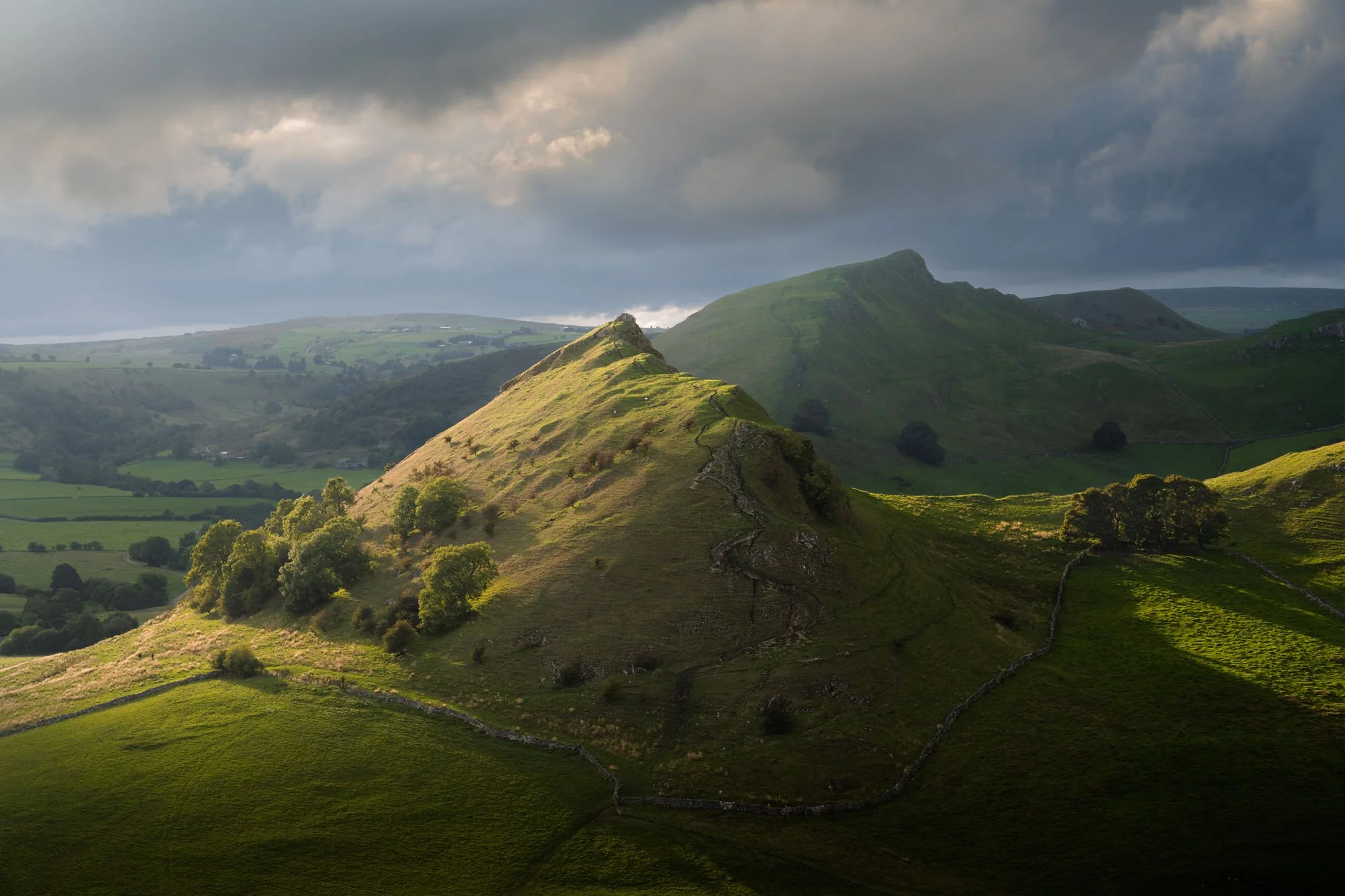
SIGNAL: POP & ANOMALYParkhouse Hill, Peak District National Park, UK
Returning home to the UK and catching ninety seconds of golden sidelight carving out the jagged, prehistoric limestone spine of Parkhouse Hill before a brutal storm rolled in. This sharp, jagged tooth has no business existing in an English valley of gentle, rolling green hills—that’s the anomaly. The sudden burst of warm luminance contrast does the rest, proving that the exact same perceptual signals govern great photography whether you're in the Congo basin or cold, wet Derbyshire.
Learn to see the Signals
Photography doesn’t begin in the camera. It begins in how your brain notices the world.
In The Signal in the Frame, I’ve codified the 7 Signals—the psychological and perceptual sparks that turn real-world scenes into unforgettable images.
Develop a stronger, more intentional way of seeing. Pick up your copy today: